Asia · Business
Philippines Sees First Fuel Price Drop in Three Weeks
Diesel and gasoline prices fall by less than one peso per liter as West Asia developments ease pressure, but LPG surges ₱40 per cylinder
KEY TAKEAWAYS
- ·Diesel prices in the Philippines dropped ₱0.60 per liter and gasoline fell ₱0.73 per liter this week, the first decline after two consecutive weeks of increases driven by West Asia conflict dynamics.
- ·Liquefied petroleum gas surged ₱3.67 per kilogram, adding ₱40.38 to the cost of an 11-kilogram household cylinder and eroding relief from lower pump prices.
- ·Transport coalition Manibela announced a three-day strike from August 10 to 12 after regulators left fare increase petitions unresolved, citing pending approval from Malacañang.
Modest Relief at the Pump
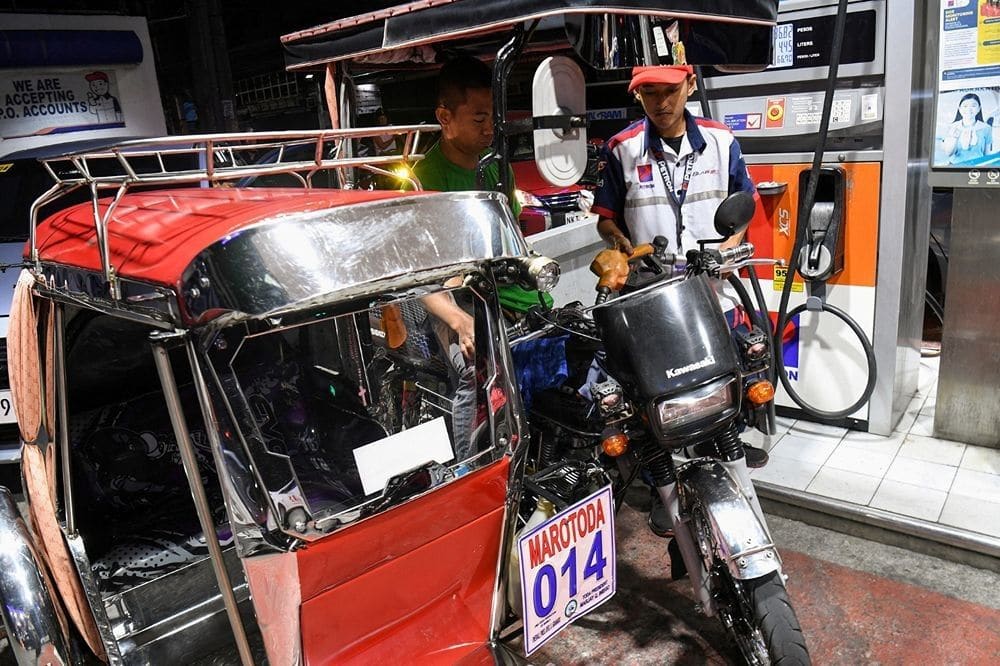
Filipino motorists will catch a break this week as fuel prices retreat from their recent climb. The Department of Energy announced rollbacks effective Monday, with diesel declining by ₱0.60 per liter, gasoline dropping ₱0.73 per liter, and kerosene posting the steepest fall at ₱2.09 per liter.
The adjustments mark the first downward movement in three weeks, following back-to-back increases that had strained household budgets and commercial operators alike. The Department of Energy attributed the reprieve to shifting dynamics related to the ongoing conflict in West Asia, though it did not elaborate on specific market mechanisms.
The rollback offers limited comfort to consumers. A typical sedan with a 50-liter tank will save roughly ₱36.50 on a full gasoline fill-up compared to last week's prices, while jeepney operators refueling with diesel will see savings of ₱30 per 50-liter tank. These figures remain modest against the cumulative increases of the preceding fortnight.
LPG Climbs Sharply
While pump prices eased, liquefied petroleum gas moved in the opposite direction. LPG rose ₱3.67 per kilogram, translating to a ₱40.38 increase for the standard 11-kilogram cylinder used in most Filipino households. The divergence underscores the separate supply chains and pricing dynamics governing different fuel products.
For low-income families that rely on LPG for daily cooking, the jump erodes much of the relief provided by cheaper transport fuels. A household using one cylinder per month will now pay over ₱40 more, a non-trivial sum in a country where the minimum wage in Metro Manila stands at ₱610 per day.
Transport Groups Press for Fare Adjustments
The two-week spike in fuel costs prior to this week's rollback has intensified calls from transport operators for higher passenger fares. On Monday, the Land Transportation Franchising and Regulatory Board convened with representatives from seven transport groups, including those representing jeepneys, UV Express vans, taxis, and motorcycle taxis.
As of Monday afternoon, the regulatory board had not disclosed the outcome of the meeting. Mar Valbuena, chairperson of transport coalition Manibela, told reporters after the session that the group's request for a provisional fare increase remained unresolved, with the decision resting with Malacañang.
Manibela has announced a three-day transport strike scheduled for August 10 to 12, a move that could disrupt commutes across Metro Manila and surrounding provinces. The strike threat underscores the pressure facing operators who operate on thin margins and cannot quickly absorb cost fluctuations.
Regional Fuel Volatility
The Philippines imports nearly all of its refined petroleum products, making pump prices highly sensitive to global crude movements and regional refining margins. West Asia, which accounts for a significant share of Asia-Pacific crude supply, has seen intermittent supply concerns tied to geopolitical tensions.
Philippine fuel pricing follows a deregulated, market-based system in which oil companies adjust retail prices weekly based on international benchmarks and foreign exchange rates. While this mechanism allows swift pass-through of global cost changes, it also exposes consumers to volatility beyond their control.
The Department of Energy has limited tools to cushion price swings. Fuel subsidies and price caps have been deployed sparingly in the past, often drawing criticism for market distortions and fiscal strain. The current administration has signaled reluctance to intervene directly, preferring targeted social transfers and transport assistance programs.
What Comes Next
The modest rollback is unlikely to settle the fare debate. Transport groups argue that cumulative increases over recent months have eroded their real income, even if any single week's movement appears small. Jeepney drivers, in particular, operate under a fare matrix that has not kept pace with inflation in fuel and vehicle maintenance costs.
Meanwhile, broader inflation pressures loom. The Bangko Sentral ng Pilipinas has flagged upside risks to its inflation forecast, citing volatile food and energy prices. July inflation data, expected later this week, will offer a clearer picture of whether fuel cost pressures are feeding into the wider economy.
For now, motorists and commuters will take what relief they can get, even if the savings are measured in tens of pesos rather than hundreds. The next round of price adjustments, due the following Monday, will depend on crude futures and currency movements that remain beyond Manila's control.
RELATED STORIES
Filipino Workers Abroad Send Home $3.6 Billion in July
Mariel D. Santos · 3 min

PhilWeb Trading Halted After P4.2 Billion JKS Tech Bet
Tran Quoc Bao · 3 min

Megaworld REIT Secures Approval for P27 Billion Asset Infusion
Priyanka V. Rao · 4 min
Five ASEAN Members Back Regional Oil Stockpile as Study Nears Completion
Tran Quoc Bao · 3 min
Spot something wrong? Email editor@briefasia.com. We log every correction publicly.