Asia · Politics
Philippines Drops Rice Price Cap as Market Rates Hold Steady
Agriculture department shelves extension of import controls, prioritizes buffer stock build-up ahead of prolonged El Niño forecast through early 2027
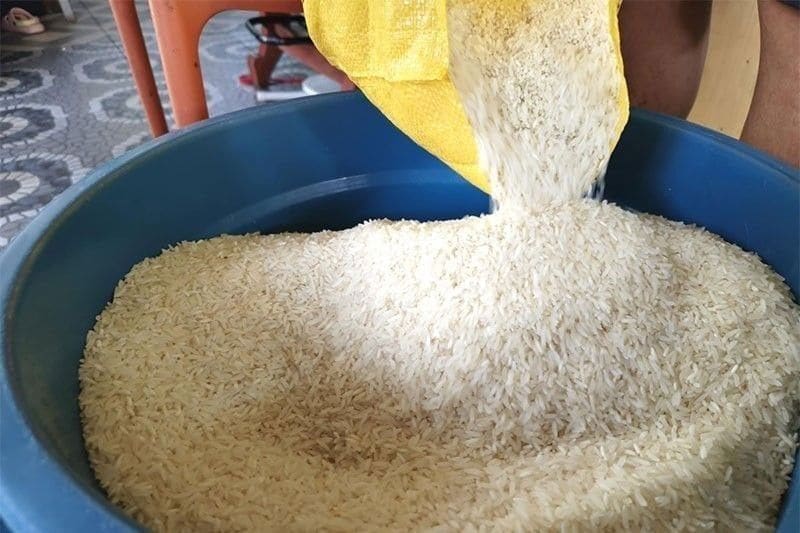
KEY TAKEAWAYS
- ·The Philippines canceled a proposed extension of its P50-per-kilo rice price cap after market rates stabilized at P47 to P50, with imports reaching 3.3 million metric tons by early August 2026.
- ·Manila ruled out any import ban to maintain buffer stocks ahead of an El Niño forecast lasting through April 2027, rejecting farmer demands for a 30 percent safeguard duty.
- ·The National Food Authority plans to purchase 500,000 metric tons of palay from farmers in September at P21 to P27 per kilo while clearing warehouse space for the harvest season.
Retreat from Price Controls
The Philippines has abandoned plans to extend price caps on imported rice after market rates settled comfortably below the ceiling, signaling confidence in supply conditions despite looming climate risks. Agriculture Secretary Francisco Tiu Laurel Jr. confirmed that imported five percent broken rice is trading at P47 to P50 per kilogram in Metro Manila, making additional intervention unnecessary.
The decision reverses an earlier proposal to extend Executive Order 118 for another two months. That order, which set a P50-per-kilo cap on imported rice, had been endorsed by the National Price Coordinating Council to President Ferdinand Marcos Jr. last month. According to the Department of Agriculture, the measure contributed to moderating food inflation during its initial period.
Tiu Laurel made the announcement during a market inspection in Las Piñas City, noting that extraordinary measures are no longer justified given current price stability. The agency's latest monitoring as of August 3 showed imported well-milled rice at P50 per kilo and premium rice at P48 per kilo across Metro Manila markets.
Import Flow Continues
Manila also ruled out any ban on rice imports, prioritizing supply security over protectionist demands from farmer organizations. The government expects an El Niño weather pattern to persist through April 2027, requiring substantial buffer stocks during the lean months from December onward.
The Philippines has already imported 3.3 million metric tons of rice as of early August, according to Tiu Laurel, putting the country on pace to exceed the 3.39 million MT brought in during 2025. The continued inflow has drawn criticism from farmer groups seeking a 30 percent safeguard duty, arguing that import surges undermine domestic growers.
The agriculture chief acknowledged the tension, stating he would meet with local rice millers to discuss fair pricing structures. He suggested that domestically produced rice should retail around P47 to P50 per kilo, a range that balances farmer compensation, miller sustainability, and consumer affordability.
Government Procurement Ramps Up
The National Food Authority is preparing to absorb more palay (unhusked rice) from farmers during the September harvest season. The agency aims to purchase approximately 500,000 MT at rates of P21 per kilo for wet palay and P25 to P27 per kilo for dry palay, according to Tiu Laurel.
Unlike the previous year when warehouses operated at full capacity, the NFA has been instructed to clear storage space ahead of the harvest. The move is designed to provide farmers with a ready buyer while building strategic reserves for the anticipated dry spell.
Tiu Laurel added that the DA has requested rice importers voluntarily halt shipments of five percent broken rice to support local producers. The non-binding appeal reflects the government's balancing act between ensuring affordable consumer prices and protecting the domestic rice industry from market displacement.
Regional Supply Pressures
The Philippines remains Southeast Asia's largest rice importer, a position shaped by recurring weather disruptions and structural productivity gaps. El Niño events typically reduce yields across irrigated and rainfed areas, tightening domestic supply and driving import demand.
The decision to keep import channels open contrasts with periodic calls for trade restrictions, which have surfaced repeatedly amid price volatility and farmer protests. The government's prioritization of buffer stocks underscores concerns that supply shortfalls during the dry season could trigger inflationary pressures more damaging than current import competition.
Manila's approach also reflects limited fiscal appetite for sustained price interventions. The earlier cap required monitoring and enforcement resources, and market rates gravitating toward the ceiling suggest traders adjusted quickly to the regulatory environment.
Market Dynamics Ahead
With the harvest season approaching and government procurement targets set, the domestic rice market faces a test of whether voluntary import restraint and NFA buying can stabilize prices without formal controls. Farmer groups remain skeptical, pointing to import volumes that have consistently outpaced domestic production growth.
The agriculture department's reliance on moral suasion with importers, rather than tariffs or quotas, leaves market outcomes heavily dependent on private-sector cooperation and global price trends. Rice exporters in Vietnam and Thailand, the Philippines' main suppliers, are watching their own harvest forecasts as regional weather patterns evolve.
For now, Manila is betting that open markets and strategic reserves can navigate the dual challenge of affordability and farmer income, a calculus that will face scrutiny as the dry months approach and domestic yields come under pressure.
RELATED STORIES
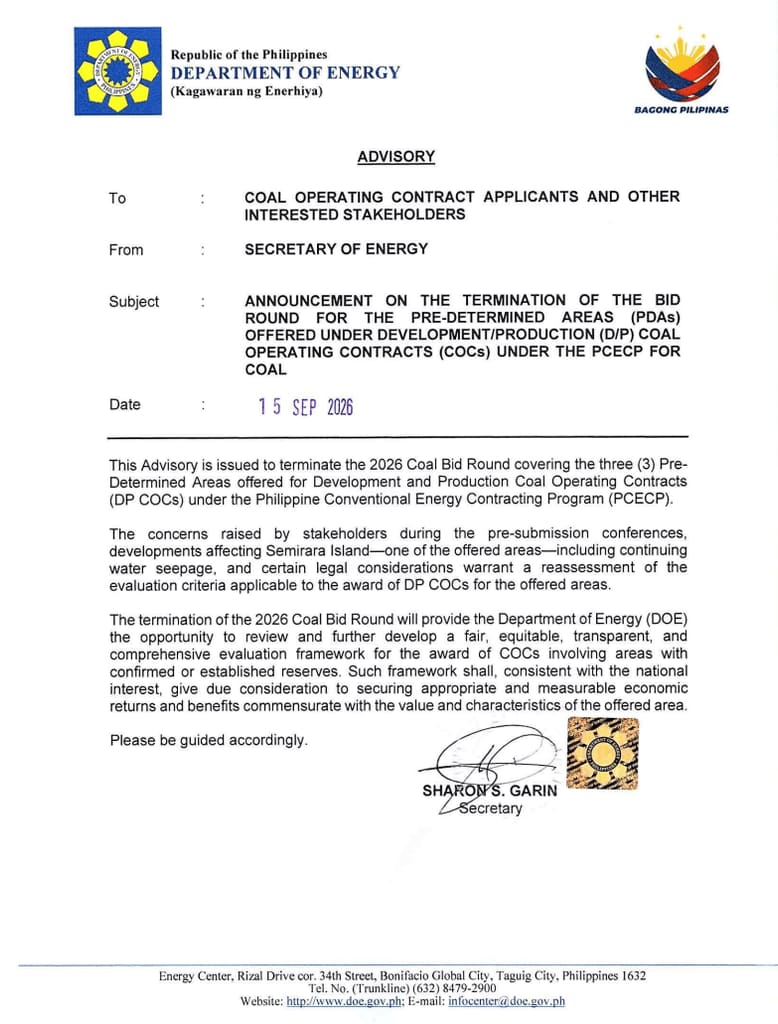
Philippines Cancels Coal Tender for Key Mining Site Months Before Operator Handover
Mariel D. Santos · 4 min

Filipino Workers Abroad Send Home $3.6 Billion in July
Mariel D. Santos · 3 min

Five ASEAN Members Back Regional Oil Stockpile as Study Nears Completion
Tran Quoc Bao · 3 min

Southeast Asian Firms Overlook Digital Pact Worth USD 2 Trillion
Lim Hui Ying · 4 min
Spot something wrong? Email editor@briefasia.com. We log every correction publicly.