Finance · Banking
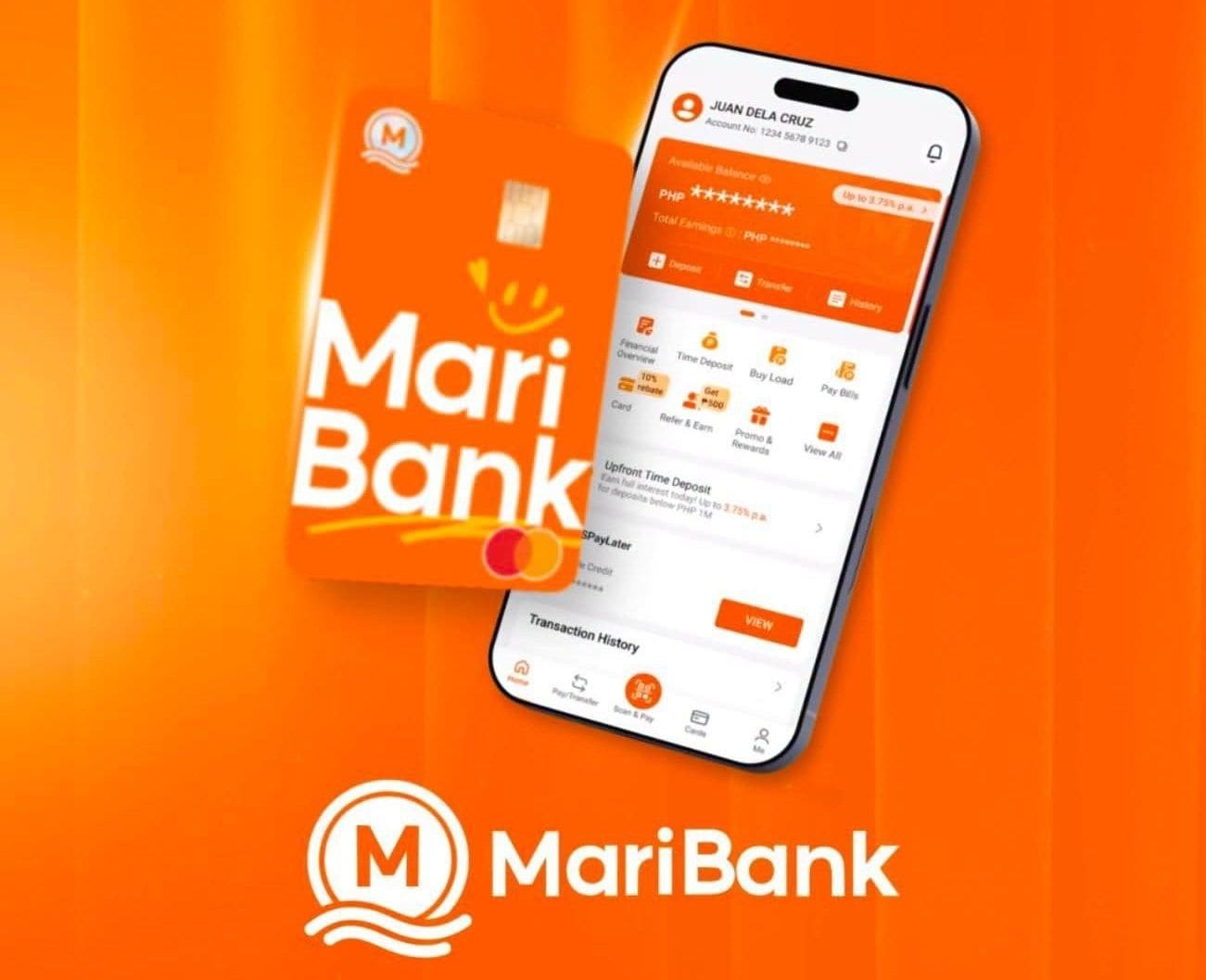
Philippines Digital Banking Roster Grows to Seven With MariBank License Approval
Former rural lender MariBank secures regulatory upgrade from BSP, filling seventh of ten available digital banking slots as competition intensifies in the archipelago's fintech sector
KEY TAKEAWAYS
- ·MariBank Philippines received full digital banking authorization from the BSP on July 18, becoming the seventh licensed digital bank and filling one of ten available slots.
- ·The upgrade follows a licensing freeze that ended in early 2025, with three slots remaining under the central bank's cap for digital lenders.
- ·Applicants for remaining licenses face strict evaluation of business models, capital adequacy, and management competence beyond basic regulatory requirements.
Regulatory Green Light
MariBank Philippines Inc. now holds a full digital banking license from the Bangko Sentral ng Pilipinas, bringing the country's total count of authorized digital lenders to seven. The Monetary Board granted approval for the license upgrade on February 19, followed by Securities and Exchange Commission clearance of amended corporate documents on June 16. The central bank issued its certificate of authority on July 8, and MariBank began operating under the new license on July 18.
The move places MariBank alongside GoTyme Bank, Maya Bank, Overseas Filipino Bank, Tonik Digital Bank, UnionDigital Bank, and UNObank in the digital banking category. Three slots remain available under the BSP's ten-license ceiling, which covers both new entrants and legacy institutions converting their charters.
From Rural Bank to Digital Player
MariBank previously operated under a rural bank license while running a predominantly app-based model. The regulatory reclassification formalizes what customers already experienced in practice. Existing depositors face no disruption to service, and Philippine Deposit Insurance Corp. coverage remains at the standard one million peso maximum per account.
Siew Ghee Kung Lim, president of MariBank Philippines, framed the license as validation rather than transformation. The bank's focus on simplicity and accessibility stays intact, with the new status providing regulatory room for expanded product development and geographic reach.
MariBank Philippines is a subsidiary of Singapore-based MariBank Singapore Private Ltd. The entity formerly carried the SeaBank Philippines name before rebranding under the parent company's identity.
Competition and Market Dynamics
BSP Deputy Governor Mamerto Tangonan highlighted MariBank's early adoption of free fund transfers as evidence of alignment with the central bank's digital payments agenda. He expects the upgraded license to sharpen competition across the sector, benefiting consumers through improved service quality and innovation.
The digital banking landscape in the Philippines has evolved rapidly since the BSP introduced the framework. The regulator imposed a temporary licensing freeze that lasted until early 2025, making MariBank the first addition to the roster since the moratorium lifted. The pause allowed the central bank to assess the performance of initial licensees and refine its supervisory approach.
Remaining Slots and Approval Criteria
While three digital bank licenses remain available, applicants face rigorous scrutiny. The BSP evaluates business models, value propositions, and operational resources alongside standard requirements covering capital adequacy, ownership structure, management competence, and strategic plans. Slot availability does not guarantee approval.
The ten-license cap applies to both newly established digital banks and existing financial institutions seeking license conversion. This dual pathway creates competition for the remaining slots between startups with tech-first models and traditional players looking to pivot.
Broader Implications for Philippine Fintech
The addition of MariBank reflects sustained momentum in Philippine digital finance, even as regulatory oversight tightens. The BSP has signaled that it will prioritize quality over quantity in filling the remaining slots, emphasizing financial stability and consumer protection alongside innovation.
Digital banks in the Philippines operate without physical branches, relying entirely on electronic channels for customer acquisition and service delivery. This model reduces overhead costs and theoretically enables lower fees and higher deposit rates, though actual competitive dynamics vary by institution.
The sector's growth trajectory will depend on how effectively digital banks differentiate their offerings in a crowded field. With seven players now competing and three more potentially entering, the market is approaching the density that will separate sustainable business models from those struggling to achieve profitability at scale.
MariBank's upgrade arrives as the Philippine banking sector navigates broader shifts in consumer behavior, with younger demographics showing strong preference for mobile-first financial services. The digital bank roster now spans a mix of standalone ventures and subsidiaries of regional financial groups, each testing different strategies for customer acquisition and retention in Southeast Asia's second-largest archipelago economy.
RELATED STORIES

GCash IPO Could Turn Users Into Shareholders
Mariel D. Santos · 3 min

Manila Halts Approvals for Digital Payment Operators Pending Fraud Review
Jun-ho Seo · 4 min
GCash Parent Mynt Wins SEC Approval for $1.6 Billion Manila IPO
Tran Quoc Bao · 3 min

GCash Clears Regulatory Hurdle for Philippines' Largest-Ever IPO
Anand Sundaram · 3 min
Spot something wrong? Email editor@briefasia.com. We log every correction publicly.