Asia · Business
Philippine Customs Collects P85.77 Billion in July, Beating Target on Stricter Enforcement
The bureau exceeded its P82 billion monthly goal as ports tighten assessment procedures and the peso's weakness adds revenue lift
KEY TAKEAWAYS
- ·The Bureau of Customs collected P85.77 billion in July 2026, surpassing its P82 billion target by P3.77 billion.
- ·Stricter assessment monitoring and the peso hitting an all-time low of P61.847 per dollar contributed to higher collections.
- ·The bureau plans to auction 200 seized vehicles worth approximately P500 million following recent sales that raised P340 million year-to-date.
Surplus Streak Continues
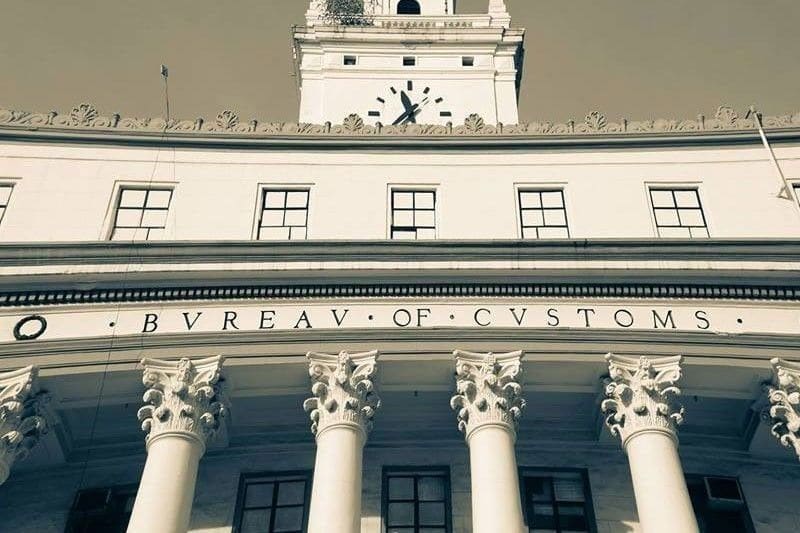
The Bureau of Customs collected P85.77 billion in July, overshooting its monthly target of P82 billion by P3.77 billion. The surplus extends a run of above-target collections as port officials respond to management directives and enforcement tightens across the agency's assessment pipeline.
Customs Commissioner Ariel Nepomuceno attributed the performance to stricter monitoring of assessment procedures and improved coordination among port collectors. Daily collections have averaged between P3.8 billion and P4.2 billion, according to the bureau. The agency is responsible for delivering P1.01 trillion in revenue for the full year 2026.
The July figure reflects reinstatement of excise taxes on kerosene and liquefied petroleum gas, which resumed on July 8 after Dubai crude prices fell below the $80 per barrel threshold. The temporary suspension, enacted during an earlier oil price shock, had reduced revenue from petroleum imports. Its expiry added back a stream of levies that had been paused for several months.
Currency and Assessment Discipline
The peso's slide to an all-time low of P61.847 against the dollar during the period also contributed to higher collections. Import duties and tariffs are calculated in dollar terms and converted to pesos, so a weaker currency raises the peso value of duties owed. Nepomuceno said the Development Budget Coordination Committee is monitoring the exchange rate and will adjust assumptions if volatility persists beyond forecast ranges.
Beyond currency effects, the bureau has sharpened oversight of valuation and classification at major ports. Nepomuceno emphasized that assessment rates are now tracked closely, leaving less room for under-declaration or misclassification. The tighter regime aims to close leakage that historically eroded collections, particularly on high-value imports.
Asset Disposal Pipeline
The bureau is preparing to auction approximately 200 seized vehicles valued at around P500 million, following a recent turnover of P205.02 million from the sale of forfeited luxury cars. Nepomuceno said auctions will proceed every two weeks, a pace designed to clear inventory while maintaining orderly bidding. Since the start of 2026, the bureau has raised P340 million from vehicle disposals, channeling proceeds directly into the national treasury.
The disposal program targets smuggled and abandoned vehicles that have completed forfeiture proceedings. Regular auctions serve a dual purpose: they convert idle assets into revenue and signal enforcement credibility to would-be smugglers. The bureau's legal team coordinates with auctioneers to ensure title clearance and compliance with procurement rules.
Port Performance and Compliance
Nepomuceno credited port collectors with rallying behind performance improvement initiatives. Major facilities, including Manila International Container Port and the Port of Cebu, have reported gains in throughput processing speed and accuracy. The bureau's real-time monitoring dashboard flags discrepancies in declared values, weights, and classifications, prompting immediate review.
The agency has also deployed additional personnel to high-traffic entry points and expanded use of non-intrusive inspection equipment. X-ray scanners and automated risk-scoring algorithms help inspectors identify containers warranting physical examination, reducing delays for compliant shippers while increasing detection rates for misdeclared goods.
Outlook and Pressure Points
With seven months elapsed, the bureau must sustain an average monthly collection above P84 billion to meet its annual P1.01 trillion mandate. Import volumes remain sensitive to global demand cycles and domestic consumption patterns, both of which face headwinds from tighter monetary policy and elevated inflation.
Currency volatility presents a double edge: while a weaker peso lifts peso-denominated duties, it also raises the cost of imported inputs for manufacturers, potentially dampening import volumes over time. The bureau's ability to hit full-year targets will depend on maintaining assessment discipline, keeping ports operationally efficient, and adapting to shifts in trade flows as regional supply chains continue to reconfigure.
RELATED STORIES

Five ASEAN Members Back Regional Oil Stockpile as Study Nears Completion
Tran Quoc Bao · 3 min
Filipino Workers Abroad Send Home $3.6 Billion in July
Mariel D. Santos · 3 min
Philippine Stocks Edge Higher as Inflation Cools to Five-Month Low
Jun-ho Seo · 3 min

Manila Bourse Slides as Investors Reserve Cash for GCash IPO
Rajesh K. Iyer · 3 min
Spot something wrong? Email editor@briefasia.com. We log every correction publicly.