Asia · Business
Philippine Corporates Push Overseas Expansion as Regional Volatility Rises
Citi reports surge in clients exploring Southeast Asian markets amid tariff uncertainty, supply-chain disruption, and commodity swings
KEY TAKEAWAYS
- ·Citi Philippines reports a significant increase in clients pursuing geographic diversification across Southeast Asia and international markets amid tariff uncertainty and supply-chain disruptions.
- ·Companies are investing heavily in treasury modernization, digital systems, and supply-chain financing to improve liquidity and secure inputs without straining balance sheets.
- ·International debt markets remain open to Philippine issuers despite volatility, with pricing and timing tied to global risk sentiment and issuer credit profiles.
Diversification Push Accelerates
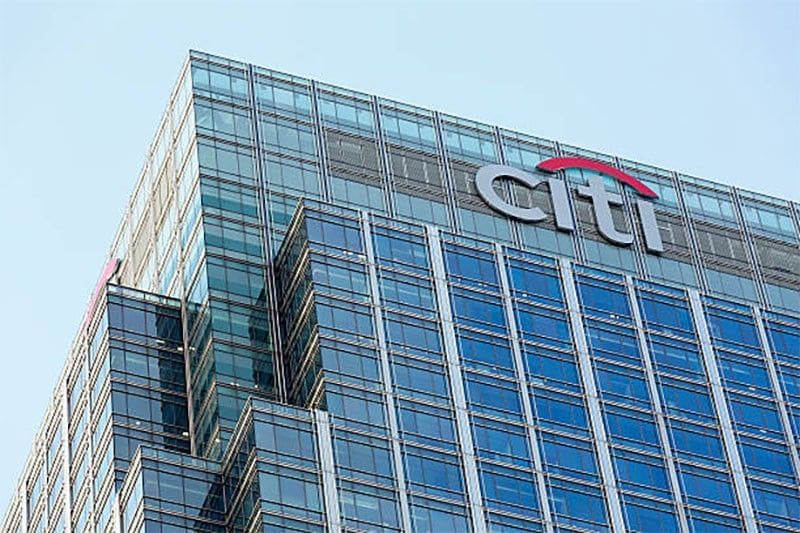
Philippine companies are stepping up cross-border expansion as domestic market constraints and global volatility push executives to rethink growth strategies. Manish Bajaj, corporate banking head at Citi Philippines, said the bank has observed a marked increase in clients exploring opportunities across Southeast Asia and other international markets over recent quarters.
The shift reflects a broader strategic recalibration. Tariff uncertainty, the protracted Middle East conflict, and swings in currencies, commodities, and interest rates have created an operating environment where geographic concentration carries heightened risk. Companies that once focused primarily on domestic consumption are now building regional footprints to hedge against local shocks and tap faster-growing markets.
Volatile oil prices remain a particular concern, according to Bajaj. Energy costs ripple through supply chains, consumer prices, and overall economic activity, making predictability difficult. For companies in logistics, manufacturing, and retail, the ability to source and sell across multiple jurisdictions has become a competitive advantage.
Treasury and Supply-Chain Overhauls
Beyond geography, companies are investing in treasury modernization and digital infrastructure. The goal is to improve liquidity visibility, unlock working capital, and support expansion without straining balance sheets. Citi noted that clients are deploying real-time cash-management systems and automated reconciliation tools to manage cross-border flows more efficiently.
Supply-chain arrangements are also under review. Disruptions caused by tariffs, geopolitical tensions, and energy-market volatility have prompted companies to rethink sourcing strategies. Many are exploring supply-chain financing and other working-capital solutions that allow them to secure inputs at stable prices without tying up cash or expanding debt.
Artificial intelligence, cybersecurity, and operational resilience have emerged as priority topics, particularly for companies in the Philippines' large services sector. As firms expand digitally and geographically, the attack surface grows. Executives are seeking tools and frameworks to protect data, maintain uptime, and comply with varying regulatory regimes across jurisdictions.
Capital Markets Remain Open
Despite market volatility, international debt markets remain accessible to Philippine issuers. Paul Favila, CEO and banking head of Citi Philippines, confirmed that capital is available, though pricing reflects global risk sentiment and timing remains critical.
Favila emphasized that fundraising decisions should align with long-term strategy rather than opportunistic market windows. Companies that have clear use cases, strong credit profiles, and transparent governance continue to attract investor interest, even as spreads widen in response to macro uncertainty.
Citi itself reported its strongest quarterly revenue performance in a decade. According to Favila, second-quarter revenues rose 14 percent year-on-year, with double-digit growth across the group and in four of five core businesses. The bank attributed the performance to sustained investment in capabilities, deeper client relationships, and consistent execution across its franchise.
Regional Context
The Philippines is not alone in this pivot. Across Southeast Asia, companies are building regional networks to diversify revenue streams and reduce exposure to single-country risk. Singapore, Thailand, and Vietnam have emerged as key hubs for Philippine firms expanding production, distribution, or back-office operations.
The trend also reflects a maturation of the Philippine corporate sector. As domestic conglomerates grow in scale and sophistication, they are increasingly competing for regional mandates, cross-border M&A, and partnerships with multinational firms. Access to international banking networks, market intelligence, and trade-finance solutions has become a differentiator.
Citi has operated in the Philippines for nearly 125 years, serving government agencies, large corporations, and institutional clients. The bank's presence in more than 180 countries and jurisdictions allows it to connect Philippine companies with market information, banking services, and counterparties as they expand beyond home turf.
The shift toward diversification and modernization is likely to accelerate as global uncertainty persists. For Philippine corporates, the question is no longer whether to expand overseas, but how quickly and where.
RELATED STORIES

Philippine Water Operator Earmarks $400 Million for Southeast Asia Expansion
Mariel D. Santos · 2 min
Philippine Manufacturing Expands at Fastest Pace Since 2016
Priyanka V. Rao · 3 min
Philippine Economic Zones Pull Record ₱216 Billion in Eight Months
Priyanka V. Rao · 3 min

Philippines Energy Budget Climbs 26% as Electric Vehicle Funding Surges
Priyanka V. Rao · 3 min
Spot something wrong? Email editor@briefasia.com. We log every correction publicly.