Finance · Banking
Philippine Bank Secrecy Rules Under Fire as Impeachment Court Limits Account Access
Central bank officials criticize decades-old deposit laws that shield foreign currency accounts from investigation, even in corruption cases

KEY TAKEAWAYS
- ·Philippine impeachment court granted subpoena of Vice President Sara Duterte's peso accounts but excluded all foreign currency deposits under a 1974 law with no impeachment exception.
- ·Bangko Sentral Deputy Governor Elmore Capule criticized bank secrecy rules as the most restrictive among major economies, frustrating corruption and tax evasion probes for decades.
- ·Legislative amendments aligning foreign currency protections with peso account exceptions are expected to advance rapidly in the final two years of the current Congress.
Legal Gaps Exposed in High-Profile Case
The Philippine Senate, sitting as an impeachment court, recently granted prosecutors permission to subpoena bank records of Vice President Sara Duterte, her husband Manases Carpio, their joint accounts, and linked corporate entities. The order, however, excluded all foreign currency-denominated deposits, revealing a legal divide that has frustrated investigators for decades.
The distinction stems from two separate statutes enacted more than four decades apart. Republic Act 1405, passed in 1955, covers peso-denominated accounts and allows limited exceptions for impeachment proceedings, bribery investigations, and litigation where deposited funds are directly at issue. Republic Act 6426, the Foreign Currency Deposit Act of 1974, offers no such carve-outs. It declares foreign currency deposits absolutely confidential, exempt from examination by any person, government official, or entity, and immune from court orders, attachment, or garnishment.
Presidential Decree 1246, issued in 1977, reinforced this protection by stipulating that any future law weakening these rights would apply only to deposits made after its enactment, grandfathering existing accounts indefinitely.
Central Bank Calls for Reform
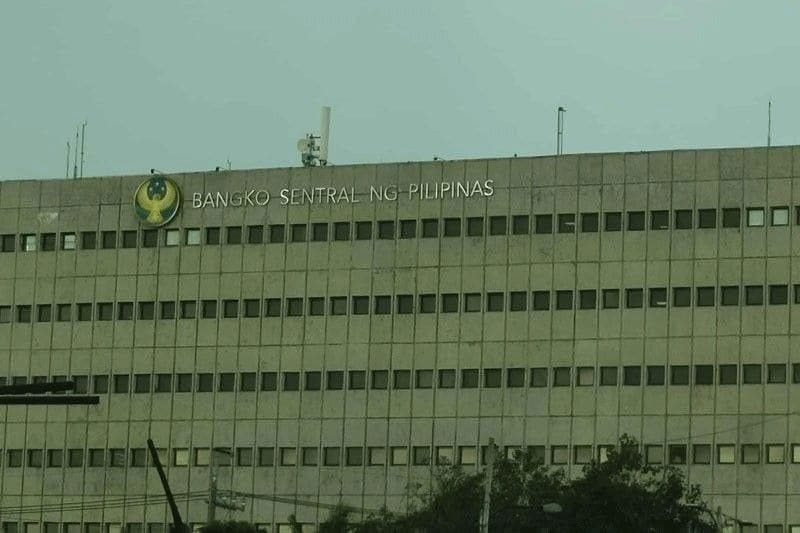
Bangko Sentral ng Pilipinas Deputy Governor Elmore Capule responded sharply to the court ruling, stating that the secrecy provisions have obstructed investigators across multiple cases. The central bank has noted in internal briefings that the Philippines remains the only major economy with such restrictive deposit confidentiality, diverging from a global shift toward financial transparency.
The Supreme Court underscored this gap in Republic vs Rabusa, ruling that Security Bank could not be compelled to disclose foreign currency accounts belonging to Lt. Col. George Rabusa during asset forfeiture proceedings. The court cited potential criminal liability under the Foreign Currency Deposit Act, designed to attract foreign lenders and investors by guaranteeing privacy.
Patchwork of Exceptions
While foreign currency deposits enjoy broad protection, a series of subsequent laws have carved out narrow exceptions. The Anti-Financial Account Scamming Act, enacted as Republic Act 12010, grants BSP authority to examine both peso and foreign currency accounts in financial fraud investigations. The Anti-Money Laundering Act permits the Anti-Money Laundering Council to inquire into deposits linked to unlawful activities or terrorism financing. The New Central Bank Act requires bank directors, officers, and stockholders to waive deposit secrecy when borrowing from their own institutions.
Additional exceptions allow the Bureau of Internal Revenue to access account information for estate tax determinations and tax compromise applications. The BSP and Philippine Deposit Insurance Corp. may examine deposits when banks exhibit unsafe practices or fail corrective action. The Commission on Audit can audit government deposits, and the BSP conducts annual testing of numbered foreign currency accounts solely to verify ownership and prevent money laundering.
In rare judicial decisions, courts have permitted garnishment of a non-resident alien's foreign currency account in a rape case on equity grounds, and recognized a check co-payee as a depositor in a money recovery suit under exceptional circumstances.
Historical Context and Economic Rationale
BSP legal documents trace the Foreign Currency Deposit Act to a period of severe dollar shortage in the 1970s. Heavy foreign currency spending had drained reserves needed to service external debt and finance imports. Lawmakers targeted overseas Filipino workers as a potential source of dollar inflows, hoping deposit confidentiality, tax exemptions, and unrestricted withdrawability would channel remittances through the formal banking system and bolster international reserves.
The strategy succeeded in attracting deposits, but critics argue the framework has outlived its purpose. Tax evaders and officials accused of corruption can move funds into dollar or euro accounts, placing them beyond the reach of most investigations. The impeachment court ruling highlights this vulnerability: even in proceedings against the country's second-highest official, prosecutors cannot access a significant portion of financial records.
Legislative Momentum Builds
With two years remaining in President Ferdinand Marcos Jr.'s term and the current Congress, amendments to bank secrecy laws are expected to advance rapidly. Multiple bills have been filed proposing to align the Foreign Currency Deposit Act exceptions with those under Republic Act 1405, particularly for impeachment, corruption, and tax evasion cases.
Banking industry representatives have expressed concern that weakening confidentiality protections could reduce foreign currency deposits and remittance flows, potentially pressuring the peso and foreign reserves. Proponents counter that transparency measures have not triggered capital flight in other Southeast Asian economies that reformed similar laws over the past decade.
The central bank has not taken a formal position on pending legislation but has emphasized in internal guidance that the current framework complicates compliance with international anti-money laundering standards. The Philippines faces periodic reviews by the Financial Action Task Force, which has flagged bank secrecy as a deficiency in past assessments.
What Happens Next
The impeachment proceedings will continue under the existing legal framework, with prosecutors limited to peso-denominated records. If the case yields evidence of fund movements into foreign currency accounts that cannot be examined, pressure for legislative action is likely to intensify. Lawmakers from both chambers have signaled readiness to take up amendments when Congress reconvenes, though the timeline and scope of any reform remain uncertain.
The outcome will test whether the Philippines prioritizes financial privacy protections rooted in 1970s economic strategy or transparency measures aligned with current regional and global norms.
RELATED STORIES

PhilWeb Trading Halted After P4.2 Billion JKS Tech Bet
Tran Quoc Bao · 3 min
Manila Halts Approvals for Digital Payment Operators Pending Fraud Review
Jun-ho Seo · 4 min

Jollibee Shifts IPO Plans to Hong Kong After US Listing Target
Cheng Wei-Lun · 3 min
JCR Holds Philippines at A- as Growth Slows to Mid-3% Range
Priyanka V. Rao · 3 min
Spot something wrong? Email editor@briefasia.com. We log every correction publicly.