Asia · Business
Philippine Airport Consortium Secures Development Rights at $444 Million
The Gokongwei-Gotianun venture wins original proponent status for three regional airports after raising its bid by 35 percent to PHP 21.61 billion.
KEY TAKEAWAYS
- ·The Philippine Regional Airports Consortium won original proponent status for a PHP 21.61 billion plan to rehabilitate Davao, Bicol, and Siargao airports after increasing its bid by 35 percent.
- ·The consortium, led by the Gokongwei and Gotianun families, holds the right to match any competing bid during the comparative phase, giving it effective control over the outcome.
- ·Siargao's Sayak Airport will receive a runway extension to 2,100 meters and night-rating certification to handle larger aircraft and evening flights, aiming to lower ticket costs.
A Bigger Bet for Regional Aviation
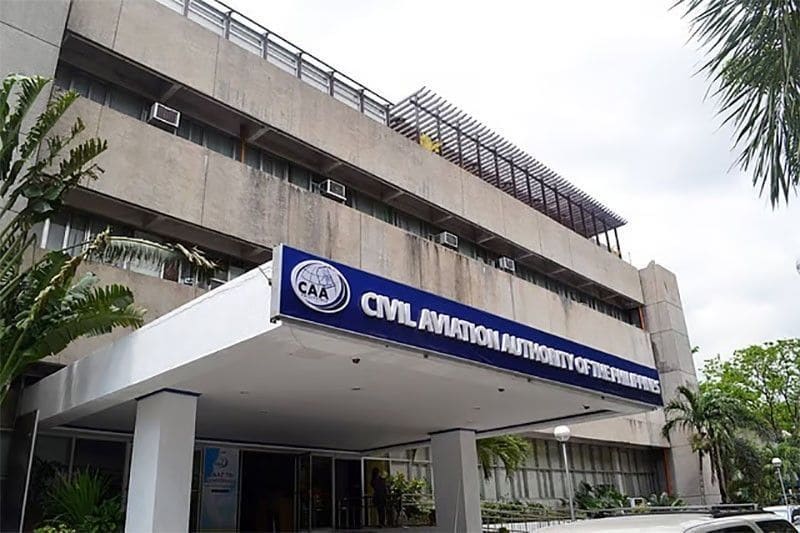
The Philippine Regional Airports Consortium has locked in original proponent status for a PHP 21.61 billion ($444 million) plan to rehabilitate three regional airports, marking a significant step in the country's infrastructure privatization drive. The Civil Aviation Authority of the Philippines granted the designation in June 2026, one year after the initial proposal landed on its desk.
The final investment figure represents a 35 percent increase from the consortium's original PHP 16.05 billion bid, signaling that regulators pushed for more substantial capital commitments. The revision added PHP 5.56 billion to the project scope, likely reflecting expanded infrastructure requirements or longer-term operational standards.
Original proponent status gives the consortium a critical advantage in the competitive phase. While the Civil Aviation Authority will accept comparative bids from rival groups, the consortium retains the right to match any competing offer, effectively controlling the outcome unless a competitor submits a proposal it chooses not to counter.
The Players and the Assets
The venture brings together JG Summit Infrastructure Holdings Corp., the infrastructure arm of the Gokongwei family's conglomerate, and Filinvest Infra-Solutions Venture Inc., controlled by the Gotianun family. Asian Infrastructure and Management Corp. rounds out the partnership.
Under the proposal, the group would operate and maintain Davao International Airport and Bicol International Airport for 30 years. Sayak Airport in Siargao, a smaller facility serving the island's growing tourism sector, would fall under a 15-year concession.
Davao serves as the primary gateway to Mindanao, handling over 3 million passengers annually before the pandemic. Bicol International Airport opened in 2021 and is positioned to replace the aging Legazpi Airport. Siargao, meanwhile, has become a flashpoint in Philippine tourism infrastructure debates, with travelers and airlines sparring over high fares and limited capacity.
Siargao's Capacity Crunch
The Department of Transportation is moving ahead with parallel upgrades at Sayak Airport while the private consortium navigates pre-approval requirements. Acting Transportation Secretary Giovanni Lopez announced plans to secure night-rating certification, which would allow the airport to handle evening flights and increase daily slot availability.
By August 2026, the department will begin designing a runway extension to at least 2,100 meters, enabling single-aisle jets to land. Currently, the airport's short runway restricts operations to smaller turboprops and regional aircraft, limiting seat inventory and driving up ticket prices.
Tourism operators have flagged airfare costs as a barrier to Siargao's growth. Airlines counter that the airport's infrastructure forces them to deploy smaller, less fuel-efficient aircraft, eroding the economies of scale that would lower per-seat costs. The runway extension and night-rating approval could shift that calculus, though the timeline for completion remains uncertain.
What Comes Next
The Civil Aviation Authority is now completing pre-approval documentation before opening the project to comparative bids. No timeline has been disclosed for the competitive phase, but the consortium's right-to-match provision positions it as the de facto winner unless a rival submits a materially superior proposal.
The PHP 21.61 billion commitment places the airport project among the larger infrastructure deals in the Philippine PPP pipeline. It also reflects growing private-sector interest in aviation assets across Southeast Asia, where passenger traffic is rebounding and governments are seeking capital partners to modernize aging facilities.
For the Gokongwei and Gotianun families, both with deep portfolios in real estate, hospitality, and infrastructure, the airports represent a strategic expansion into transport hubs that feed their broader commercial ecosystems. Whether the investment pencils out will depend on passenger volume recovery, regulatory stability, and the consortium's ability to execute on the PHP 5.56 billion in additional commitments it made to secure original proponent status.
RELATED STORIES
Philippine Water Operator Earmarks $400 Million for Southeast Asia Expansion
Mariel D. Santos · 2 min
Philippine Economic Zones Pull Record ₱216 Billion in Eight Months
Priyanka V. Rao · 3 min

Philippines Energy Budget Climbs 26% as Electric Vehicle Funding Surges
Priyanka V. Rao · 3 min
Philippine Nickel Miners Push for Unified Policy Framework as Critical Minerals Race Intensifies
Priyanka V. Rao · 3 min
Spot something wrong? Email editor@briefasia.com. We log every correction publicly.