Finance · Deals
Pentamaster Profit Surges 64% as AI and Medical Devices Drive Malaysia Tech Revival
The Penang-based automation specialist posted RM19 million in Q2 earnings, fueled by a near-doubling of factory automation revenue and a 20-fold jump in healthcare sales
KEY TAKEAWAYS
- ·Pentamaster Corp reported net profit of RM19 million in Q2 2026, up 64 per cent year-on-year, with revenue rising 24.8 per cent to RM180.9 million.
- ·Factory automation revenue nearly doubled to RM121 million, while healthcare sales surged more than 20-fold to RM20.4 million, driven by AI Compute and medical device demand.
- ·The company projects strong double-digit revenue growth for 2026, supported by a robust order book in AI infrastructure and medical segments.
Automation and Healthcare Fuel Earnings Beat
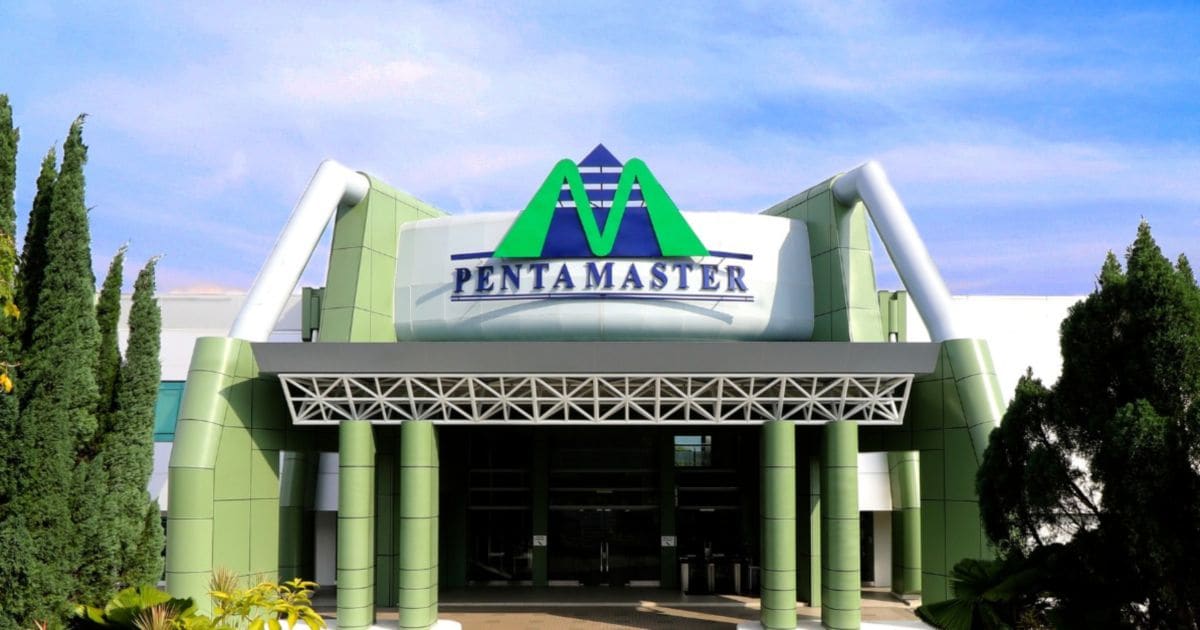
Pentamaster Corp, a Penang-based provider of factory automation and medical device solutions, delivered a 64 per cent surge in net profit during the second quarter of financial year 2026, underscoring the resilience of Malaysia's advanced manufacturing exporters even as global supply chains remain volatile. Net profit climbed to RM19 million from RM11.6 million in the same quarter a year earlier, while revenue rose 24.8 per cent to RM180.9 million, according to a filing with Bursa Malaysia.
The standout performance came from two business lines that have emerged as the company's growth engines. Revenue from the factory automation solutions (FAS) segment nearly doubled to RM121 million, propelled by higher contributions from consumer and industrial product lines, electro-optical systems, semiconductor tooling, and the newly launched AI Compute segment. Meanwhile, the healthcare division posted a more than 20-fold revenue increase to RM20.4 million, up from RM1 million a year ago, driven by stronger sales of intravenous catheters and other medical devices.
For the six-month period ending June, Pentamaster reported net profit of RM36.96 million, up 50 per cent from RM24.7 million in the prior-year half, while revenue advanced 30.6 per cent to RM361 million from RM276 million. The company disclosed that its existing order book remains robust, with particularly strong momentum in the FAS segment as AI infrastructure and medical device demand continue to accelerate.
AI Compute Emerges as New Revenue Stream
The introduction of the AI Compute segment marks a strategic pivot for Pentamaster, which has historically focused on precision automation for consumer electronics and semiconductor manufacturing. The segment caters to producers of servers, data-center hardware, and AI accelerator modules, a market that has seen explosive growth across Asia as hyperscalers and cloud providers expand capacity in Singapore, Malaysia, and Thailand to serve regional AI workloads.
Pentamaster's pivot aligns with broader trends in Southeast Asia's electronics supply chain. Malaysia has become a key node for advanced packaging and test services for AI chips, with firms such as Intel and Infineon operating major facilities in Penang and Kulim. The country exported electronics worth RM447 billion in 2025, with semiconductors and automated test equipment accounting for a growing share. Pentamaster's ability to capture AI-related orders suggests it is positioning itself as a supplier to this expanding ecosystem.
The healthcare segment's sharp revenue expansion reflects a different but equally strategic bet. Pentamaster entered medical device manufacturing several years ago, leveraging its precision engineering expertise to produce intravenous catheters, surgical instruments, and diagnostic components. The surge in sales indicates the company has begun to scale production and secure larger contracts, likely with multinational medtech firms that have shifted manufacturing to Malaysia to diversify away from China.
Order Book Supports Full-Year Outlook
Pentamaster expects to deliver strong double-digit revenue growth in 2026, barring unforeseen disruptions. The company cited its current order book, which is supported mainly by demand from the AI Compute and medical segments, as providing improved revenue visibility for the remainder of the year. Management emphasized that timely project execution, operational efficiency, and margin discipline would remain priorities as it scales production to meet customer commitments.
The company also flagged external risks, including economic, geopolitical, and supply-chain uncertainties, as factors it continues to monitor. Malaysia's electronics exporters have faced headwinds from U.S.-China trade tensions, semiconductor inventory corrections, and fluctuating demand for consumer devices. Pentamaster's diversification into AI infrastructure and medical devices appears designed to insulate the company from cyclical swings in smartphone and PC demand, which have historically driven revenue volatility for automation suppliers.
Regional Context and Competitive Position
Pentamaster's performance offers a window into the shifting priorities of Asia's electronics manufacturers. While traditional automation clients in consumer electronics have scaled back capital expenditure amid sluggish global smartphone sales, spending on AI and data-center infrastructure has surged. The company's ability to pivot quickly to serve AI Compute customers reflects the agility that has allowed Malaysian tech firms to compete with larger rivals in Taiwan and South Korea.
The healthcare segment's growth also highlights a longer-term trend. Southeast Asian governments, including Malaysia's, have identified medical device manufacturing as a strategic industry, offering tax incentives and regulatory support to attract investment. Pentamaster's expansion in this area positions it to benefit from regional initiatives aimed at building pharmaceutical and medtech supply chains less dependent on Western and Chinese suppliers.
As Pentamaster enters the second half of 2026, its dual focus on AI infrastructure and healthcare equipment places it at the intersection of two of Asia's fastest-growing industrial segments. The company's ability to sustain momentum will hinge on its execution of a growing project pipeline and its success in navigating the external uncertainties that continue to weigh on the region's export-oriented manufacturers.
RELATED STORIES

Malaysian Ringgit Holds Ground as Weak US Jobs Data Clouds Fed Path
Priyanka V. Rao · 2 min

Malaysia's Tabung Haji Posts Best Returns Since 2018 After Restructuring
Priyanka V. Rao · 3 min

Ringgit Holds Steady Against Dollar as Markets Await US Jobs Data
Cheng Wei-Lun · 2 min
Malaysia Positioned to Capture Optical Transceiver Production as US Restricts Chinese Imports
Priyanka V. Rao · 3 min
Spot something wrong? Email editor@briefasia.com. We log every correction publicly.