Technology · Products
Mobileye Founder Amnon Shashua to Exit CEO Role After 27 Years
The co-founder of the Intel-owned autonomous driving supplier will depart once a successor is named, ending nearly three decades at the helm of the Israeli technology firm.
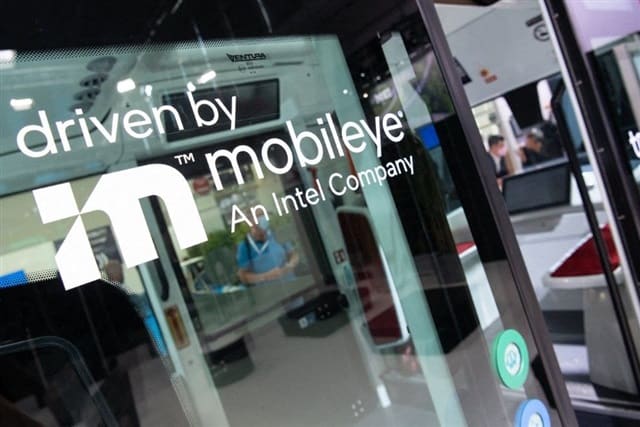
KEY TAKEAWAYS
- ·Amnon Shashua is stepping down as CEO of Mobileye after co-founding the autonomous driving technology supplier in 1999, pending appointment of a successor.
- ·Intel acquired Mobileye for $15.3 billion in 2017 and took it public again in 2022 at a $17 billion valuation while retaining majority control.
- ·The leadership change arrives as the autonomous driving sector faces rising costs, regulatory hurdles, and intensifying competition from Asian domestic suppliers.
Leadership Transition at Israeli Tech Pioneer
Amnon Shashua is stepping down from his role as chief executive at Mobileye, the autonomous driving technology company he helped establish in 1999. The departure, set to take effect once the board appoints a replacement, represents the most substantial leadership shift in the Israeli firm's 27-year history.
Mobileye announced the transition as the company searches for its next leader. Shashua co-founded the business in Jerusalem, building it into one of the world's leading suppliers of driver-assistance and autonomous vehicle systems. The company supplies advanced driver-assistance systems (ADAS) and self-driving technology to major automotive manufacturers across North America, Europe, and Asia.
From Startup to Intel Subsidiary
Intel acquired Mobileye in 2017 for approximately $15.3 billion, one of the largest transactions in the semiconductor industry at that time. The deal gave Intel a foothold in the automotive technology market as carmakers accelerated their shift toward electrification and autonomy. Shashua remained at the helm following the acquisition, maintaining operational independence while leveraging Intel's manufacturing and research capabilities.
The company went public again in October 2022 through an initial public offering on Nasdaq, though Intel retained majority ownership. That listing valued Mobileye at roughly $17 billion, below initial expectations but still marking a significant milestone for the autonomous driving sector during a period of rising interest rates and tech-sector volatility.
Technology Footprint Across Asia
Mobileye's technology has gained traction with Asian automakers seeking to compete in the global race toward autonomous vehicles. The company has partnerships with Chinese electric vehicle manufacturers and Japanese legacy carmakers, supplying vision-based systems that use cameras and proprietary algorithms to interpret road conditions.
The firm's EyeQ chips power driver-assistance features in millions of vehicles worldwide. These systems handle tasks ranging from adaptive cruise control to lane-keeping assistance, forming the foundation for higher levels of automation. Mobileye has also been testing fully autonomous vehicles in several cities, including Munich, Detroit, and Tel Aviv, as it works toward commercial deployment of robotaxi services.
Succession and Strategic Questions
The leadership change comes as the autonomous driving industry faces headwinds. Rising development costs, regulatory uncertainty, and slower-than-expected consumer adoption have pressured valuations across the sector. Mobileye itself has navigated production delays at automotive clients and shifting demand patterns in key markets.
Who takes over will shape the company's strategic direction at a pivotal moment. The next CEO will need to balance continued investment in full autonomy against the more immediate revenue opportunities in advanced driver-assistance systems. They will also oversee relationships with automakers in China, South Korea, and Japan, where competition from domestic technology suppliers is intensifying.
Shashua's departure closes a chapter for one of Israel's most prominent technology entrepreneurs. His work helped position the country as a hub for automotive software and computer vision research, attracting talent and capital to the sector. The company he built has become a reference point for how academic research can scale into industrial applications with global reach.
The search for a successor is underway, with the board expected to consider both internal candidates and external executives with experience in automotive technology or semiconductor operations. Until a replacement is named, Shashua will continue in his current role, ensuring continuity as the company advances its product roadmap and manages relationships with key customers across the Asia-Pacific region and beyond.
RELATED STORIES
Taiwan's Neousys Bets on Edge AI Expansion Across Defense and Manufacturing
Cheng Wei-Lun · 3 min
Hyundai Motor Group Pivots to Physical AI Beyond Automotive Manufacturing
Cheng Wei-Lun · 3 min
Nvidia to Announce $500 Billion Partnership With SK Group
Cheng Wei-Lun · 3 min
CaoCao Mobility Bets on Autonomous Taxis as Revenue Tops RMB 10 Billion
Cheng Wei-Lun · 3 min
Spot something wrong? Email editor@briefasia.com. We log every correction publicly.