Technology · AI
Micron Breaks Ground on $9.3 Billion Japan Chip Plant
The Idaho-based memory maker is building advanced HBM capacity in Hiroshima with nearly $5 billion in Japanese government support, targeting 2028 production.
KEY TAKEAWAYS
- ·Micron began construction on a 1.5 trillion yen factory in Hiroshima to produce high-bandwidth memory chips for AI processors, with shipments starting summer 2028.
- ·Japan's government committed up to 500 billion yen for the project, part of 775 billion yen in total support including research funding for the only DRAM maker in the country.
- ·The expansion intensifies competition with SK Hynix and Samsung as memory makers race to meet AI demand, with Micron simultaneously building facilities in Idaho and New York.
A Major Bet on AI Memory
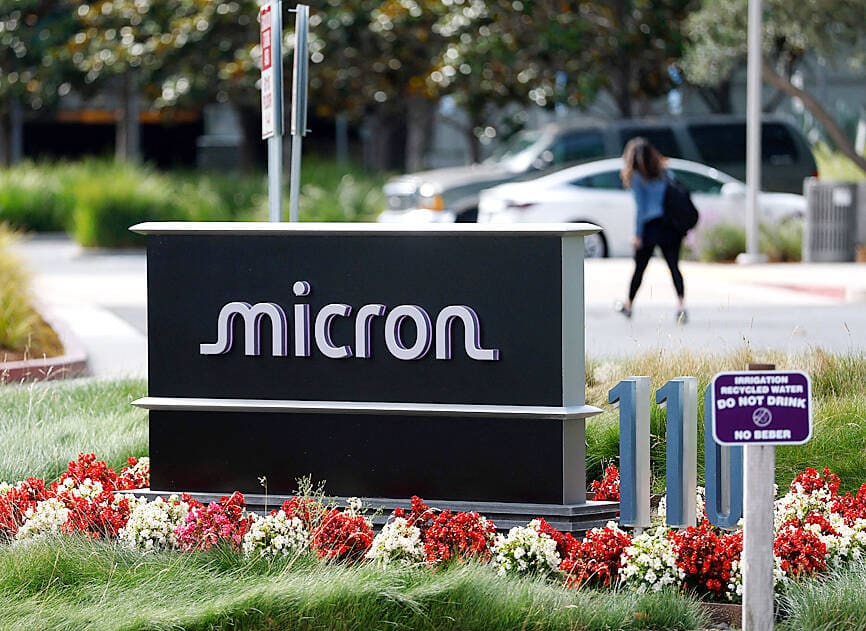
Micron Technology began construction Saturday on a 1.5 trillion yen ($9.3 billion) factory expansion in Hiroshima, marking one of the largest foreign semiconductor investments in Japan. The facility will manufacture high-bandwidth memory chips essential for artificial intelligence processors, with initial shipments scheduled for summer 2028.
The Idaho-based company plans to produce HBM at the site, a specialized memory technology used in chips from Nvidia and other AI hardware makers. Japan's Ministry of Economy, Trade and Industry committed up to 500 billion yen to offset construction costs, part of a broader 775 billion yen package that includes research and development funding, according to Micron.
"Micron's very first HBM production wafer was made right here in Hiroshima," chief executive Sanjay Mehrotra said during the groundbreaking ceremony attended by government officials. The Hiroshima site, which Micron acquired through its 2013 purchase of bankrupt Japanese DRAM maker Elpida Memory, already serves as a production base for the company's memory products.
Asia's Memory Race Accelerates
The expansion reflects intensifying competition among memory manufacturers to capture AI demand. Micron is simultaneously building two advanced fabrication plants in Idaho and broke ground in January on a $100 billion production complex near Syracuse, New York, aimed at increasing DRAM output on American soil.
South Korean rivals SK Hynix and Samsung Electronics are also expanding capacity, creating a three-way race centered on HBM technology. The specialized memory allows AI chips to access data at speeds conventional DRAM cannot match, making it a bottleneck component in data center infrastructure.
Kota Nosaka, representative director of Micron Memory Japan, emphasized the site's strategic value. "The Hiroshima factory's strength lies in its ability to quickly deliver cutting-edge and high-performance products to customers," he said. About 80 percent of chip materials the facility requires now come from Japanese suppliers, according to Nosaka, underscoring the country's continued dominance in upstream semiconductor materials and equipment.
Tokyo's Semiconductor Ambitions
Japanese Minister of Economy, Trade and Industry Ryosei Akazawa characterized government support for Micron as having "invaluable worth," noting the company remains the only DRAM manufacturer operating within Japan's borders. He signaled openness to additional foreign chipmakers, saying the country stands ready to do "all that it can" to assist new entrants.
Since 2021, Japan has allocated tens of billions of dollars to semiconductor and AI initiatives, seeking to reclaim influence in a sector it views as critical for national security. Prime Minister Sanae Takaichi released a roadmap last month targeting 101.6 trillion yen in combined private and public investment into chips and AI through March 2041, though the plan did not specify the government's share.
The strategy reflects Japan's attempt to reverse decades of decline in finished semiconductor production. While the country hosts many essential suppliers of chip materials and manufacturing equipment, it has largely ceded leadership in actual chip fabrication to Taiwan, South Korea, and the United States.
Supply Chain Implications
Mehrotra framed the partnership as synergistic. "When American boldness meets Japanese craftsmanship, you do not get a compromise. You get the best in the world," he told attendees. The Hiroshima expansion is designed to improve power efficiency and data transmission performance in chips used for AI services and autonomous vehicles, areas where HBM technology is becoming standard.
The 2028 timeline places Micron's Hiroshima output roughly in line with its North American expansion schedule, allowing the company to diversify production geography while maintaining technical parity across sites. For Japan, the project represents a tangible return on its semiconductor subsidies, securing advanced manufacturing capacity and deepening ties with a key American technology firm as geopolitical tensions reshape global chip supply chains.
RELATED STORIES

Fujitsu to Exit Commodity Hardware as AI Shifts Production Strategy
Aiko Nakamura · 4 min
Preferred Networks Eyes Public Listing to Scale AI Chip Production
Aiko Nakamura · 2 min
Honda and Nissan Form Alliance to Develop Software-Defined Vehicle Platforms
Aiko Nakamura · 3 min
Honda and Nissan Align on Software-Defined Vehicle Development
Cheng Wei-Lun · 2 min
Spot something wrong? Email editor@briefasia.com. We log every correction publicly.