Technology · Products
Memory Chip Shortage Threatens Smartphone Production as Chinese Suppliers Eye Major Contracts
Component constraints collide with AI marketing push in the second half of 2026, forcing global brands to reconsider supply chains
KEY TAKEAWAYS
- ·Memory chip shortages are constraining smartphone production in the second half of 2026, limiting shipment volumes during a critical sales period.
- ·Apple and Samsung Electronics are reportedly evaluating Chinese memory suppliers, marking a potential shift in procurement strategy for premium device makers.
- ·Chinese smartphone brands are emphasizing AI features as upgrade drivers, but the strategy faces hardware supply constraints and unproven consumer demand at scale.
Supply Constraints Hit Peak Season
The smartphone industry is entering the second half of 2026 with an unusual problem: not enough memory chips to meet production targets. Component shortages are now limiting shipment volumes during what should be a critical sales period, forcing manufacturers to navigate between production realities and marketing ambitions.
Memory availability has tightened across DRAM and NAND flash segments, creating bottlenecks for brands preparing flagship launches and holiday inventory. The constraint arrives as manufacturers lean heavily on artificial intelligence features to differentiate devices and justify premium pricing, a strategy that requires more sophisticated components and larger memory configurations.
Chinese Suppliers Move Into Contention
Apple and Samsung Electronics are reportedly evaluating memory components from Chinese suppliers, a significant shift for two companies that have historically relied on established Korean and Japanese vendors. The consideration reflects how supply pressures can reshape procurement strategies even among the most quality-sensitive brands.
Chinese memory manufacturers have invested heavily in production capacity over the past three years, building facilities capable of producing DRAM and NAND at volumes that now matter to global supply chains. While quality and reliability questions have historically kept these suppliers at arm's length from premium smartphone makers, tightening availability is forcing a reassessment.
The potential shift carries implications beyond immediate component sourcing. Diversifying memory supply could reduce concentration risk for major brands, but also introduces complexity around validation, yield management, and geopolitical considerations that affect cross-border semiconductor trade.
The AI Narrative Meets Hardware Reality
Smartphone brands across China have doubled down on AI positioning for 2026 devices, marketing on-device large language models, computational photography upgrades, and voice assistant improvements. These features serve a dual purpose: justifying higher average selling prices and creating differentiation in a mature market where hardware specs have largely plateaued.
The strategy depends on consumers perceiving meaningful value in AI capabilities, a proposition that remains unproven at scale. Early adopter segments have shown interest, but mass-market buyers have historically prioritized battery life, camera quality, and price over software features that require explanation.
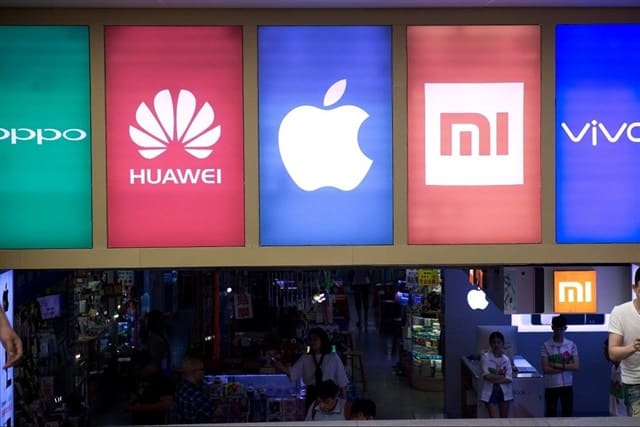
Chinese brands including Xiaomi, Oppo, and Vivo are positioning AI functionality as the primary upgrade driver for users on two- to three-year replacement cycles. The approach aims to accelerate refresh rates in a market where consumers have extended device lifespans, reducing annual shipment growth.
Regional Dynamics Reshape Procurement
Asia-Pacific supply chains are adjusting to the memory shortage through a mix of inventory management, component substitution, and supplier negotiation. Brands with stronger purchasing power and deeper vendor relationships are securing allocations, while smaller players face delayed shipments or reduced production runs.
The constraint has created a tiered market dynamic. Premium devices with higher margins receive priority for scarce components, while mid-range and budget models face production cuts or spec downgrades. This allocation pattern could widen the feature gap between price segments, potentially slowing the democratization of advanced capabilities that has characterized the smartphone market over the past decade.
Taiwan-based supply chain participants report that lead times for memory components have extended by several weeks compared to early 2026, with pricing firming as demand outpaces supply. The tightness is expected to persist through the fourth quarter, affecting holiday season inventory planning.
What Comes Next
The memory shortage will test whether AI features can sustain consumer interest when device availability becomes constrained. Brands may need to choose between delaying launches, reducing shipment targets, or accepting higher component costs that compress margins.
Longer term, the episode underscores the smartphone industry's continued vulnerability to component supply volatility. Despite years of supply chain diversification efforts following pandemic-era disruptions, a single category of components can still limit production across the entire sector.
How quickly Chinese memory suppliers can scale quality and secure design wins will influence competitive dynamics through 2027. If Apple or Samsung proceed with qualification, it would validate Chinese manufacturing capabilities and potentially accelerate adoption across the broader industry.
RELATED STORIES
GlobalFoundries Positions Itself as US Chip Sovereignty Cornerstone Amid Subsidy Push
Cheng Wei-Lun · 4 min

Asia's Memory Makers Shift Focus as DRAM Margins Challenge HBM Dominance
Cheng Wei-Lun · 4 min

SK Hynix Eyes Stake Sale in $3 Billion China Packaging Facility
Cheng Wei-Lun · 2 min

GlobalFoundries Posts Stronger Second-Quarter Results on AI Optics Demand
Cheng Wei-Lun · 4 min
Spot something wrong? Email editor@briefasia.com. We log every correction publicly.