Asia · Politics
Manila Runs Wider Deficit Yet Stays Under Target as Revenue Climbs Faster Than Spending
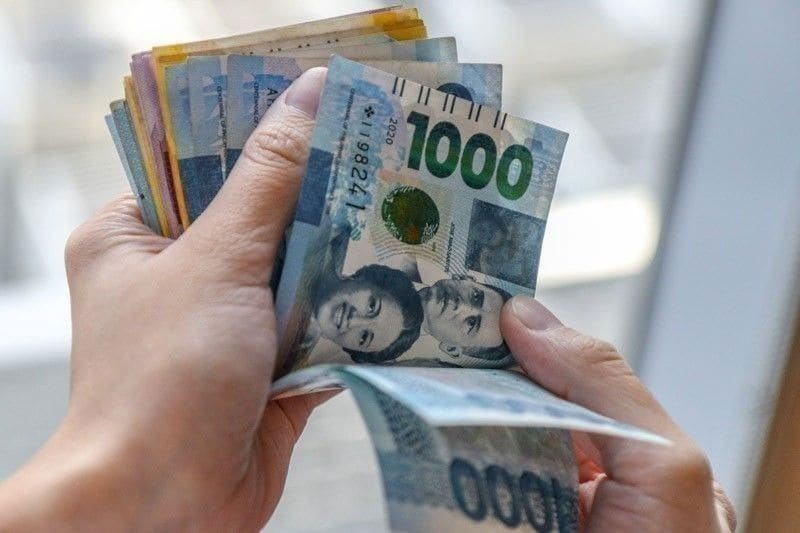
The Philippines recorded a P786.8 billion budget shortfall in the first six months, up 2.8 percent year-on-year, though fiscal discipline kept the gap below programmed levels amid stronger tax collection.
KEY TAKEAWAYS
- ·The Philippines recorded a P786.8 billion budget deficit in the first half of 2026, an increase of 2.8 percent from P765.5 billion in the same period last year.
- ·Revenue collection growth outpaced government expenditure, keeping the deficit below the programmed ceiling and reflecting improved tax administration and digital collection platforms.
- ·The second half will test fiscal discipline as global electronics demand softens and domestic bond market capacity faces pressure from higher public borrowing needs.
Fiscal Position Holds Despite Higher Shortfall
The Philippines closed the first half of 2026 with a budget deficit of P786.8 billion, marking a modest expansion from the P765.5 billion recorded in the same period last year, according to data from the Bureau of the Treasury. The 2.8 percent increase signals continued fiscal accommodation, yet the shortfall remained comfortably within the government's programmed threshold, underscoring a balance between stimulus and restraint as Manila navigates an uneven regional recovery.
The deficit's containment reflects a fundamental shift in the country's fiscal dynamics: revenue collection advanced at a faster clip than public expenditure over the six-month period. That divergence is notable across Southeast Asia, where several neighbors have struggled to rein in spending without sacrificing infrastructure and social outlays. The Philippines, by contrast, has leaned on tax administration reforms and digital collection platforms to widen its revenue base, even as it maintained capital spending on transport, energy, and climate adaptation projects.
Manila's ability to keep the deficit below target offers a window into the efficacy of recent policy adjustments. The Bureau of Internal Revenue and Bureau of Customs have both rolled out automation initiatives, including real-time transaction monitoring and electronic invoicing mandates, which have reduced leakage and improved compliance. These measures have proven especially effective in capturing value-added tax from digital services and e-commerce, sectors that expanded rapidly during and after the pandemic but historically eluded efficient taxation.
Revenue Drivers and Structural Gains
The acceleration in revenue growth stems from multiple channels. Personal income tax receipts have climbed on the back of formal employment gains, particularly in business process outsourcing, logistics, and construction. Corporate tax collections have also firmed, supported by stronger manufacturing activity tied to supply-chain diversification out of China. The Philippines has attracted investment in electronics assembly, semiconductor packaging, and component fabrication, all of which generate taxable profits and import duties.
Excise taxes on fuel and tobacco have contributed incremental revenue, though their growth rate has moderated as consumption patterns stabilize. The government has resisted calls to further raise sin-tax rates, wary of the political and inflationary costs, and has instead focused on broadening the tax net to include previously informal sectors. Property transaction taxes have also risen, reflecting sustained activity in residential and commercial real estate, especially in Metro Manila, Cebu, and Davao.
Non-tax revenue, including dividends from state-owned enterprises and fees from telecommunications spectrum auctions, provided additional cushion. The National Government's equity stake in profitable corporations such as the Philippine Amusement and Gaming Corporation and the Philippine Ports Authority yielded higher remittances in the first half, driven by post-pandemic volume recoveries and operational efficiency gains.
Expenditure Discipline and Capital Allocation
On the spending side, the government has exercised measured discipline. While aggregate disbursements increased in nominal terms, the pace of growth lagged behind revenue expansion, producing the narrower-than-programmed deficit. Personnel services and maintenance outlays rose in line with inflation and cost-of-living adjustments for civil servants, but capital expenditure growth was more selective, with priority given to projects with high economic multipliers and climate resilience benefits.
Infrastructure spending remained robust, channeled into flagship initiatives such as the Metro Manila Subway, inter-island bridges, and flood-control systems in typhoon-prone provinces. The government also accelerated disbursements for rural electrification and broadband rollout, recognizing that digital connectivity is now a precondition for inclusive growth. Social spending held steady, with continued allocations for health insurance subsidies, conditional cash transfers, and education technology upgrades, though no major new programs were launched during the period.
Interest payments on public debt absorbed a growing share of the budget, reflecting both higher outstanding debt levels and a rising interest-rate environment. The Bangko Sentral ng Pilipinas has kept policy rates elevated to manage inflation expectations, which in turn has increased the cost of servicing domestic bonds. External debt service remained manageable, aided by a relatively stable peso and favorable terms on concessional loans from multilateral lenders.
Regional Fiscal Context and Policy Outlook
The Philippines' fiscal performance sits in the middle of the Southeast Asian spectrum. Indonesia and Thailand have also posted wider deficits in the first half, driven by energy subsidies and rural stimulus measures, while Vietnam has pursued a tighter stance, concerned about debt sustainability amid slower export growth. Singapore continues to run a surplus, supported by investment income and land sales, though it has signaled readiness to draw on reserves if growth falters.
Manila's ability to keep the deficit below target without resorting to sharp spending cuts or tax hikes reflects a pragmatic approach. The government has signaled that it will maintain fiscal support for growth in the near term, while working toward a medium-term consolidation path that would bring the deficit-to-GDP ratio down to 3 percent by 2028. That timeline assumes continued revenue buoyancy, stable borrowing costs, and no major external shocks.
Investor sentiment toward Philippine sovereign debt remains cautiously positive. Local-currency bond yields have ticked up in recent months, reflecting global risk-off sentiment and concerns about US monetary policy, but spreads on dollar-denominated bonds have held relatively steady. Credit rating agencies have affirmed the country's investment-grade status, citing improving revenue collection and prudent debt management, though they have also flagged risks related to political transitions and external vulnerabilities.
Monitoring Points for the Second Half
The trajectory of the deficit in the second half will depend on several variables. Revenue collection will be tested by the global electronics cycle, which has shown signs of softening, and by domestic consumption trends, which remain sensitive to inflation and remittance flows. The government has budgeted for higher spending in the fourth quarter, traditionally a period of accelerated disbursement as agencies race to meet annual targets, which could widen the deficit if revenue growth slows.
Debt issuance plans will also bear watching. The Bureau of the Treasury has indicated it will lean more heavily on domestic borrowing to reduce exposure to exchange-rate risk, but that strategy depends on sustained demand from local banks and institutional investors. Any signs of investor fatigue or liquidity tightness in the domestic bond market could force the government to tap external markets at higher costs or scale back expenditure plans.
Fiscal policy remains a key pillar of the Philippines' economic strategy, balancing the need for short-term support with the imperative of long-term sustainability. The first-half numbers suggest that balance is holding, but the margin for error is narrowing as global headwinds gather and domestic political cycles approach. How Manila navigates the second half will offer important signals about its fiscal credibility and growth prospects heading into 2027.
RELATED STORIES

Philippine Water Operator Earmarks $400 Million for Southeast Asia Expansion
Mariel D. Santos · 2 min

Philippines Energy Budget Climbs 26% as Electric Vehicle Funding Surges
Priyanka V. Rao · 3 min
Philippine Nickel Miners Push for Unified Policy Framework as Critical Minerals Race Intensifies
Priyanka V. Rao · 3 min
Philippine Economic Zones Pull Record ₱216 Billion in Eight Months
Priyanka V. Rao · 3 min
Spot something wrong? Email editor@briefasia.com. We log every correction publicly.