Asia · Trade
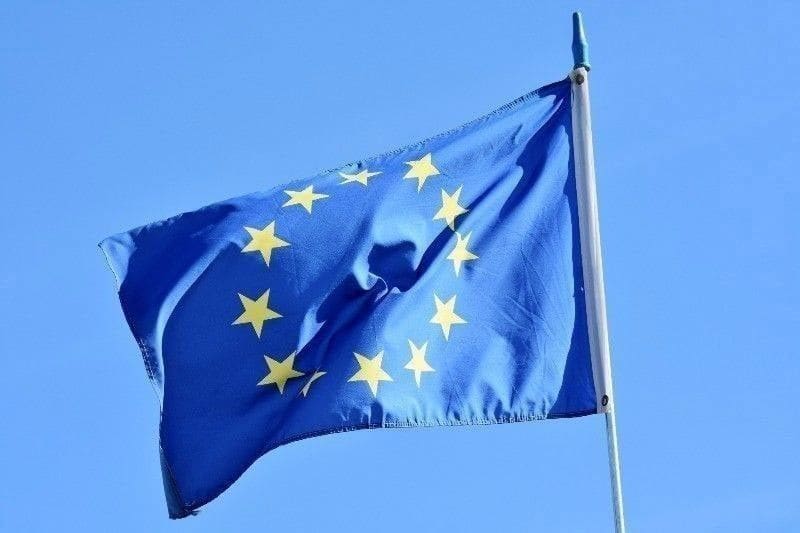
Manila Pushes to Close EU Trade Pact Before ASEAN Summit
Philippines aims to finalize free trade negotiations with the European Union by November, with agriculture sector compromises still under discussion
KEY TAKEAWAYS
- ·The Philippines aims to finalize EU free trade negotiations by November, coinciding with Manila's hosting of the ASEAN Summit, after the seventh round ended without agreement.
- ·Agriculture sector access remains the primary unresolved issue, though negotiators have developed a compromise and cleared a separate hurdle on government procurement through a phased approach.
- ·Manila is simultaneously pursuing trade pacts with Canada, Chile, and India, part of a regional strategy to diversify export markets beyond China and the United States.
Deadline Driven by Regional Diplomacy
The Philippines is racing to finalize a free trade agreement with the European Union before November, when Manila hosts the Association of Southeast Asian Nations Summit. Trade Secretary Cristina Roque told reporters the government hopes to announce the conclusion of negotiations during the regional gathering, using the high-profile event as a platform to signal deeper economic integration between Southeast Asia and Europe.
The timeline represents a shift from earlier expectations. Negotiators initially targeted June or July for completion, but the seventh round of talks, held from June 29 to July 3, ended without a deal. The impasse centers on agriculture, a sector that has proven contentious in trade negotiations across the region as governments balance export opportunities against domestic producer concerns.
Agriculture Compromise in the Works
Roque confirmed that negotiators have developed a compromise on agricultural market access, though she declined to disclose details, citing confidentiality protocols typical of trade negotiations. She emphasized close coordination with Agriculture Secretary Francisco Tiu Laurel Jr. to resolve the outstanding issues.
The agriculture sector often emerges as a sticking point in Asia-Europe trade talks. European negotiators typically seek expanded access for dairy, pork, and processed foods, while Asian counterparts protect rice, poultry, and other politically sensitive commodities. The Philippines, with a large rural population dependent on farming, faces domestic pressure to shield certain products from import surges.
Beyond agriculture, negotiators have cleared another hurdle related to government procurement. Roque said both sides agreed to a phased approach for opening public tenders to foreign bidders, marking the first time the Philippines has included procurement chapters in a trade agreement. The phased structure allows Manila to gradually expose state contracts to competition while building administrative capacity to manage the new system.
Regional Trade Push Accelerates
The EU negotiation is part of a broader trade offensive by the Philippines. According to Trade Undersecretary Allan Gepty, Manila also expects to wrap up free trade talks with Canada and Chile, as well as a preferential trade arrangement with India, before year-end. The Canada FTA is likewise targeted for conclusion by November.
This multi-track strategy reflects a regional pattern. Southeast Asian economies, long reliant on China and the United States as export destinations, are diversifying trade relationships to hedge against geopolitical volatility. The EU represents a market of roughly 450 million consumers with high purchasing power, appealing to Philippine exporters of electronics, garments, and business process services.
For the EU, trade pacts in Southeast Asia offer supply chain alternatives as the bloc seeks to reduce dependence on Chinese manufacturing. Brussels has already concluded agreements with Vietnam and Singapore, and negotiations with Indonesia and Thailand are advancing.
Timeline and Next Steps
Roque reiterated that both sides aim to complete negotiations this year and sign the agreement in 2027, keeping the process on track despite the missed mid-year deadline. The exact schedule for the eighth negotiating round has not been announced, but officials suggest talks will resume in the coming weeks to allow sufficient time for legal review and translation before a potential November announcement.
Trade agreements of this scope typically require several months between the conclusion of negotiations and formal signature, as legal teams scrub text in multiple languages and governments seek legislative or cabinet approvals. If Manila and Brussels do announce a deal in November, the actual signing would likely occur in early 2027, followed by ratification processes in both jurisdictions.
The Philippines has been expanding its network of trade agreements in recent years, moving beyond its longstanding reliance on ASEAN frameworks and bilateral ties with major partners like Japan and South Korea. The push reflects a calculation that deeper integration into global value chains will support the country's ambitions to reach upper-middle-income status and attract higher-value manufacturing and services investment.
Whether the November deadline proves realistic will depend on how quickly negotiators can finalize the agriculture compromise and resolve any remaining technical issues. With both sides publicly committed to a 2026 conclusion, the next few months will test their ability to bridge the gap.
RELATED STORIES

Philippine Water Operator Earmarks $400 Million for Southeast Asia Expansion
Mariel D. Santos · 2 min
Philippine Economic Zones Pull Record ₱216 Billion in Eight Months
Priyanka V. Rao · 3 min

Philippines Energy Budget Climbs 26% as Electric Vehicle Funding Surges
Priyanka V. Rao · 3 min
Philippine Nickel Miners Push for Unified Policy Framework as Critical Minerals Race Intensifies
Priyanka V. Rao · 3 min
Spot something wrong? Email editor@briefasia.com. We log every correction publicly.