Asia · Trade
Malaysian Plantation Stocks Rise as Broader Market Falls on US Tariff News
Palm oil exemptions shield sector while benchmark index drops 0.79% amid trade tensions and oil price surge
KEY TAKEAWAYS
- ·Bursa Malaysia's Plantation Index rose 0.7% to 9,300.98 while the FBM KLCI fell 0.79% to 1,701.02 on Friday.
- ·The US imposed a 10% tariff on Malaysian goods but exempted selected palm oil products, tropical wood and other key exports.
- ·Brent crude surged past $100 per barrel on Middle East tensions, prompting investors to rotate into defensive sectors like plantations and commodities.
Defensive Shift
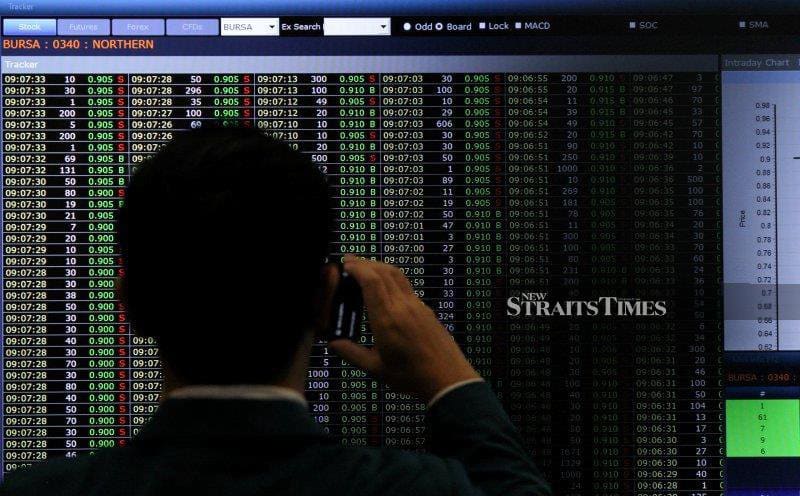
Plantation stocks emerged as the preferred defensive play on Bursa Malaysia Friday, advancing even as the benchmark index retreated under pressure from fresh US trade measures and geopolitical risk.
The Bursa Malaysia Plantation Index added 60.71 points to close at 9,300.98, a gain of 0.7%. Nearly half the Main Market plantation constituents posted gains, with SD Guthrie, Johor Plantations Group and TSH Resources among the session leaders. Transportation and logistics rose 0.42%, while the REIT index edged up 0.16%.
The broader FBM KLCI fell 13.57 points to 1,701.02, down 0.79%. Decliners outnumbered gainers 731 to 331 across 2.94 billion shares traded worth RM2.31 billion.
Tariff Impact
The US imposed a 10% tariff on Malaysian goods Friday under Section 301 of the Trade Act of 1974, citing enforcement gaps related to forced labor import bans. Malaysia was among 18 countries targeted, including Canada, India, Indonesia, Mexico and the United Kingdom. The measures replaced a temporary global tariff introduced earlier in 2025.
Key exemptions softened the blow for Malaysia. Oil and gas, fertilizers, selected food products and items already under national security tariffs - steel, aluminium, copper and automobiles - were excluded. Malaysia-specific carve-outs covered selected palm oil products, tropical wood and plywood, rattan goods, silk and precious stones.
The exemptions explain why plantation stocks outperformed. Palm oil, a core export, retained preferential treatment even as other sectors faced new friction.
Oil and Sentiment
Brent crude surged past $100 per barrel Friday on escalating Middle East tensions, raising concerns that higher energy costs could stoke inflation and delay central bank rate cuts. The oil spike compounded pressure from a technology-led sell-off on Wall Street the previous session.
Banking, industrial, consumer and telecommunications stocks bore the brunt of the selling as investors trimmed risk exposure.
IPPFA director of investment strategy and country economist Mohd Sedek Jantan noted that Bursa Malaysia has shown greater resilience than during April's oil price spike. When Brent climbed to around $103 in April, the FBM KLCI dropped to approximately 1,676 points. This time, the benchmark held above 1,700, suggesting firmer underlying support from improved domestic fundamentals and institutional participation.
Technical and Tactical
From a technical standpoint, the FBM KLCI remains in an uptrend, trading above its four major moving averages. Immediate support sits at 1,700 to 1,705, with a stronger floor at 1,695 to 1,698 if that range breaks.
Mohd Sedek expects sector rotation toward defensive areas - healthcare, commodities and oil and gas - as investors seek earnings resilience amid volatility. Investors will also watch the US Federal Reserve's July 28-29 policy meeting for signals on the interest rate path and monitor Middle East developments closely.
The plantation index's outperformance Friday underscores a tactical shift: when macro headwinds intensify, investors in Southeast Asia's equity markets gravitate toward commodities with structural export demand and policy shelter. Palm oil, shielded by exemptions and supported by tight global vegetable oil supply, fits that profile. Whether that defensive posture holds depends on how long crude stays elevated and whether Washington's tariff stance widens or stabilizes.
RELATED STORIES

Penang Captures 34% of Malaysia's Manufacturing Investment in First Half
Anand Sundaram · 2 min
Malaysia's Petronas Reports Steady Earnings Amid Energy Security Push
Priyanka V. Rao · 2 min
Malaysia's July Trade Surge Points to Strengthening Regional Demand
Priyanka V. Rao · 3 min
Malaysia's Rare Earth Deposits Draw Foreign Interest Ahead of China Export Controls
Priyanka V. Rao · 3 min
Spot something wrong? Email editor@briefasia.com. We log every correction publicly.