Asia · Trade
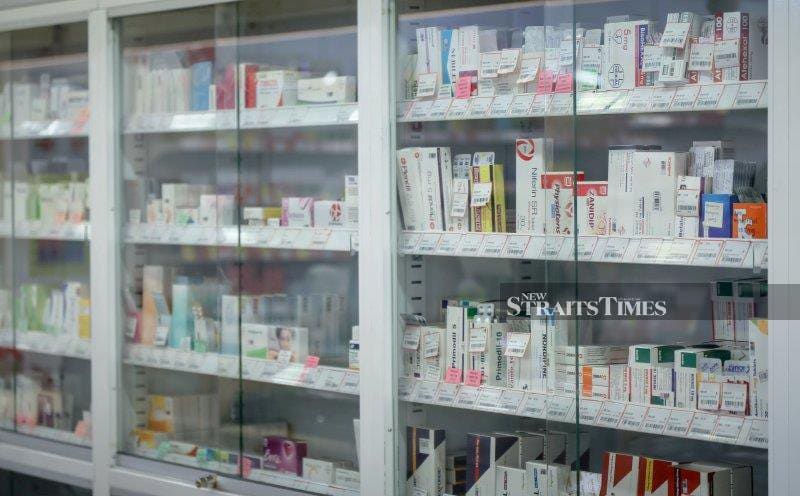
Malaysia Braces for Ripple Effects from US Generic Drug Tariff Plan
Washington's proposal to impose up to 200 percent tariffs on imported pharmaceuticals threatens to disrupt supply chains across Asia, even in markets with minimal direct exposure.
KEY TAKEAWAYS
- ·The United States plans tariffs up to 200 percent on imported generic medicines after a two-year grace period, aiming to reshore pharmaceutical production.
- ·Malaysia exports roughly 15 percent of its pharmaceutical output to the US, but indirect effects from supply chain shifts and cost pressures may prove more significant.
- ·Industry leaders and health officials are monitoring for potential disruptions in active ingredient supplies and medicine availability, urging stronger local manufacturing and resilient procurement policies.
Supply Chain Concerns Mount
Malaysia's pharmaceutical sector is preparing for potential aftershocks from a US policy proposal that would levy tariffs as high as 200 percent on imported generic medicines. While direct exports from Malaysia to the United States represent roughly 15 percent of the country's pharmaceutical shipments, industry leaders warn that the real threat lies in how global manufacturers will reconfigure production networks and sourcing strategies in response.
The policy framework includes a two-year grace period with zero tariffs, followed by staged increases to 100 percent and eventually 200 percent. Washington has framed the measure as an incentive to bring pharmaceutical manufacturing back to American soil, but the plan has triggered concern across Asian production hubs that supply active pharmaceutical ingredients and finished medicines to global markets.
No Immediate Alarm for Patients
Private hospital operators in Malaysia have signaled that patient care remains unaffected for now. Kuljit Singh, president of the Association of Private Hospitals Malaysia, acknowledged that trade restrictions and geopolitical friction typically drive up operating expenses and complicate logistics, but emphasized that medical facilities are not facing urgent supply shortages.
Private hospitals are coordinating with suppliers and distribution partners to track developments and maintain steady access to essential medications, Singh noted. The sector's immediate priority is ensuring continuity of care while monitoring how the tariff structure unfolds and whether it prompts shifts in manufacturer behavior.
Competitive Pressures and Cost Risks
Azrul Mohd Khalib, chief executive of the Galen Centre, highlighted the vulnerability of Malaysian exporters with significant revenue tied to the US market. Once the full tariff schedule takes effect, companies reliant on American buyers could face steep commercial headwinds that erode margins and force difficult strategic choices.
Beyond direct exposure, Azrul pointed to the risk of intensified competition if multinational pharmaceutical firms redirect output, capital investment, and production capacity toward other regions. Such realignment could squeeze Malaysian manufacturers and fragment established supply relationships that have taken years to build.
He also raised the prospect of higher medicine prices domestically if global producers prioritize markets with stronger profit potential or if rising input costs flow through the value chain. Recent disruptions linked to armed conflict near the Strait of Hormuz have already illustrated how quickly external shocks can translate into cost pressure, Azrul said.
His recommendation: Malaysia should deepen its local manufacturing base and adopt procurement policies that weigh supply security and resilience alongside price considerations, rather than defaulting to the lowest bid.
Interconnected Systems, Indirect Shocks
Thirunavukarasu Rajoo, president of the Malaysian Medical Association, said it remains premature to quantify the precise impact on medicine affordability or availability in Malaysia. Yet he underscored that pharmaceutical supply chains are tightly interwoven across borders, meaning cost increases or bottlenecks in active ingredient production can cascade through multiple tiers of the distribution network.
How global manufacturers adjust their footprints and whether they reprioritize certain markets over others will determine the extent of any fallout for Malaysia, Thirunavukarasu explained. He called for close surveillance to catch early warning signs of supply stress before they reach hospital pharmacies and clinics.
While no widespread shortages have emerged so far, the association is urging proactive collaboration among regulators, healthcare providers, and manufacturers to navigate a potentially more fragmented global pharmaceutical trade environment.
Ministry and Industry Response
Thirunavukarasu welcomed ongoing efforts by Malaysia's Health Ministry to strengthen supply chain resilience, including continuous monitoring of international developments and regular engagement with industry stakeholders. He stressed that trade policies, regardless of their economic or geopolitical rationale, must not undermine patient access to safe, effective, and affordable medicines.
Pharmaniaga, a major Malaysian pharmaceutical manufacturer, confirmed it does not currently ship products to the United States and therefore expects no direct hit from the tariff regime. Managing director Zulkifli Jafar acknowledged, however, that the company's suppliers and vendors could face indirect pressure, which might ripple into costs, lead times, or material availability.
The company plans to review sourcing arrangements, identify backup suppliers, and maintain buffer inventory for critical inputs to safeguard continuity, Zulkifli said. Pharmaniaga is also continuing to invest in domestic pharmaceutical and biopharmaceutical manufacturing capacity as part of a broader strategy to bolster Malaysia's medicine security and reduce dependence on volatile global supply chains.
What Comes Next
The two-year transition window offers a buffer for industry adjustment, but uncertainty remains high. Manufacturers across Asia are weighing whether to absorb higher costs, shift production, or pursue new partnerships to preserve market access. For Malaysia, the challenge will be balancing competitive pressure with the need to ensure stable, affordable medicine supplies for its population.
Trade dynamics in the pharmaceutical sector have always been sensitive to policy shifts, but the scale of the proposed US tariffs represents a new order of magnitude. As global supply networks recalibrate, Malaysia's ability to secure critical inputs, retain investment, and maintain healthcare affordability will hinge on agile policy responses and deeper collaboration between government, industry, and healthcare providers.
RELATED STORIES
Malaysia's Petronas Reports Steady Earnings Amid Energy Security Push
Priyanka V. Rao · 2 min
Malaysia's Rare Earth Deposits Draw Foreign Interest Ahead of China Export Controls
Priyanka V. Rao · 3 min
Penang Captures 34% of Malaysia's Manufacturing Investment in First Half
Anand Sundaram · 2 min
Malaysia's July Trade Surge Points to Strengthening Regional Demand
Priyanka V. Rao · 3 min
Spot something wrong? Email editor@briefasia.com. We log every correction publicly.