Asia · Business
Japan's Tax Revenues Reach ¥84 Trillion on Wage Growth and Inflation
Record fiscal 2025 collections driven by rising corporate earnings and consumption as inflationary pressures lift nominal economic activity
KEY TAKEAWAYS
- ·Japan's tax revenues reached a record ¥84 trillion in fiscal 2025, driven by higher wages, corporate profits, and inflation-lifted consumption values.
- ·Personal income tax collections surged as tight labor markets forced companies to grant significant pay raises across sectors.
- ·The revenue windfall provides fiscal headroom as Japan faces rising debt servicing costs and demographic pressures from an aging population.
Record Revenue Year
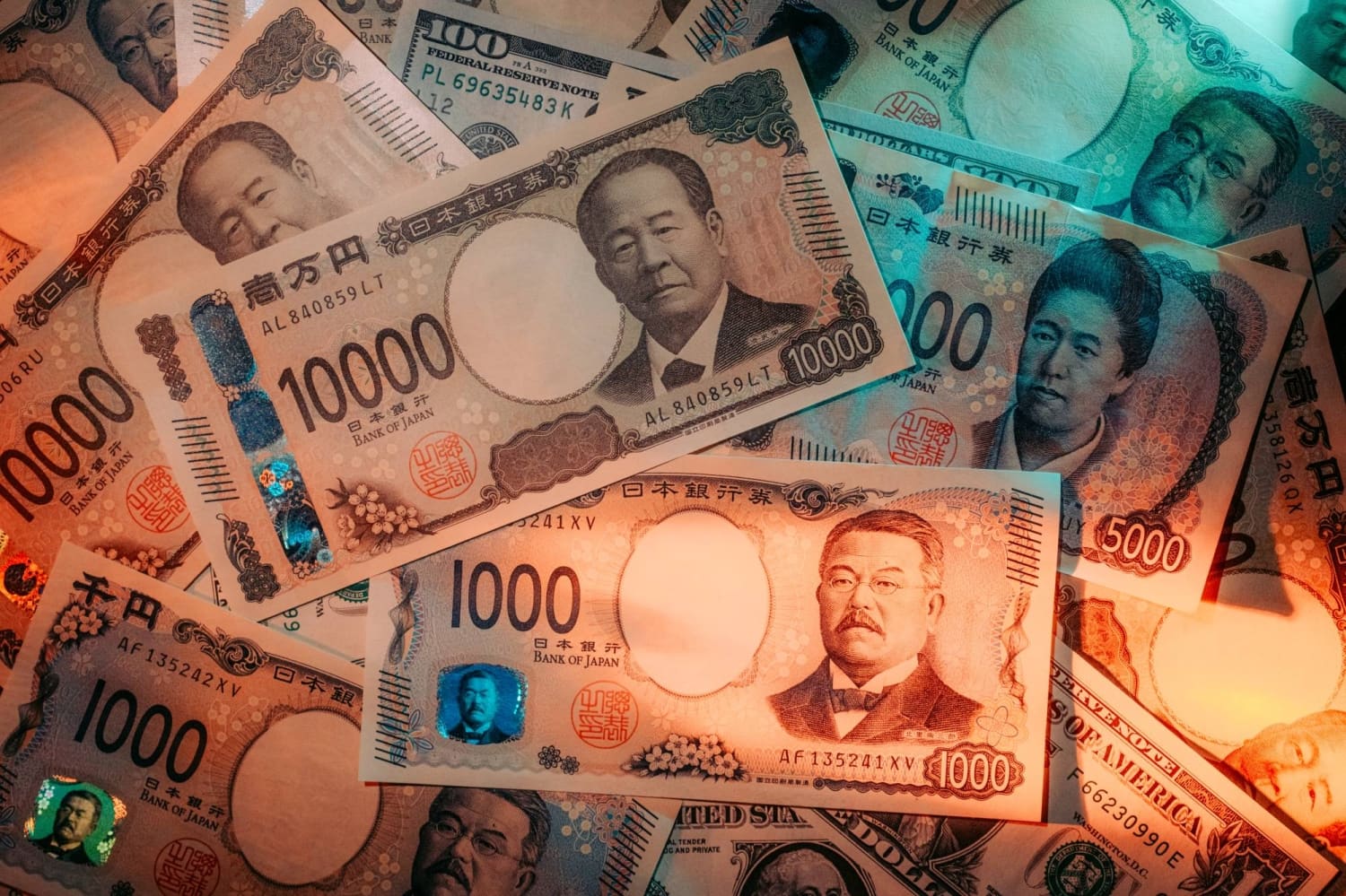
Japan's tax collections climbed to an unprecedented ¥84 trillion during fiscal 2025, marking the highest level in the country's history. The surge reflects a confluence of economic forces: rising wages, stronger corporate earnings, and higher nominal consumption as inflation lifts the value of transactions across the economy.
The fiscal year, which ended in March 2025, captured a period when Japan's labor market tightened significantly, pushing companies to raise salaries at rates not seen in decades. At the same time, corporate profits remained robust despite global supply chain pressures and elevated energy costs, contributing to higher income and corporate tax receipts.
Wage Growth Fuels Personal Income Tax
Personal income tax collections benefited directly from wage increases that spread across sectors during the year. Major manufacturers, service companies, and small enterprises alike granted pay raises in response to labor shortages and union negotiations that emphasized real wage protection against inflation.
The tight labor market, with unemployment hovering near historic lows, gave workers greater bargaining power. Many firms also expanded bonuses and overtime pay as order books remained full and production schedules stretched capacity. These dynamics translated into higher taxable income for millions of households, swelling the personal income tax base.
Corporate Earnings Hold Steady
Corporate tax revenues remained strong throughout the fiscal year, supported by resilient earnings in key industries. Automotive manufacturers, semiconductor equipment makers, and chemical producers reported solid profits despite headwinds from raw material costs and yen volatility.
Financial institutions also contributed to the corporate tax take, as interest rate adjustments by the Bank of Japan improved net interest margins for regional and city banks. Export-oriented companies benefited from sustained demand in North America and parts of Asia, while domestic demand held up better than many analysts had forecast at the start of the fiscal year.
Consumption Tax Reflects Inflation Impact
Consumption tax receipts rose in tandem with the nominal value of household spending. While inflation eroded purchasing power in real terms, the higher price levels on goods and services meant that each transaction generated more tax revenue. Food, energy, and durable goods all saw price increases that fed through to the consumption tax line.
Retail sales data for the fiscal year showed modest volume growth but significant value growth, a pattern consistent with an inflationary environment. The government's consumption tax, levied at a standard rate of ten percent on most goods and services, captured this uplift in nominal spending.
Fiscal Implications
The record tax haul provides the Ministry of Finance with additional fiscal headroom at a time when debt servicing costs have begun to rise. Japan's gross public debt remains the highest among advanced economies relative to GDP, and the shift away from ultra-low interest rates has increased the cost of rolling over government bonds.
Higher revenues may allow policymakers to slow the pace of new bond issuance or direct additional funds toward social security programs, infrastructure investment, or defense spending. The government has signaled interest in maintaining fiscal discipline while addressing demographic pressures from an aging population and rising healthcare costs.
Looking Ahead
Tax revenue performance in fiscal 2026 will hinge on whether wage growth continues, corporate profits remain stable, and inflation moderates without collapsing nominal demand. The Bank of Japan's policy stance, global economic conditions, and domestic consumption patterns will all shape the trajectory.
If wage increases become entrenched and productivity gains support them, Japan may sustain elevated tax revenues without relying solely on inflation. However, any sharp slowdown in corporate earnings or consumer spending could quickly reverse the recent gains, leaving the government with less fiscal flexibility than the current numbers suggest.
RELATED STORIES

Berkshire Hathaway Eyes Larger Stakes in Japan's Top Trading Houses
Cheng Wei-Lun · 3 min

Honda Demands 30% Price Cuts From Suppliers in $9.4 Billion Cost Plan
Cheng Wei-Lun · 3 min
Japan's 10-Year Bond Yield Breaches 3% for First Time Since 1996
Aiko Nakamura · 4 min

Japan Wage Growth Hits 29-Year High, Reinforcing Central Bank Rate Path
Aiko Nakamura · 3 min
Spot something wrong? Email editor@briefasia.com. We log every correction publicly.