Finance · Markets
Japan Eyes Retail Investors to Support Rising Bond Yields
With 10-year JGB yields nearing 3%, Tokyo seeks to broaden its funding base beyond institutional buyers
KEY TAKEAWAYS
- ·Japan's 10-year government bond yield has approached 3%, prompting Tokyo to seek broader retail investor participation in its debt market.
- ·The government aims to reduce reliance on institutional buyers and the Bank of Japan as monetary policy normalizes and yields rise.
- ·Success depends on improving market access, competing with alternative investments, and managing fiscal risks as debt servicing costs increase.
Yields Climb to Multi-Year Highs
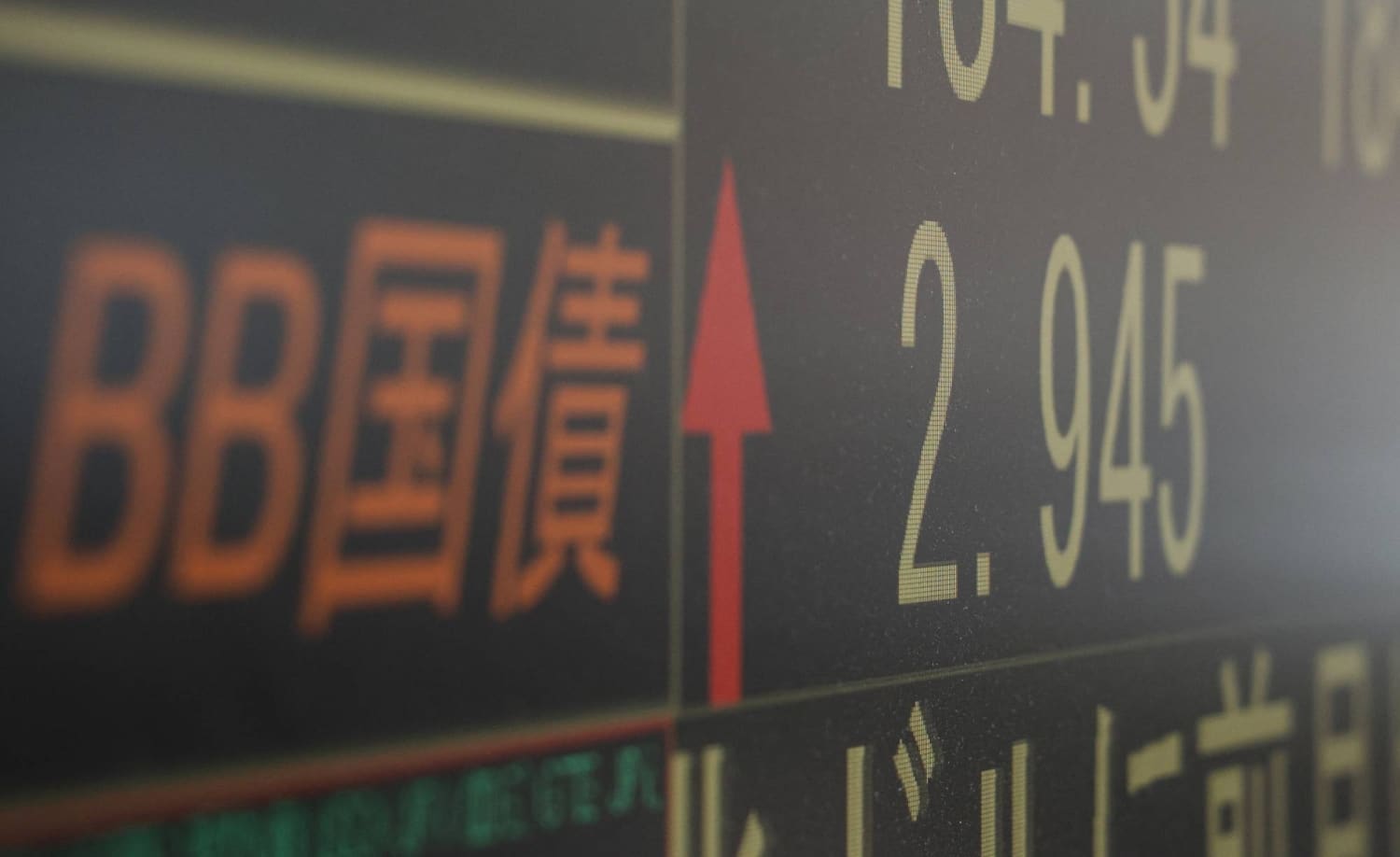
Japan's 10-year government bond yield has approached the 3% threshold, a level not seen in over a decade. The rise reflects broader shifts in the country's monetary policy environment as the Bank of Japan continues to normalize rates after years of ultra-loose stimulus.
For Tokyo, the yield increase presents both challenge and opportunity. Higher borrowing costs strain public finances, but they also create a window to diversify the investor base that funds the world's largest government debt pile.
Push to Broaden the Buyer Base
The Japanese government is now actively working to make its debt more attractive to retail investors. For years, the JGB market has been dominated by institutional players: banks, insurers, pension funds, and the Bank of Japan itself. Individual investors have remained largely on the sidelines, deterred by rock-bottom yields that offered little real return.
That calculus is changing. With yields climbing, bonds are beginning to compete more credibly with savings accounts and other low-risk retail products. The government sees an opportunity to tap household savings, which remain substantial despite decades of deflation and stagnation.
Officials are exploring ways to lower barriers to entry for individual buyers. This includes simplifying purchase mechanisms, enhancing accessibility through digital platforms, and potentially introducing retail-focused bond products with features tailored to household investors.
Why the Shift Matters Now
Japan's debt-to-GDP ratio exceeds 260%, the highest among major economies. Servicing that debt becomes more expensive as yields rise. Broadening the investor base reduces reliance on any single buyer segment and can help stabilize demand during periods of market stress.
The Bank of Japan, which accumulated massive JGB holdings during its quantitative easing program, is gradually reducing its footprint in the market. That leaves a gap to be filled. Encouraging retail participation could help absorb supply without triggering volatility or forcing yields even higher.
Retail investors also tend to hold bonds longer than institutional traders, adding a layer of stability to the market. For a government rolling over trillions of yen in debt each year, predictable demand is a strategic asset.
Regional Context
Japan is not alone in courting individual bond buyers. South Korea and Taiwan have long maintained active retail JGB markets, supported by tax incentives and user-friendly distribution channels. Singapore's government securities program includes retail tranches that regularly attract strong demand from households.
In Japan, however, retail bond ownership has historically been minimal. Cultural factors, financial literacy gaps, and the long period of near-zero yields all played a role. Reversing that trend will require both market conditions and policy support to align.
Challenges Ahead
Higher yields make bonds more attractive, but they also raise questions about fiscal sustainability. If rates continue climbing, Japan's debt servicing costs could balloon, forcing difficult trade-offs between spending priorities and fiscal discipline.
There is also no guarantee that retail investors will flock to JGBs, even at 3%. Equity markets, real estate, and foreign assets may offer more compelling risk-adjusted returns, especially if inflation remains elevated. The government will need to compete not just on yield, but on trust, convenience, and long-term value.
Market infrastructure will also need upgrading. Many retail investors lack direct access to bond markets and must rely on intermediaries. Streamlining that process, reducing fees, and building educational resources will be critical to any large-scale retail push.
The Path Forward
Tokyo's focus on retail investors reflects a pragmatic response to a shifting rate environment. As the era of free money ends, Japan must rethink how it funds its obligations. Household savings represent a vast, largely untapped pool of domestic capital.
Whether retail investors embrace JGBs in meaningful numbers remains to be seen. But with yields at their highest in years and the government signaling intent, the conditions for a shift are in place. The coming months will test whether Japan can turn rising rates into a funding advantage.
RELATED STORIES
Japan Plans to Raise Assumed Bond Rate to 3.8% by Fiscal 2027
Aiko Nakamura · 3 min
Japanese Companies Expand Currency Hedges as Yen Weakness Persists
Aiko Nakamura · 3 min

Japan's Core Inflation Picks Up in July, Setting Stage for September Rate Move
Aiko Nakamura · 2 min
SoftBank Pursues Record $6.3 Billion Retail Bond Offering in Japan
Cheng Wei-Lun · 3 min
Spot something wrong? Email editor@briefasia.com. We log every correction publicly.