Finance · Banking
Japan's FSA Plans Dedicated Inspection Office After Regional Credit Scandals
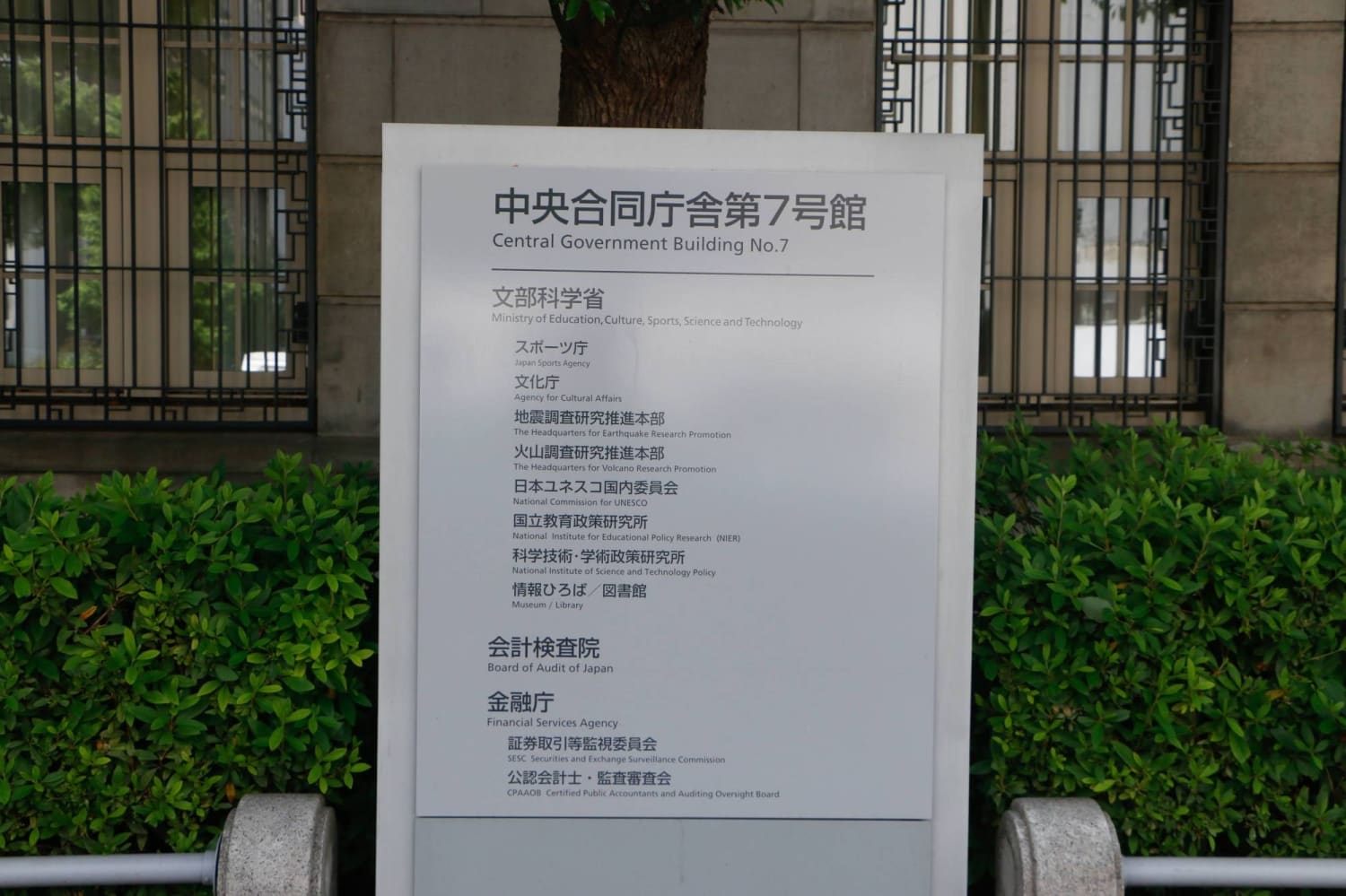
The Financial Services Agency is preparing a new oversight unit to strengthen supervision of financial institutions following governance failures at regional cooperatives.
KEY TAKEAWAYS
- ·Japan's Financial Services Agency is creating a dedicated inspection office to monitor regional credit cooperatives after multiple governance scandals exposed oversight gaps.
- ·Regional cooperatives face lighter scrutiny than major banks despite managing significant household and small business savings across local communities.
- ·The new office will likely increase inspection frequency and compliance costs for smaller institutions while testing whether stricter oversight can coexist with community lending.
Regulatory Overhaul in Motion
Japan's Financial Services Agency is moving to establish a dedicated inspection office, a direct response to governance breakdowns that have rocked regional credit cooperatives across the country. The planned unit represents a structural shift in how Tokyo monitors smaller financial institutions that serve local communities but have historically faced lighter scrutiny than major banks.
The decision reflects mounting concern within the FSA that existing oversight mechanisms failed to detect or prevent misconduct at regional cooperatives, institutions that manage billions of yen in savings for households and small businesses. While the agency has not disclosed a timeline for the office's launch, the initiative signals a recognition that current inspection resources are stretched too thin to cover the breadth of Japan's financial system.
Pattern of Lapses
Regional credit cooperatives occupy a critical but often overlooked niche in Japan's financial landscape. Unlike megabanks or regional banks, these member-owned institutions operate with narrower geographic footprints and serve specific communities or occupational groups. Their smaller scale has traditionally meant less frequent regulatory visits and lighter compliance burdens.
That lighter touch became a liability when a string of scandals surfaced over the past eighteen months. Irregularities ranged from inadequate loan documentation and lax internal controls to outright fraud in some cases. The FSA has not publicly detailed every case, but industry observers note that at least four regional cooperatives faced administrative orders or heightened monitoring during the period.
The scandals exposed gaps in the FSA's capacity to conduct thorough, recurring inspections of institutions outside the top tier. Inspectors often relied on periodic self-reporting and limited on-site visits, a model that proved insufficient when governance weakened or management pursued risky practices without board oversight.
Structural Response
Establishing a standalone inspection office is a structural answer to a structural problem. By consolidating inspection personnel and resources under a dedicated unit, the FSA aims to increase the frequency and depth of examinations across regional cooperatives and potentially other mid-tier institutions. The office would operate with a clear mandate: identify emerging risks before they metastasize into systemic issues or consumer harm.
The move also aligns with broader regulatory trends across Asia, where financial authorities in South Korea, Singapore, and Taiwan have beefed up supervisory teams in response to fintech disruption, cross-border capital flows, and heightened consumer protection expectations. Japan's approach is more traditional, focused on brick-and-mortar institutions rather than digital platforms, but the underlying logic is the same: regulators must match their oversight infrastructure to the complexity and diversity of the institutions they supervise.
Implications for the Sector
For regional credit cooperatives, the new office will likely mean more frequent inspections, stricter documentation requirements, and faster enforcement when deficiencies surface. Institutions that have coasted on minimal oversight will need to invest in compliance staff, upgrade risk management systems, and strengthen board governance to meet higher expectations.
The FSA has not indicated whether the inspection office will expand its remit beyond cooperatives. Regional banks, securities firms, and insurance companies could eventually fall under its purview if the agency views the experiment as successful. That possibility has already prompted trade associations to urge the FSA to balance rigor with proportionality, ensuring that smaller institutions are not buried under compliance costs designed for larger players.
Watching the Rollout
Observers will track several variables as the FSA develops the office. Staffing levels will matter: if the agency merely shuffles existing inspectors into a new org chart without adding headcount, the impact may be limited. Budget allocation will signal whether Tokyo views this as a symbolic gesture or a genuine capacity upgrade. And the office's reporting lines within the FSA will determine how quickly it can escalate findings and trigger enforcement action.
The broader test is whether a dedicated inspection unit can restore confidence in regional cooperatives without stifling the local lending and deposit-taking functions they provide. Japan's rural and suburban communities depend on these institutions for credit access that larger banks often decline to offer. Tighter oversight is necessary, but if it raises costs or discourages prudent risk-taking, the cure could create its own economic drag.
For now, the FSA's plan remains in the formative stage. The agency has signaled intent but has yet to publish operational details, staffing plans, or a launch date. What is clear is that the status quo proved inadequate, and Tokyo is responding with institutional muscle rather than incremental fixes.
RELATED STORIES

Japan's Consumer Prices Accelerate in July as BOJ Eyes Further Tightening
Aiko Nakamura · 2 min

L Catterton Eyes Majority Stake in Japanese Wealth Advisory Firm
Cheng Wei-Lun · 3 min
Japan's Core Inflation Climbs to 1.8 Percent in July
Aiko Nakamura · 3 min

US Treasury Buyback Surge Signals Possible Fresh Yen Support
Cheng Wei-Lun · 3 min
Spot something wrong? Email editor@briefasia.com. We log every correction publicly.