Asia · Business
Japan Extends $195 Million Health Loan to the Philippines
Tokyo backs third phase of Manila's universal health care reforms with 11.54 billion peso facility co-financed by JICA and ADB
KEY TAKEAWAYS
- ·Japan has committed 11.54 billion pesos to finance the third phase of the Philippines' Universal Health Care program, co-financed by JICA and the Asian Development Bank.
- ·The loan targets health care financing, service delivery quality, and information management, with new emphasis on climate resilience and gender-specific health concerns.
- ·This marks the third consecutive phase of bilateral health cooperation, building on reforms launched under the 2019 Universal Health Care Act that automatically enrolled all Filipinos in national health insurance.
Third Wave of Health Financing
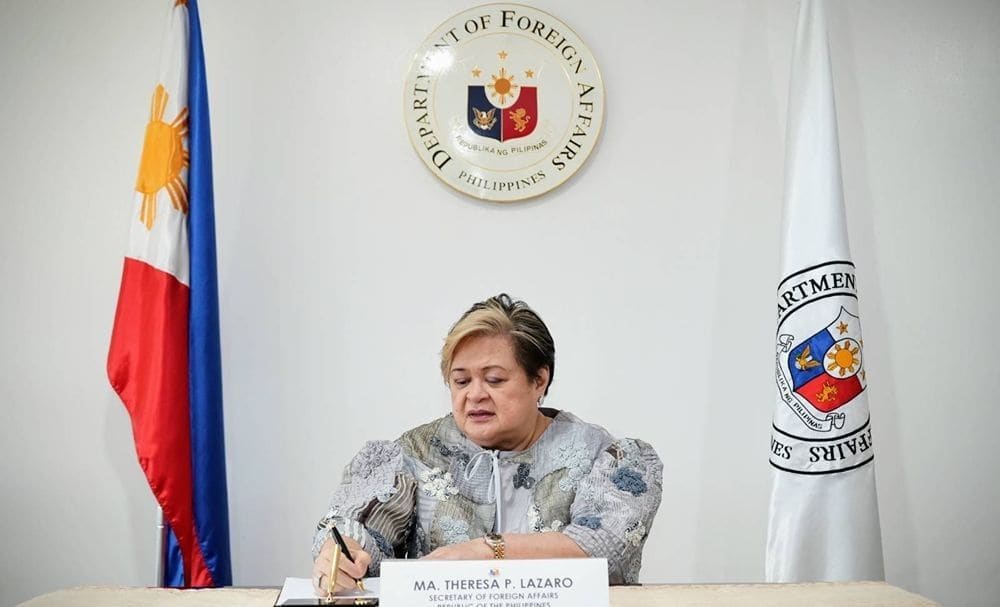
Japan has committed 11.54 billion pesos (approximately $195 million) to support the Philippines' Universal Health Care program, marking the third consecutive phase of bilateral health cooperation between Tokyo and Manila. The Department of Foreign Affairs confirmed the loan agreement on August 4, with Foreign Affairs Secretary Ma. Theresa Lazaro and Japanese officials signing diplomatic notes that outline the facility's purpose and general terms.
The Build Universal Health Care Program Subprogram 3 (BUHC3), designated as Emergency Support, will be co-financed and implemented by the Japan International Cooperation Agency and the Asian Development Bank. Manila has not disclosed the interest rate or repayment schedule for the loan.
The facility targets three operational pillars: health care financing and purchasing mechanisms, the delivery of quality services, and strengthening information management alongside performance accountability systems. According to the Department of Foreign Affairs, BUHC3 is designed to improve equitable access to quality health services while addressing gender-specific health concerns and the health impacts of climate change.
Building on Earlier Reforms
This loan represents the latest installment in a multi-year effort to operationalize Republic Act 11223, the Universal Health Care Act enacted in 2019. That legislation automatically enrolls all Filipinos in the National Health Insurance Program administered by the Philippine Health Insurance Corporation, expanding coverage for a population of more than 115 million.
The first phase of the Build Universal Health Care program ran from 2019 to 2021 with support from the Asian Development Bank. The second phase, implemented from July 2021 to September 2023, drew co-financing from ADB, JICA, and the Asian Infrastructure Investment Bank. The third phase continues this trajectory, with Japan deepening its role as a principal financier.
Lazaro described the agreement as reaffirming the strong commitment of both governments to ensuring quality, accessible, and equitable health care for Filipinos. The loan underscores Tokyo's broader strategic engagement in Southeast Asia, where health infrastructure financing has become a priority amid recurring disease outbreaks and climate-related disruptions.
Regional Context and Execution Risk
Japan's health lending to the Philippines sits within a larger pattern of infrastructure diplomacy across ASEAN. Tokyo has positioned itself as a counterweight to Beijing's Belt and Road Initiative, offering concessional loans with transparent terms and technical assistance. Health care, alongside transport and energy, has emerged as a key sector for Japanese official development assistance in the region.
The Philippines faces significant execution challenges in translating legislative mandates into operational health systems. Despite the 2019 law, many rural and island communities continue to experience gaps in service availability, drug supply, and specialist care. The Philippine Health Insurance Corporation has struggled with claims processing, fraud prevention, and financial sustainability, issues that the third phase of the program is expected to address through improved information systems and accountability frameworks.
Climate resilience is a new dimension in BUHC3. The Philippines ranks among the most disaster-prone countries globally, with typhoons, flooding, and extreme heat events disrupting health services and driving disease transmission. Integrating climate adaptation into health infrastructure planning reflects a growing recognition that physical assets and supply chains must withstand more frequent and severe shocks.
The loan also emphasizes gender-specific health concerns, a response to persistent maternal mortality rates and uneven access to reproductive health services across provinces. Women in remote areas often lack access to skilled birth attendants, prenatal care, and emergency obstetric services, gaps that the program aims to narrow through targeted financing and service delivery improvements.
What Comes Next
Implementation will be closely watched by multilateral lenders and health policy analysts. The success of earlier phases has been mixed, with progress in enrollment and policy frameworks but slower gains in service quality and financial protection. The third phase introduces more ambitious targets around accountability and climate adaptation, raising the bar for inter-agency coordination and local government capacity.
Japan's continued involvement signals confidence in the Philippines' reform trajectory, but also reflects Tokyo's strategic interest in maintaining influence in a region where China, South Korea, and other donors are active. Health diplomacy has become a competitive arena, with concessional finance serving both developmental and geopolitical objectives.
For Manila, the challenge is to convert this latest tranche of external financing into measurable improvements in health outcomes, particularly in underserved areas where the gap between policy ambition and service reality remains wide.
RELATED STORIES
Southeast Asian Firms Overlook Digital Pact Worth USD 2 Trillion
Lim Hui Ying · 4 min
Philippines Cancels Coal Tender for Key Mining Site Months Before Operator Handover
Mariel D. Santos · 4 min
Filipino Workers Abroad Send Home $3.6 Billion in July
Mariel D. Santos · 3 min

Five ASEAN Members Back Regional Oil Stockpile as Study Nears Completion
Tran Quoc Bao · 3 min
Spot something wrong? Email editor@briefasia.com. We log every correction publicly.