Technology · Policy
Japan's Antitrust Regulator Creates Dedicated Bureau for Big Tech Oversight
The Fair Trade Commission plans structural expansion to address market dominance concerns around Google, Apple, and other major technology platforms
KEY TAKEAWAYS
- ·Japan's Fair Trade Commission is establishing a permanent bureau dedicated to Big Tech oversight, targeting companies including Google and Apple.
- ·The structural expansion aligns Japan with regional peers like South Korea and China that have intensified platform regulation since 2020.
- ·The bureau will centralize enforcement on app distribution, payment systems, and digital advertising under Japan's existing Antimonopoly Act.
New Enforcement Architecture
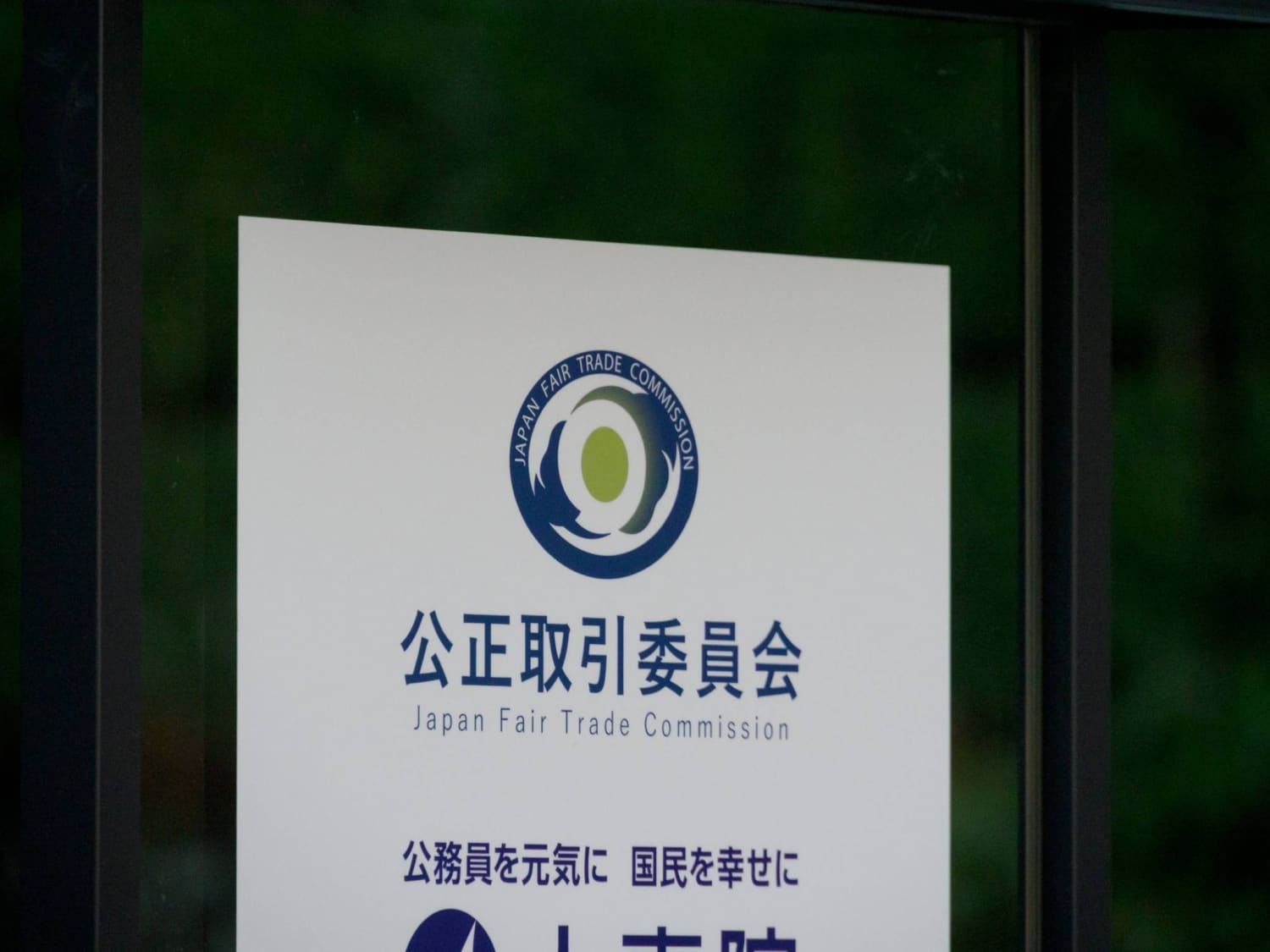
Japan's Fair Trade Commission is building out a dedicated bureau focused exclusively on large technology companies, according to the agency. The organizational addition targets market concentration issues tied to Google, Apple, and similar platforms that have attracted regulatory scrutiny across Asia and beyond.
The move represents a structural commitment rather than a temporary task force. By carving out a permanent unit within the commission, Tokyo is signaling that platform oversight will be a standing priority, not an ad hoc response to individual complaints.
Regional Context
Japan joins a lengthening list of Asia-Pacific governments rethinking their approach to technology gatekeepers. South Korea's parliament passed platform legislation in 2021 that restricted app-store payment monopolies. China's State Administration for Market Regulation launched a sweeping crackdown on platform practices starting in late 2020, resulting in multibillion-dollar fines for Alibaba and other domestic champions. India's Competition Commission has opened multiple probes into Google's Android ecosystem and Apple's App Store policies.
The Fair Trade Commission's bureau plan suggests Japan is moving from case-by-case enforcement toward systematic supervision. That shift mirrors the European Union's Digital Markets Act framework, which designates certain platforms as gatekeepers subject to ongoing compliance obligations rather than waiting for harm to materialize and then litigating.
What the Bureau Will Cover
While the commission has not published a detailed mandate, the reference to Google and Apple points to several friction points already visible in Japanese policy debates. App distribution, in-app payment commissions, search-advertising dominance, and data portability have all drawn questions from lawmakers and smaller competitors in recent years.
Japan's existing Antimonopoly Act gives the commission authority to investigate abuse of dominant position and unfair trade practices. The new bureau will likely centralize expertise on two-sided markets, network effects, and the valuation questions that make technology cases more complex than traditional merger or cartel reviews.
Enforcement could also extend to e-commerce marketplaces, cloud-infrastructure providers, and digital-advertising intermediaries. The commission has previously examined Amazon Japan's treatment of third-party sellers and Rakuten's platform fees, suggesting that scrutiny will not be limited to U.S.-headquartered firms.
Implications for Foreign Platforms
For Apple and Google, the Japanese market remains strategically important despite its mature growth profile. Japan accounted for roughly 7 percent of Apple's revenue in fiscal 2025, making it the company's third-largest geography after the Americas and Europe. Google's search share in Japan exceeds 75 percent on desktop and mobile, according to third-party analytics, giving the company substantial leverage in online advertising.
A dedicated enforcement bureau raises the probability of formal investigations, interim measures, and eventual remedies. Both companies have already adjusted policies in response to pressure elsewhere. Apple reduced its App Store commission to 15 percent for developers earning less than one million dollars annually, and Google permitted alternative billing systems in South Korea after that country's law took effect. Similar accommodations may become necessary in Japan if the Fair Trade Commission pursues parallel cases.
Staffing and Timeline
The commission has not disclosed how many personnel will staff the new bureau or when it will become operational. Building specialist teams takes time, particularly when the subject matter spans software engineering, economics, and law. South Korea's platform unit, established within the Korea Communications Commission, required more than a year to reach full capacity.
Japan's government has been expanding its digital-policy apparatus more broadly. The Digital Agency, launched in September 2021, coordinates technology initiatives across ministries. The Personal Information Protection Commission oversees data privacy. The new antitrust bureau will add a third pillar focused on competition, completing a regulatory triad that covers innovation policy, privacy, and market structure.
What Comes Next
The Fair Trade Commission's announcement leaves open the question of rule-making. Some jurisdictions have paired structural expansion with new ex-ante regulations - rules that apply before conduct occurs, rather than ex-post enforcement that punishes harm after the fact. Japan's Diet has discussed but not yet enacted platform-specific legislation comparable to the EU's Digital Markets Act or Germany's amended competition law.
If the bureau operates within the existing Antimonopoly Act, cases will turn on established tests for dominance and abuse. If new legislation follows, the commission could gain powers to designate platforms, impose interoperability requirements, or mandate data-sharing without needing to prove anticompetitive harm in each instance.
For now, the creation of the bureau itself is the clearest signal. Tokyo is allocating institutional resources to a problem it expects to be durable, and companies with significant Japanese revenue should anticipate closer attention to contract terms, fee structures, and competitive effects.
RELATED STORIES

Honda and Nissan Align on Software-Defined Vehicle Development
Cheng Wei-Lun · 2 min

Preferred Networks Eyes Public Listing to Scale AI Chip Production
Aiko Nakamura · 2 min

Fujitsu to Exit Commodity Hardware as AI Shifts Production Strategy
Aiko Nakamura · 4 min

Honda and Nissan Form Alliance to Develop Software-Defined Vehicle Platforms
Aiko Nakamura · 3 min
Spot something wrong? Email editor@briefasia.com. We log every correction publicly.