Finance · Deals
Indonesia's Danantara Commits $2.5 Billion to Joint Venture With JBS
The sovereign wealth fund and the world's largest meat processor will target expansion across Southeast Asia and Oceania markets
KEY TAKEAWAYS
- ·Indonesia's sovereign wealth fund Danantara is investing $2.5 billion in a joint venture with JBS, the world's largest meat processor, targeting Southeast Asia, Australia, and New Zealand.
- ·The partnership aims to capture rising protein demand across the region as incomes grow and diets shift, with Indonesia's per capita meat consumption still below regional peers.
- ·Execution risks include thin industry margins, complex supply chains, regulatory hurdles, and Danantara's unproven track record in delivering returns on large-scale investments.
A Cross-Continental Bet on Asia's Protein Demand
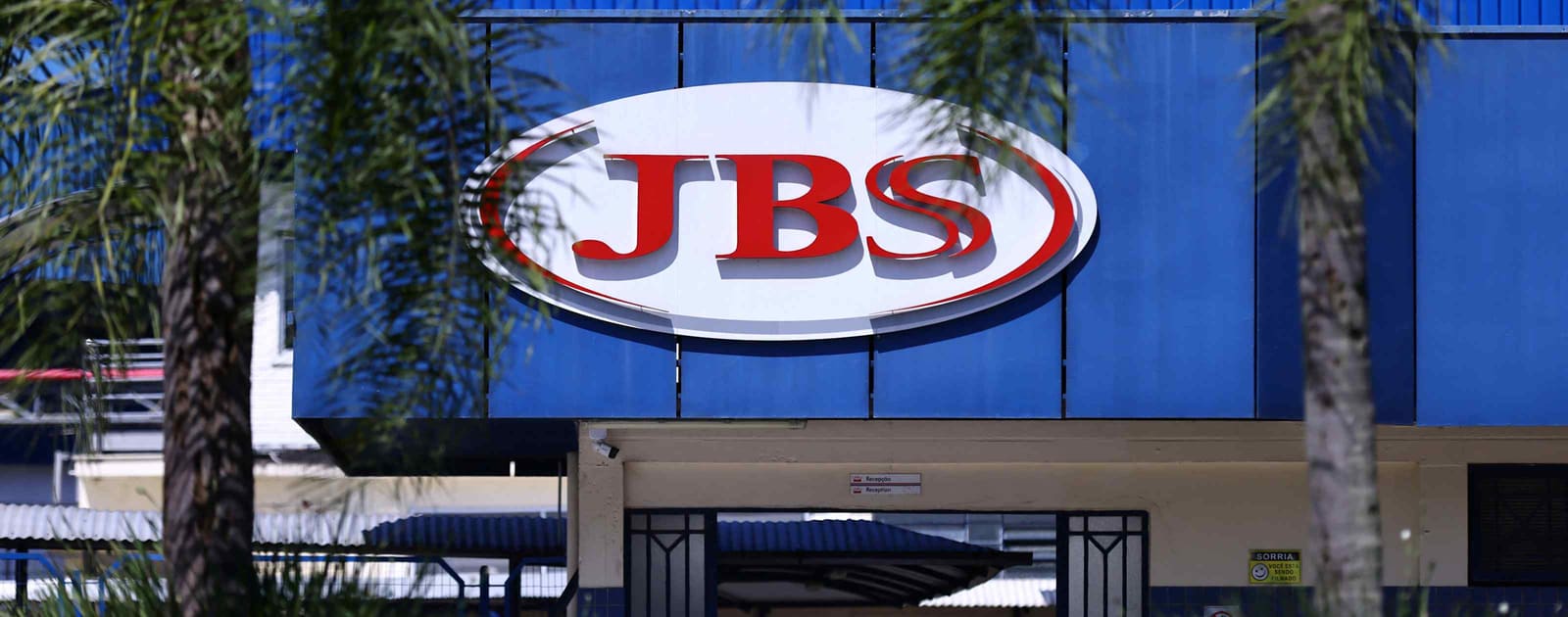
Indonesia's sovereign wealth fund Danantara unveiled a $2.5 billion investment in a joint venture with JBS, the world's largest meat processor, according to an announcement from both entities on Friday. The partnership positions Jakarta to capture a larger share of Southeast Asia's growing protein consumption while extending the Brazilian company's footprint beyond its traditional strongholds.
The joint venture will concentrate on markets across Southeast Asia, Australia, and New Zealand, regions where rising incomes and urbanization have driven steady increases in meat consumption. Danantara's capital commitment represents one of the most substantial cross-border agribusiness deals the region has seen in recent years.
JBS, which operates meat processing facilities across the Americas and has been expanding in Australia, brings scale and supply chain infrastructure to the partnership. The Brazilian company processes beef, pork, and poultry across multiple continents, giving it leverage in sourcing and distribution that smaller regional players lack.
Why Danantara Is Betting Big on Meat
The investment aligns with Indonesia's broader strategy to secure food supply chains and develop domestic processing capacity. Danantara, established under President Prabowo Subianto's administration, has been tasked with channeling state capital into sectors deemed strategic for national development. Food security sits high on that list, particularly as Indonesia's population of 280 million continues to grow and shift toward higher-protein diets.
Southeast Asia's meat consumption has climbed steadily over the past decade, driven by a burgeoning middle class in Indonesia, Vietnam, the Philippines, and Thailand. Per capita meat consumption in Indonesia remains below regional peers, suggesting room for growth as incomes rise. The joint venture gives Danantara a direct stake in capturing that upside.
For JBS, the partnership offers a pathway into markets where it has historically faced regulatory and logistical hurdles. Indonesia's halal certification requirements and import restrictions have limited foreign meat suppliers' access, but a local partnership with state backing could ease those barriers. The inclusion of Australia and New Zealand in the venture's scope also positions JBS to integrate those countries' beef and dairy exports more tightly into Asian supply chains.
Execution Risks and Regional Context
The deal comes at a time when Indonesia's sovereign wealth fund has drawn scrutiny over its rapid expansion and ambitious mandates. Danantara has announced multiple large-scale investments across mining, energy, and infrastructure since its formation, raising questions about its capacity to execute and generate returns. The fund's strategy has been to deploy state capital quickly to anchor projects that align with the government's economic priorities, but few of those investments have matured enough to demonstrate financial performance.
The meat processing industry also presents operational challenges. Margins are thin, supply chains are complex, and demand is sensitive to price fluctuations and consumer sentiment. JBS has faced its own controversies, including corruption investigations in Brazil and labor disputes at facilities abroad. How Danantara structures governance and oversight within the joint venture will be crucial to ensuring the partnership delivers on its stated goals.
Regional competitors are also moving. Thailand's Charoen Pokphand Group dominates poultry and aquaculture across ASEAN, while Australian beef exporters have long-standing relationships with importers in Japan, South Korea, and China. The Danantara-JBS venture will need to carve out differentiation, whether through cost advantages, halal certification, or integrated distribution networks that link production in Australia and New Zealand with consumption centers in Jakarta, Manila, and Ho Chi Minh City.
The partnership's success will hinge on whether it can navigate Indonesia's regulatory landscape, scale processing capacity, and build brand presence in markets where local tastes and preferences vary widely. If executed well, the venture could reshape protein supply chains across the region. If not, it risks becoming another high-profile sovereign investment that underdelivers.
RELATED STORIES

Brazil's JBS Commits $2.5 Billion to Indonesia Protein Venture With Danantara
Priyanka V. Rao · 5 min
Indonesia Raises $1.1 Billion Through Oversubscribed Panda Bond Sale
Priyanka V. Rao · 4 min

Roojai Sets 6% Market Share Target as Thailand Insurer Pivots to Health
Priyanka V. Rao · 3 min

Asian Tech Stocks Surge as Weak US Jobs Data Dims Rate Hike Outlook
Cheng Wei-Lun · 4 min
Spot something wrong? Email editor@briefasia.com. We log every correction publicly.