Asia · Business
Gardenia Owner Plans $6.6M Bakery in Sarawak to Employ 500
Kim Teck Cheong Consolidated, which operates Gardenia across East Malaysia, will partner with a state foundation to build the plant in Kota Samarahan
KEY TAKEAWAYS
- ·Kim Teck Cheong Consolidated will invest RM30 million in a Gardenia bread plant in Kota Samarahan, Sarawak, through a joint venture with state foundation Yayasan Sarawak.
- ·The facility is expected to create 500 jobs for local graduates and skilled workers, more than doubling KTC's current Sarawak workforce of 400.
- ·The partners aim to finalize joint venture agreements within three months, with the plant potentially operational by 2027 or early 2028.
Manufacturing Push in East Malaysia
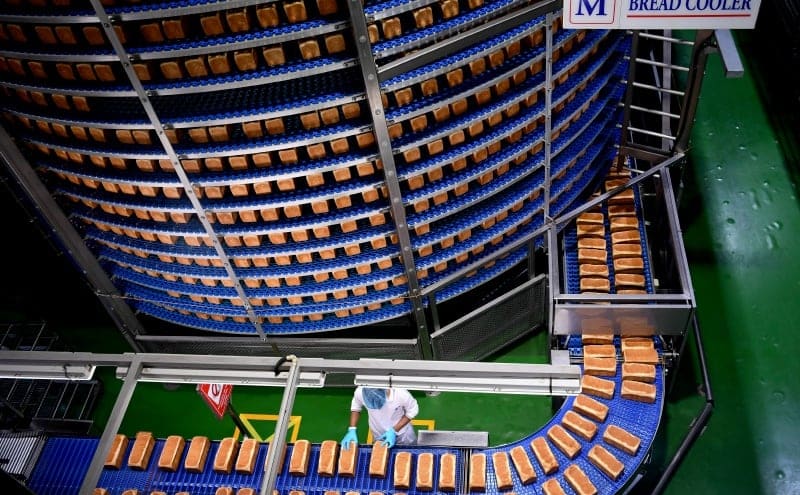
Kim Teck Cheong Consolidated Bhd, the operator of Gardenia bakeries in East Malaysia, will put RM30 million into a new bread manufacturing facility in Kota Samarahan, Sarawak. The investment is structured as a joint venture with Sanjung Etika, a subsidiary of Yayasan Sarawak, the state foundation.
The company signed a memorandum of understanding with Sanjung Etika and the Sarawak government this week. The agreement establishes Gardenia Bakeries (Sarawak), a new entity that will combine KTC's production capabilities with the foundation's workforce development programs. The partners expect to finalize joint venture and shareholder agreements within three months.
KTC has requested a 7.56-acre plot from the state government for the plant. The facility is designed to generate 500 positions targeted at local graduates and skilled labor, according to a company statement.
Building on a Decade of Presence
The expansion builds on KTC's existing footprint in Sarawak. The company entered the state ten years ago with no local employees; today it employs 400 Sarawakians, representing roughly one-third of its total workforce. Executive director Datuk Dexter Lau credited the state's education system and labor policies for developing competitive talent for private-sector employers.
KTC has deployed RM300 million in Sarawak to date. The operations generate RM400 million in annual revenue and manage operating and trading assets valued at RM140 million, according to the company.
The joint venture will introduce a Gardenia "Sarawak Edition" product line with packaging designed to reflect the state's cultural identity. KTC described the themed range as recognition of Sarawak's heritage and consumer base.
Workforce Strategy in Focus
The 500-job target underscores a broader strategy to anchor manufacturing employment in the state. Sarawak has positioned itself as a destination for food processing and light industrial investment, leveraging land availability and infrastructure improvements along the Kuching-Samarahan corridor.
Kota Samarahan, approximately 25 kilometers from Kuching, hosts university campuses and mixed industrial zones. The area has seen growth in logistics and consumer goods production as companies seek proximity to both urban markets and export gateways.
For KTC, the Sarawak plant represents the next phase of geographic diversification within East Malaysia. The company operates Gardenia under license in Sabah and Sarawak, separate from the brand's West Malaysia operations. The new facility will serve rising demand in the state and potentially neighboring Brunei and parts of Kalimantan.
Regional Bread Market Dynamics
Packaged bread remains a competitive segment across Southeast Asia, with players balancing fresh daily distribution against shelf-life and cost pressures. Gardenia holds significant share in Malaysia, supported by brand recognition and distribution reach built over decades.
Investment in dedicated state-level production reflects both transportation economics and consumer preference for fresh baked goods. Trucking bread across Borneo is costlier than operating smaller, localized plants that can turn inventory quickly.
The partnership with Yayasan Sarawak adds a community development dimension. The foundation typically focuses on education, skills training, and economic participation for Sarawakians. Its involvement signals state interest in ensuring local employment outcomes from industrial projects.
KTC's commitment to hire locally aligns with broader government priorities around Bumiputera participation and rural-to-urban workforce transitions. The 500 jobs, if realized, would make the plant one of the larger food manufacturing employers in the Samarahan area.
What Comes Next
The three-month timeline for finalizing agreements suggests KTC aims to begin construction by late 2026, with the plant potentially operational in 2027 or early 2028, depending on permitting and build schedules. Land approval from the state government will be a critical milestone.
The Sarawak Edition product line will test whether regional branding can command shelf presence in a market accustomed to standardized national offerings. Similar localized packaging strategies have worked in other Asian markets where provincial identity runs strong.
KTC's ability to scale from 400 to 900 employees in Sarawak within a few years will also test the state's labor market depth. While the company praised local talent, competition for skilled workers in food manufacturing is rising as more investors enter the state.
RELATED STORIES

Penang Captures 34% of Malaysia's Manufacturing Investment in First Half
Anand Sundaram · 2 min
Malaysia's Rare Earth Deposits Draw Foreign Interest Ahead of China Export Controls
Priyanka V. Rao · 3 min
Malaysia's Petronas Reports Steady Earnings Amid Energy Security Push
Priyanka V. Rao · 2 min
Malaysia's July Trade Surge Points to Strengthening Regional Demand
Priyanka V. Rao · 3 min
Spot something wrong? Email editor@briefasia.com. We log every correction publicly.