Travel & Dining · Trends
Dubai Hotel Occupancy Swings From 19% to 82% as UAE Deploys Discounts to Counter War Impact
The Emirates is rolling out travel incentives and visa expansions while grappling with a conference cancellation wave and sluggish business travel recovery four months into regional conflict.
KEY TAKEAWAYS
- ·Dubai hotel occupancy collapsed to 19.6% on March 15 before surging to 82.2% during the Eid holiday in late May, then retreating to the high 40s in June.
- ·More than 100 conferences and exhibitions in the UAE were canceled or postponed due to the conflict, with business travel recovering more slowly than leisure.
- ·The UAE is using discounted rates, free travel insurance, and expanded visa-on-arrival access to stimulate demand, while residency restrictions may limit near-term growth from new markets.
A Volatile Recovery Path
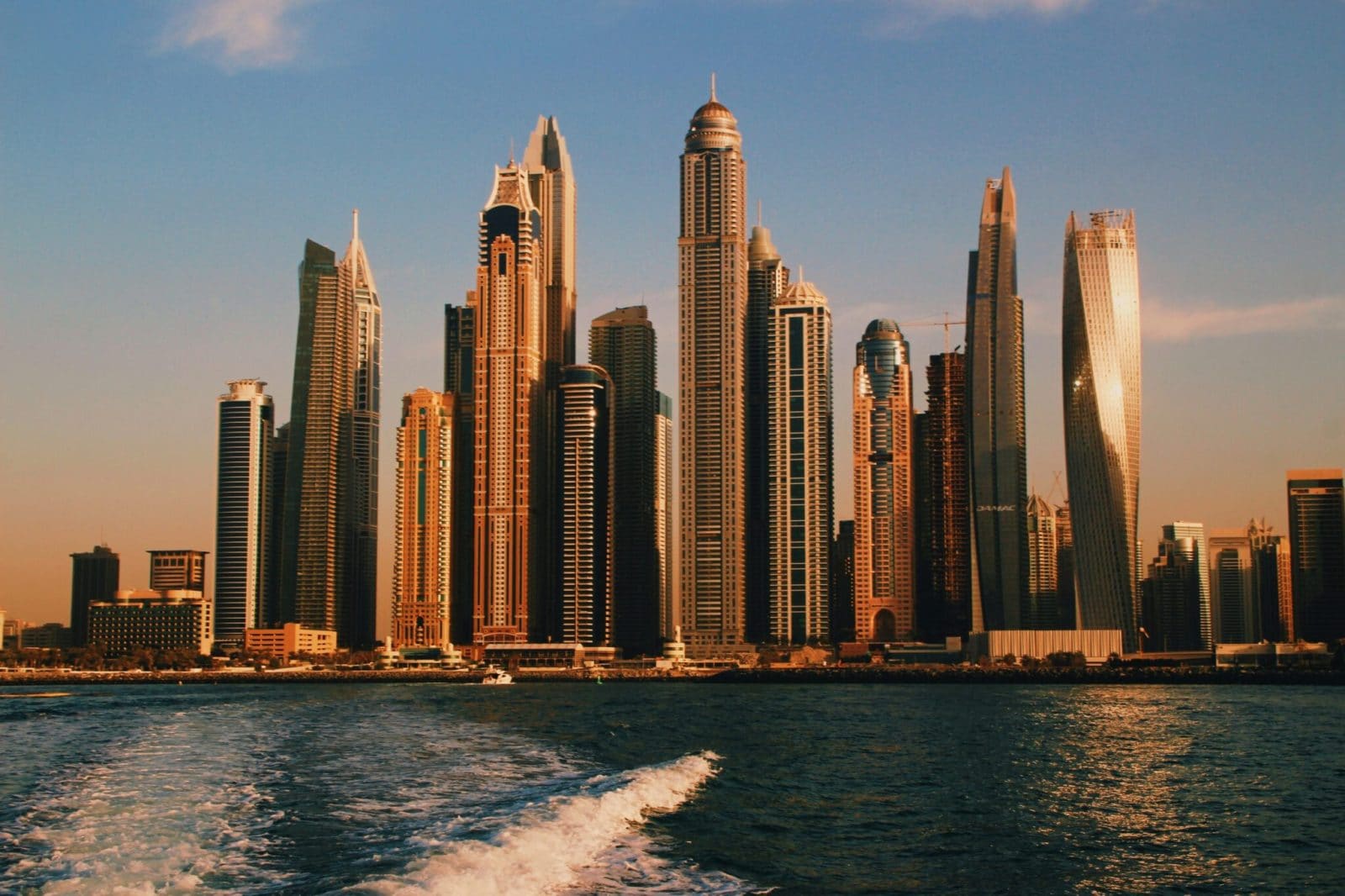
Dubai's hotel occupancy fell to 19.6% on March 15, four months after the outbreak of conflict involving Iran, according to CoStar. By May 28, during the Eid holiday, occupancy had surged to 82.2%, illustrating the sharp volatility coursing through the emirate's hospitality sector. After that seasonal peak, occupancy retreated in June, settling into the high 40s to low 50s.
The swing reflects two competing forces: the depth of the demand shock triggered by regional instability, and the resilience of leisure and religious travel during key calendar windows. Yet the June pullback signals that without the lift from holiday periods, underlying demand remains fragile.
Dubai's tourism authority has not published official visitor arrival figures since late January, leaving hotel performance data as the primary window into the sector's health. The absence of transparency compounds uncertainty for operators trying to calibrate pricing and staffing.
Business Travel Lags Behind Leisure
While leisure bookings have shown signs of life, corporate and conference travel remains subdued. Data from Northbourne Advisory shows that more than 100 conferences and exhibitions scheduled in the UAE were either canceled or postponed as a direct result of the conflict.
The loss of group business is particularly painful for Dubai's higher-tier hotels, which depend on corporate bookings and large-scale events to fill midweek inventory and sustain average daily rates. The slow return of this segment is forcing properties to lean more heavily on transient leisure guests, often at lower price points.
The timing is especially awkward. Dubai had been positioning itself as a year-round business hub, anchored by events like the Arabian Travel Market in September. The question now is whether corporate travel planners will commit to the region ahead of that date, or wait for clearer geopolitical signals.
Emergency Incentives and Infrastructure Bets
The UAE government, alongside airlines and hotel operators, has deployed a range of short-term measures designed to stimulate inbound travel. These include discounted room rates, bundled travel insurance packages covering trip disruptions, and expanded visa-on-arrival access for new source markets.
The visa expansion is part of a broader push to diversify visitor origins and reduce reliance on traditional European and Gulf Cooperation Council feeder markets. However, several of the newly eligible nationalities face residency restrictions, limiting their near-term contribution to arrival growth.
At the same time, the UAE continues to pour capital into long-term infrastructure. Multibillion-dollar projects in aviation, hospitality, and entertainment are moving forward, even as operators grapple with immediate occupancy shortfalls. The divergence between emergency discounting and patient infrastructure investment underscores the dual timeline the Emirates is now managing.
The Profitability Question
Aggressive discounting and complimentary insurance are effective demand levers, but they carry margin risk. If the recovery extends beyond the third quarter, hotels may find themselves locked into rate structures that erode profitability, especially as labor and energy costs remain elevated.
For independent operators and smaller hotel groups without the balance-sheet cushion of sovereign-backed entities, the calculus is more delicate. Filling rooms at discounted rates preserves cash flow and keeps staff employed, but it also resets guest expectations and compresses future pricing power.
The challenge is compounded by the fact that Dubai's hotel supply has continued to grow. New properties that opened in late 2025 and early 2026 are now competing for a smaller pool of visitors, intensifying rate pressure across segments.
What Comes Next
The path forward depends on three variables: the trajectory of regional security conditions, the speed at which corporate travel resumes, and the effectiveness of the UAE's demand-generation measures.
September's Arabian Travel Market will serve as an important barometer. If exhibitor and delegate numbers approach pre-conflict levels, it will signal renewed confidence among travel industry stakeholders. If participation is muted, it may indicate that the recovery will stretch into 2027.
In the meantime, operators are watching forward booking curves closely. Lead times for group business have compressed, and many corporate clients are adopting a wait-and-see posture. That hesitation makes capacity planning difficult and forces hotels to rely more heavily on last-minute leisure bookings, which tend to be more price-sensitive.
The UAE's bet is that a combination of tactical incentives and structural investment will carry the sector through this rough patch. Whether that strategy closes the gap between current occupancy levels and pre-conflict performance will become clearer in the coming quarter.
RELATED STORIES
Cathay Pacific to Restart Middle East Flights After Five-Month Suspension
Lim Hui Ying · 2 min
Cathay Pacific Cargo Reports 9% Tonnage Growth in First Half
Cheng Wei-Lun · 3 min

PetroChina Reports 22% Profit Surge Despite Middle East Supply Disruptions
Cheng Wei-Lun · 3 min
Lebanon's Economy Set to Shrink 6.4 Percent as War Halts Recovery
Priyanka V. Rao · 2 min
Spot something wrong? Email editor@briefasia.com. We log every correction publicly.