Finance · Deals
Club Med Plans Hong Kong IPO to Fund Resort Expansion and Digital Overhaul
Fosun-owned resort operator targets 85 properties by 2030 as it returns to public markets after decade of private ownership
KEY TAKEAWAYS
- ·Fosun has filed for a Hong Kong IPO for Club Med and related tourism businesses, aiming to grow from 69 resorts today to 85 by 2030.
- ·Proceeds will fund global resort expansion, vacation product upgrades, and investments in digital infrastructure and AI capabilities.
- ·The listing ends a decade of private ownership and positions the brand closer to Asian investors and its fastest-growing customer base.
Return to Public Markets
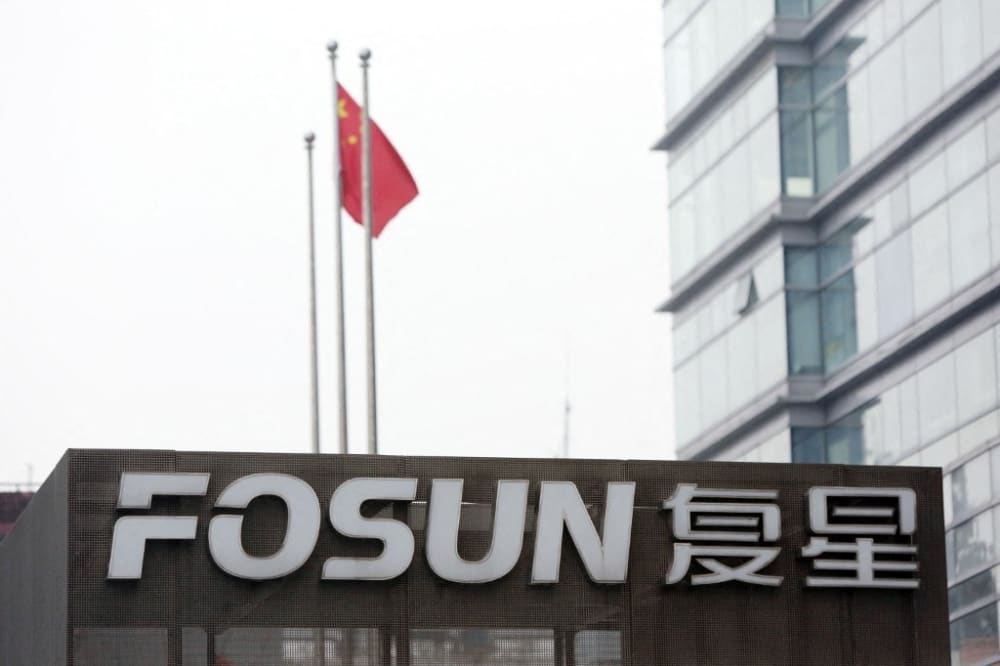
Fosun, the Chinese conglomerate that took Club Med private in 2015, has filed for an initial public offering in Hong Kong for the resort operator and its associated tourism businesses. The move marks a strategic shift for the vacation brand, which disappeared from the Paris bourse over a decade ago when Fosun completed its acquisition.
The listing will encompass Club Med as the flagship brand alongside ClubMed Lifestyle and other tourism-focused operations under a single publicly traded entity. Fosun announced the filing on Friday, signaling its readiness to tap Hong Kong's capital markets for the next phase of growth.
Capital for Growth
Proceeds from the offering will primarily fund three areas, according to Fosun. The company plans to expand Club Med's global resort footprint, upgrade vacation products and services, and invest in digital infrastructure including artificial intelligence capabilities.
Club Med currently operates 69 resorts worldwide. The new public entity aims to reach approximately 85 resorts by 2030, with a longer-term target of 100 properties by 2035. The expansion strategy reflects management's confidence in the premium resort segment, particularly as affluent travelers in Asia seek curated vacation experiences.
The decision to list in Hong Kong rather than return to Paris underscores the company's geographic priorities. Hong Kong serves as a gateway to mainland Chinese investors and positions the brand closer to its fastest-growing customer base across Asia-Pacific markets.
Leadership Endorsement
Stephane Maquaire, Club Med's chief executive, described the listing as an important evolution in the group's ownership structure. He noted that the public market access would provide the financial flexibility needed to accelerate international development plans.
The timing of the IPO follows years of internal debate over the company's capital structure. Henri Giscard d'Estaing, Club Med's former chairman, had publicly advocated for a Paris listing as early as mid-2025, creating tension with Fosun's preference to remain private. Giscard d'Estaing departed the company last year, removing a key obstacle to Fosun's preferred Hong Kong route.
Market Context
The IPO comes as travel demand across Asia continues to recover and evolve post-pandemic. Premium and all-inclusive resort concepts have gained traction among middle-class and affluent travelers seeking predictable vacation costs and curated experiences. Club Med's model, which bundles accommodation, meals, activities, and entertainment, aligns with this shift in consumer preference.
Hong Kong's IPO market has seen renewed activity in 2026 after several sluggish years, with Chinese companies increasingly choosing the city over U.S. exchanges due to regulatory considerations and investor proximity. The listing will test investor appetite for leisure and hospitality assets amid broader questions about consumer spending power in China and regional travel patterns.
Fosun's decision to monetize part of its Club Med stake through a public offering also reflects the conglomerate's broader capital allocation strategy. The company has faced pressure to streamline its sprawling portfolio and reduce leverage, making selective exits or partial listings a recurring theme in its recent corporate actions.
What Comes Next
The success of the IPO will depend on pricing, market conditions at launch, and investor confidence in Club Med's ability to execute its expansion pipeline. The company will need to demonstrate that it can scale efficiently while maintaining the brand equity and service standards that justify its premium positioning.
Details on the offering size, valuation range, and timeline have not yet been disclosed. Fosun will likely gauge institutional investor interest through pre-marketing roadshows in the coming months before setting final terms.
For now, the filing signals that Club Med is ready to trade public ownership for the capital and strategic flexibility needed to compete in a consolidating global resort industry.
RELATED STORIES

Shein Targets $27 Billion Valuation in Hong Kong Listing
Cheng Wei-Lun · 3 min
Shein Targets $27 Billion Valuation in Hong Kong Debut
Cheng Wei-Lun · 3 min

Shein IPO Values Fast-Fashion Giant at $27 Billion, Down 70% From Private Peak
Cheng Wei-Lun · 3 min
Shein Targets $2.3 Billion in Hong Kong Debut After Years of Setbacks
Cheng Wei-Lun · 3 min
Spot something wrong? Email editor@briefasia.com. We log every correction publicly.