Technology · Products
Chinese Cleaning Robot Makers Capture 70% of Global Market
Five major manufacturers dominate through feature innovation, moving beyond price competition as products gain sophistication
KEY TAKEAWAYS
- ·Five Chinese manufacturers now hold 70% of the global household cleaning robot market, shifting competition from price to feature differentiation.
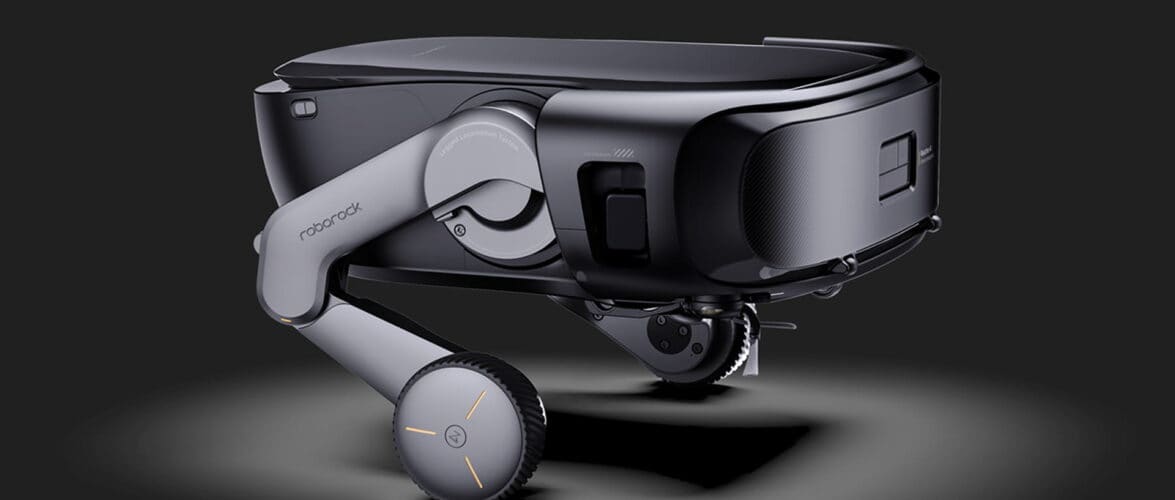
- ·Roborock is developing a stair-climbing robot using extendable legs, addressing a key limitation that confines most devices to single floors.
- ·Chinese firms leverage domestic supply chains for faster development cycles, while premium segments remain contested by South Korean and Japanese brands.
Market Consolidation in Consumer Robotics
Five Chinese manufacturers have secured a combined 70% share of the worldwide household cleaning robot market, according to recent industry data. The concentration reflects a strategic shift from price-based competition toward differentiated product features as the category matures.
The market consolidation comes as consumer robotics move beyond basic floor vacuuming into more complex cleaning tasks. Companies including Roborock, Ecovacs, and others have invested heavily in navigation systems, obstacle detection, and mobility features that expand the functional range of autonomous cleaning devices.
Innovation Beyond the Floor
Roborock is developing the Saros Rover, a cleaning robot designed to navigate multi-level homes by climbing stairs. The device uses two mechanical legs that deploy from its underside, allowing the front wheel to reach surfaces taller than the robot's own height. The mechanism represents a departure from conventional flat-surface designs that require manual relocation between floors.
The stair-climbing capability addresses a longstanding limitation in home robotics. Most autonomous cleaners remain confined to single levels, requiring owners to carry units upstairs or purchase multiple devices for multi-story residences. Vertical mobility could expand the addressable market for cleaning robots in regions where multi-level housing predominates.
Engineering Challenges in Home Robotics
Developing mobility systems for uneven terrain introduces technical complexity beyond traditional wheeled navigation. Weight distribution, power consumption, and sensor integration all become more demanding when robots must manage inclines and vertical obstacles. The engineering requirements have historically kept stair-climbing features in research labs rather than consumer products.
Chinese manufacturers have accelerated development timelines by leveraging domestic supply chains for sensors, motors, and battery systems. The proximity of component suppliers to assembly facilities enables faster iteration cycles compared to competitors sourcing parts across continents. This logistical advantage has translated into quicker product launches and feature updates.
Competitive Dynamics in Asia
The concentration of cleaning robot production in China mirrors broader patterns in consumer electronics manufacturing. Shenzhen and surrounding cities in Guangdong province host clusters of robotics companies, component makers, and contract manufacturers that share technical expertise and labor pools.
South Korea's Samsung and LG maintain positions in premium segments, emphasizing integration with smart home ecosystems and brand recognition. Japanese firms like Panasonic focus on niche applications including commercial cleaning and specialized floor types. However, volume leadership has shifted decisively toward Chinese brands over the past five years.
Market share data indicates that innovation velocity matters more than incumbent advantage in this category. Established appliance brands have struggled to match the development pace of dedicated robotics firms that can pivot quickly based on user feedback and competitive moves.
Distribution and Market Expansion
Chinese cleaning robot makers have expanded beyond domestic channels into European and North American retail networks. Direct-to-consumer sales through company websites and e-commerce platforms allow manufacturers to bypass traditional appliance distribution, reducing costs and gathering usage data directly from customers.
The pricing spectrum for cleaning robots now ranges from under $200 for entry-level disc vacuums to over $1,500 for models with mopping, self-emptying bases, and advanced mapping. Feature differentiation has created distinct price tiers rather than a race to the bottom, supporting margin expansion for category leaders.
Export growth has been particularly strong in urban markets where household sizes are shrinking and dual-income households value time savings. Penetration rates remain below 10% in most regions outside China, suggesting substantial room for category expansion as prices decline and capabilities improve.
Technology Roadmap
Beyond stair navigation, manufacturers are pursuing improvements in AI-based obstacle recognition, liquid handling for mopping functions, and battery efficiency. Voice assistant integration and app-based controls have become standard, with newer models adding camera-based remote monitoring and security features.
The convergence of cleaning robots with home security and pet monitoring creates opportunities for recurring revenue through subscription services. Some manufacturers now offer cloud storage for camera footage and advanced scheduling features behind monthly payment plans, shifting the business model beyond one-time hardware sales.
Regulatory approvals for devices with cameras and internet connectivity vary by region, creating compliance complexity as companies scale globally. Data privacy requirements in Europe and safety certifications in North America add development costs that favor larger manufacturers with dedicated regulatory teams.
The 70% market share held by Chinese firms reflects both production scale and product innovation in a category where consumer expectations continue to rise. As cleaning robots add capabilities that were science fiction a decade ago, the companies that can engineer, manufacture, and distribute those features quickly are pulling away from slower-moving competitors.
RELATED STORIES
China Targets 84% Share of AR-HUD Production by 2031
Cheng Wei-Lun · 3 min
China's Battery Dominance Faces Quality Test as CALB Defect Spreads
Anand Sundaram · 3 min
China's Chip Makers Split Three Ways Beneath the Revenue Growth
Tran Quoc Bao · 3 min
Seres Assumes Full Control of Aito Brand as Huawei Steps Back
Jun-ho Seo · 3 min
Spot something wrong? Email editor@briefasia.com. We log every correction publicly.