Technology · Policy
China Strengthens IC Layout Design Registration Rules
Beijing tightens protection framework for chip designs as domestic semiconductor push intensifies under US export controls

KEY TAKEAWAYS
- ·China has revised its IC layout design protection regulations, introducing stricter registration requirements and stronger enforcement measures for chip designs.
- ·The new framework clarifies commercialization rules, enabling layout design IP to be licensed, transferred, or used as collateral more easily.
- ·The regulatory overhaul supports Beijing's push for semiconductor self-sufficiency amid ongoing US restrictions on advanced chip technology.
Tighter Registration Standards
China has revised its regulatory framework governing integrated circuit layout design protection, marking a significant shift in how Beijing safeguards intellectual property in its semiconductor sector. The updated regulations introduce more stringent registration requirements for IC layout designs, a move that reflects the government's determination to fortify domestic chip capabilities while navigating sustained US export controls.
The new framework establishes clearer criteria for what qualifies as protectable layout design, raising the bar for registration approvals. Companies seeking protection must now meet enhanced documentation standards that demonstrate originality and technical merit. The changes affect both domestic chip designers and foreign entities operating within China's semiconductor ecosystem.
Enforcement and Commercialization
The revised regulations deliver stronger enforcement tools to combat infringement, including expanded investigative powers for regulatory authorities and steeper penalties for violations. Rights holders gain clearer pathways to pursue legal action against unauthorized use of protected designs, addressing long-standing concerns about IP enforcement in China's fast-growing chip sector.
On the commercialization front, the updated rules clarify licensing terms and transfer procedures for IC layout designs. The framework now explicitly defines how design rights can be monetized, transferred between entities, or used as collateral in financing arrangements. These provisions aim to make layout design IP a more liquid and tradable asset within China's semiconductor supply chain.
Strategic Timing
The regulatory overhaul arrives as China accelerates efforts to build a self-sufficient chip industry. US restrictions on advanced semiconductor manufacturing equipment and design software have spurred Beijing to prioritize domestic innovation and IP creation. Stronger layout design protection serves as one lever to incentivize local R&D investment and retain engineering talent within China's borders.
The semiconductor sector has become a focal point of industrial policy in Beijing, with state-backed funds channeling billions into chip design houses, fabrication plants, and equipment makers. Tightening IP protections for layout designs complements these capital investments by ensuring that homegrown innovations receive legal safeguards comparable to those in established chip-making regions such as Taiwan, South Korea, and Japan.
Regional Implications
For Asia's interconnected semiconductor supply chain, China's regulatory shift carries practical consequences. Taiwanese and South Korean design firms that license technology to Chinese partners will need to navigate the new registration and enforcement landscape. The revised rules may also influence cross-border collaboration dynamics, particularly in fabless design partnerships where IP ownership and licensing terms are negotiated case by case.
Industry observers note that stronger layout design protection could attract more sophisticated design work to mainland China if enforcement proves credible. However, geopolitical tensions and export control regimes continue to limit the technology nodes and design tools accessible to Chinese chip makers, constraining the immediate impact of regulatory improvements.
The updated regulations take effect as China's chip industry grapples with dual pressures: ramping domestic production to meet national security goals while contending with restricted access to cutting-edge manufacturing processes and EDA software from US and allied suppliers.
RELATED STORIES

Asia's Memory Makers Shift Focus as DRAM Margins Challenge HBM Dominance
Cheng Wei-Lun · 4 min

SK Hynix Eyes Stake Sale in $3 Billion China Packaging Facility
Cheng Wei-Lun · 2 min

GlobalFoundries Posts Stronger Second-Quarter Results on AI Optics Demand
Cheng Wei-Lun · 4 min
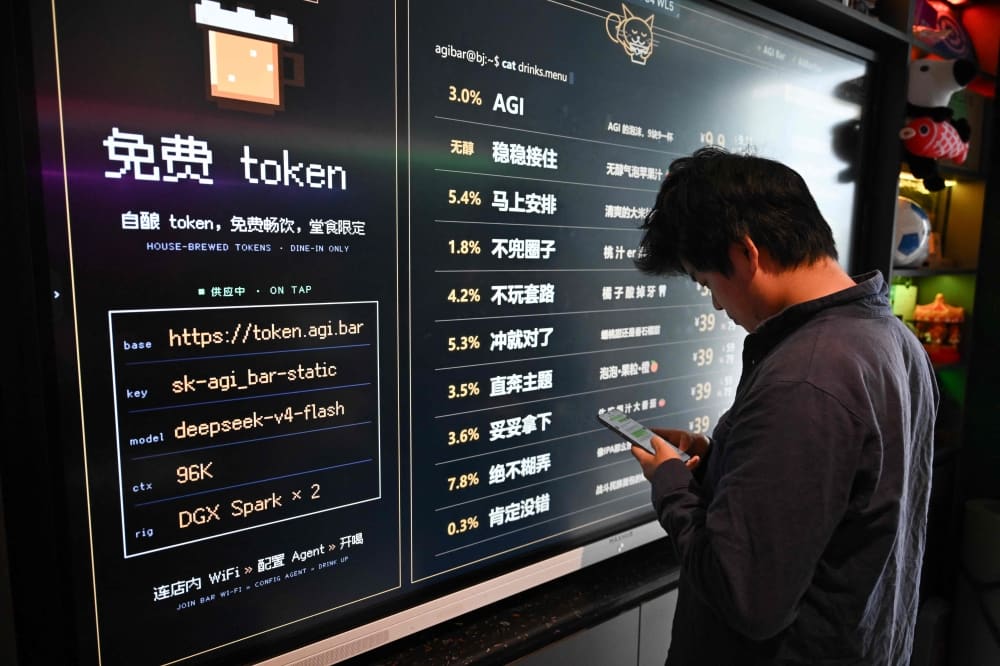
Beijing's AI Bar Offers Free DeepSeek Access as Price Wars Reshape Global Market
Cheng Wei-Lun · 3 min
Spot something wrong? Email editor@briefasia.com. We log every correction publicly.