Real Estate · Homes
China's Luxury Home Sales Surge While Broader Property Market Stagnates
High-net-worth buyers from tech sector fuel premium segment recovery, but analysts say uptick represents narrow slice of struggling real estate industry
KEY TAKEAWAYS
- ·Luxury home sales in China's top cities are climbing as high-net-worth individuals from the tech sector deploy billions of yuan for residential upgrades.
- ·Analysts note the premium segment represents a small fraction of the national property market, insufficient to reverse the six-year downturn affecting mainstream housing.
- ·The rebound is concentrated in first-tier cities and economically vibrant hubs, with limited spillover to mid-range and mass-market segments where demand remains weak.
Premium Segment Outperforms
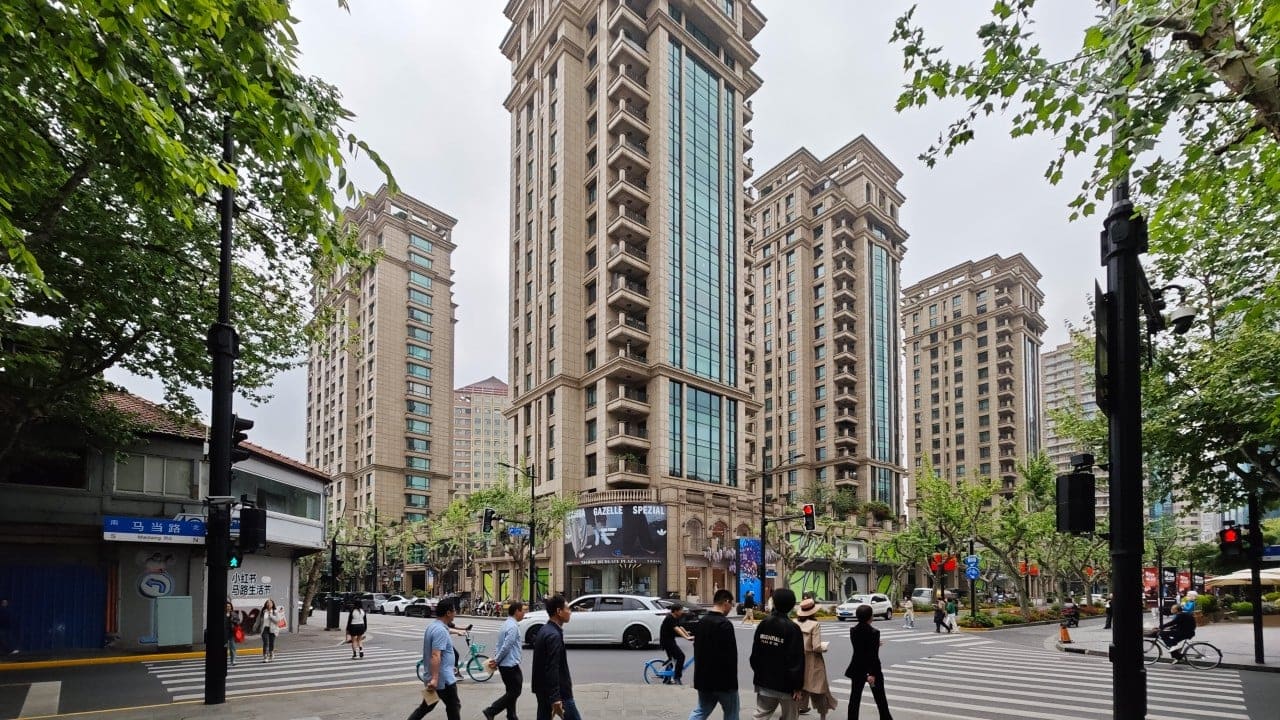
Luxury home transactions in mainland China's major cities have picked up momentum in recent months, driven by wealthy buyers who accumulated fortunes during the country's technology expansion. These high-net-worth individuals are deploying billions of yuan to upgrade residential holdings, creating a visible uptick in the premium segment that contrasts sharply with the broader market's trajectory.
Brokers handling high-end properties report increased activity and firmer pricing in select urban centers, prompting speculation that the momentum could signal the beginning of a wider recovery. The property sector has been contracting for six years, weighed down by regulatory tightening, developer debt crises, and waning consumer confidence.
Narrow Base for Recovery
Analysts caution that luxury homes constitute a small fraction of China's vast residential market. The segment's improved performance, while notable, lacks the scale to reverse the industry's overall downward trend. Sales volumes and price gains in the premium tier have not translated into meaningful improvement across mid-range and mass-market housing, where inventory overhang and affordability constraints persist.
The divergence underscores a two-speed dynamic: affluent buyers with liquidity and confidence in select assets are active, while the majority of potential homebuyers remain on the sidelines. Developers focused on mainstream segments continue to face liquidity pressures and subdued demand, limiting the prospect of a broad-based turnaround.
Tech Wealth and Urban Concentration
The luxury rebound is concentrated in first-tier cities and a handful of economically vibrant second-tier hubs, where proximity to technology clusters and financial services has created pockets of wealth. Buyers in these markets are less sensitive to mortgage rate adjustments and policy shifts that influence the mass market, allowing them to act on investment or lifestyle preferences even as macro headwinds persist.
This geographic and demographic concentration means the uptick in premium sales offers limited relief to the national property picture. The majority of housing stock sits in lower-tier cities and suburban developments, where demand remains weak and price declines continue.
Policy Environment and Outlook
Beijing has rolled out measures to stabilize the property sector, including easing purchase restrictions and adjusting down-payment requirements in some cities. These interventions have had modest impact on transaction volumes in the mass market, where buyer sentiment hinges on employment stability and income expectations as much as financing terms.
For the luxury segment, policy changes play a secondary role. High-net-worth buyers are more responsive to asset allocation considerations, perceived value in trophy properties, and lifestyle aspirations than to incremental easing of mortgage conditions. This insulation from policy levers that typically drive mass-market demand further limits the luxury rebound's spillover potential.
The outlook for China's property sector remains mixed. While premium sales provide a revenue stream for a narrow set of developers and brokers, the industry's recovery will ultimately depend on restoring confidence and purchasing power among middle-income households, who represent the bulk of housing demand. Until that shift occurs, luxury gains will remain a distinct phenomenon rather than a harbinger of broader revival.
RELATED STORIES

Hong Kong Insurance Regulator Pivots to Regional Markets After Tax Policy Shock
Cheng Wei-Lun · 2 min
Parkview Group Defaults on $940 Million Loan Tied to Beijing Asset
Cheng Wei-Lun · 3 min

Japan's Takaichi Doubles Down on Allied Ties as Beijing Turns Up the Heat
Aiko Nakamura · 4 min
Chinese Banks Shift Corporate Loan Pricing to Daily Repo Rates
Cheng Wei-Lun · 3 min
Spot something wrong? Email editor@briefasia.com. We log every correction publicly.