Asia · Politics
China Declines to Join US Sanctions Push Against Iran
Beijing's refusal to participate in Treasury-led isolation campaign underscores limits of Washington's economic pressure tactics in Asia
KEY TAKEAWAYS
- ·China has declined to participate in the US sanctions campaign against Iran despite calls from Treasury Secretary Scott Bessent for international support in economically isolating Tehran.
- ·Beijing's decision reflects its position as a major oil importer with energy security concerns and its opposition to unilateral sanctions outside UN frameworks.
- ·The non-participation of the world's second-largest economy limits the effectiveness of US economic pressure tactics and signals alternatives to Washington-led economic architecture for Asian nations.
Beijing's Stance on Iran Sanctions
China has declined to participate in the United States' renewed sanctions campaign against Iran, marking a significant divergence in approach between Washington and the world's second-largest economy. The decision comes as Treasury Secretary Scott Bessent has called on international partners to support efforts to economically isolate Tehran.
The Trump administration has framed its Iran strategy around what President Donald Trump characterized as economic pressure rather than military intervention. This approach relies heavily on coordinated international participation to achieve maximum effect, making China's non-participation a notable setback for Washington's regional objectives.
Energy Security Calculations
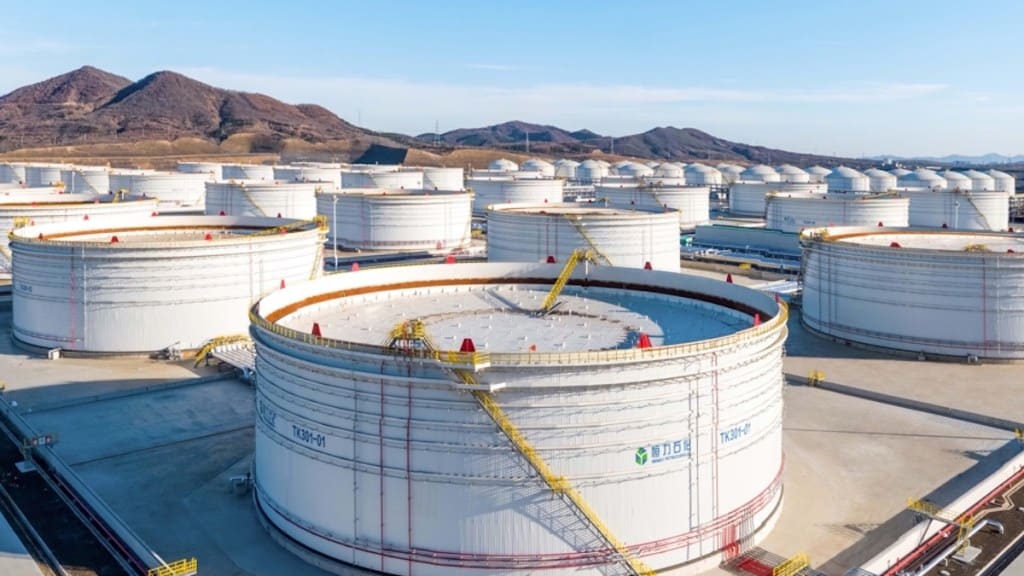
China's position reflects its status as a major oil importer with substantial energy security concerns. Iran has historically served as an important supplier within China's diversified energy portfolio, particularly during periods when other Middle Eastern producers face constraints or when Beijing seeks leverage against Gulf states aligned with Washington.
The refusal to join sanctions aligns with China's broader foreign policy principle of non-interference in other nations' internal affairs. Beijing has consistently opposed unilateral sanctions regimes imposed outside United Nations frameworks, viewing them as tools of coercion that undermine international law and multilateral institutions.
Regional Implications
China's decision to maintain economic ties with Iran has implications that extend beyond bilateral trade. It signals to other Asian economies that alternatives to US-led economic architecture exist, particularly for nations seeking to preserve commercial relationships that Washington opposes.
The stance also reflects growing confidence in Beijing's ability to absorb potential secondary sanctions or diplomatic pressure from the United States. Chinese financial institutions and energy companies have developed mechanisms to conduct transactions outside dollar-denominated systems, reducing vulnerability to Treasury Department enforcement actions.
Limits of Economic Warfare
The effectiveness of sanctions campaigns depends on broad international participation. When major economies decline to join, targeted nations retain access to significant markets, capital, and technology. China's economy represents roughly 18 percent of global GDP, making its non-participation a substantial limitation on any isolation effort.
For the Trump administration, China's position represents a diplomatic challenge in executing what officials have described as economic warfare. The strategy requires not only announcing sanctions but securing compliance from major trading partners, particularly those with independent foreign policy priorities and competing economic interests.
Energy Markets and Asian Demand
Asian markets account for the majority of global oil demand growth, with China and India representing the largest incremental consumers. Iran's ability to access these markets directly affects the sanctions regime's impact on Tehran's revenue and its capacity to fund government operations and regional activities.
Chinese refiners have historically been willing to purchase Iranian crude even during previous sanctions periods, taking advantage of discounted prices and using payment mechanisms that circumvent US financial oversight. This pattern appears likely to continue absent a fundamental shift in Beijing's strategic calculus.
What Comes Next
The divergence between Washington and Beijing on Iran sanctions adds another dimension to the broader US-China strategic competition. It tests the Trump administration's ability to marshal international support for key foreign policy initiatives while managing friction with an economic rival that has demonstrated willingness to chart its own course on Middle East engagement.
Treasury officials face the challenge of enforcing sanctions without triggering broader disruption to global energy markets or provoking retaliation from Beijing that could affect other areas of bilateral cooperation. The outcome will likely shape future US approaches to economic pressure campaigns and the extent to which Washington can count on international participation in unilateral sanctions regimes.
RELATED STORIES
Trump's Iran Sanctions Strategy Threatens China Trade Tensions
Cheng Wei-Lun · 4 min

Global Efforts to Break China's Rare Earth Grip Fall Short
Cheng Wei-Lun · 4 min

Beijing Bars Cooperation With EU Investigation Into JD.com's German Acquisition Bid
Cheng Wei-Lun · 3 min
China Orders 4.3 Million Vehicles Off Roads Over Emergency Exit Design
Cheng Wei-Lun · 3 min
Spot something wrong? Email editor@briefasia.com. We log every correction publicly.