Technology · Dev
China's CXMT Nears LPDDR6 Production as Memory Race Intensifies
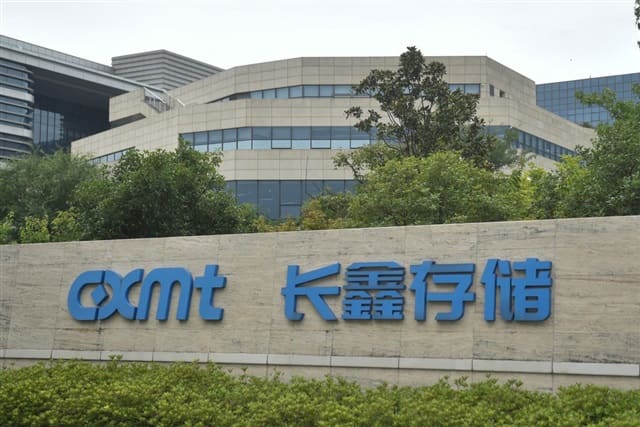
ChangXin Memory Technologies completes validation phase for next-generation mobile DRAM, setting up direct competition with established Korean and US chipmakers
KEY TAKEAWAYS
- ·ChangXin Memory Technologies has completed R&D validation for LPDDR6 mobile DRAM, moving toward mass production and challenging Samsung, SK Hynix, and Micron.
- ·LPDDR6 will become standard in flagship smartphones and AI-enabled devices, with higher bandwidth and energy efficiency critical for on-device processing.
- ·CXMT's progress narrows the technology gap between Chinese memory makers and established rivals, though high-volume manufacturing with competitive yields remains the key test.
Validation Complete for Next-Gen Mobile Memory
ChangXin Memory Technologies has wrapped up research and development validation for LPDDR6, positioning the Chinese chipmaker to begin mass production of next-generation mobile DRAM. The milestone brings CXMT into direct competition with Samsung Electronics, SK Hynix, and Micron in a market segment critical to smartphones, tablets, and AI-enabled edge devices.
LPDDR6 represents the latest evolution in low-power double data rate memory, designed to deliver higher bandwidth and improved energy efficiency for mobile applications. The technology is expected to become standard in flagship smartphones and AI-accelerated mobile processors over the next two years.
CXMT's progress follows years of government-backed investment in China's domestic semiconductor industry, aimed at reducing reliance on foreign memory suppliers. The company has focused on DRAM production as part of Beijing's broader push for chip self-sufficiency, particularly in memory technologies where South Korean and US firms hold dominant market positions.
Competitive Pressure in Mobile DRAM
Samsung and SK Hynix currently control the majority of global DRAM production, with both companies already shipping LPDDR5X and preparing for LPDDR6 volume manufacturing. Micron, the largest US-based memory maker, has similarly announced plans to ramp LPDDR6 output to meet demand from smartphone manufacturers and automotive clients.
CXMT's entry into LPDDR6 production would mark a significant step in narrowing the technology gap between Chinese memory makers and their established rivals. The company previously focused on older-generation DRAM standards, including DDR4 and LPDDR4X, before accelerating development of more advanced specifications.
Industry observers note that CXMT has secured substrate supply agreements with South Korean firms, including Haesung DS, which recently began providing DDR5 substrates. Such partnerships are essential for scaling production, as advanced packaging materials remain a bottleneck for memory manufacturers expanding capacity.
Supply Chain and Market Implications
The timing of CXMT's LPDDR6 push coincides with a broader expansion cycle across the memory industry. Samsung and SK Hynix have both prioritized DDR5 production as profit margins approach those of high-bandwidth memory, while forecasts suggest potential oversupply by 2028 if capacity additions outpace demand growth.
CXMT's ability to reach mass production will depend on yield optimization and securing customers in China's vast smartphone and electronics manufacturing base. Domestic brands such as Xiaomi, Oppo, and Vivo represent a natural customer pool, particularly as geopolitical tensions and export controls push Chinese OEMs to diversify their memory supply chains.
The shift toward LPDDR6 is also tied to the rise of on-device AI processing, which demands higher memory bandwidth to handle large language models and real-time inference tasks. Mobile processors from Qualcomm, MediaTek, and Chinese chipmakers increasingly integrate AI accelerators that rely on faster, more efficient memory subsystems.
What Comes Next
CXMT's progress in LPDDR6 development reflects both the scale of China's semiconductor ambitions and the technical challenges that remain. While completing R&D validation is a critical milestone, transitioning to high-volume manufacturing with competitive yields and reliability will determine whether the company can capture meaningful market share.
For Samsung, SK Hynix, and Micron, the emergence of a credible Chinese competitor in mobile DRAM adds pressure to maintain technology leadership and cost efficiency. The three incumbents have invested heavily in next-generation memory architectures, including LPDDR6 and beyond, to preserve their market dominance as Chinese production capacity grows.
The broader memory market is entering a period of uncertainty, with expansion plans colliding with cyclical demand patterns and geopolitical friction. CXMT's LPDDR6 trajectory will offer a key indicator of how quickly China can close the gap in advanced memory technologies and reshape competitive dynamics across the Asia-Pacific semiconductor landscape.
RELATED STORIES
China's Chip Makers Split Three Ways Beneath the Revenue Growth
Tran Quoc Bao · 3 min
JCET Eyes $968 Million to Scale AI Packaging Lines
Tran Quoc Bao · 3 min

Seres Assumes Full Control of Aito Brand as Huawei Steps Back
Jun-ho Seo · 3 min
Ant Group's Health Platform Logs 150 Million Users as Digital Wellness Gains Traction
Siti Nuraini · 3 min
Spot something wrong? Email editor@briefasia.com. We log every correction publicly.