Finance · Markets
Bank of Japan Holds Rates at 1 Percent as Tokyo Intervenes to Prop Up Yen
Central bank signals continued tightening path while government deploys currency intervention for first time since June rate hike
KEY TAKEAWAYS
- ·The Bank of Japan held its short-term rate at 1 percent on Friday, hours after the government intervened in currency markets to support the yen from four-decade lows.
- ·The BOJ revised its fiscal 2026 growth forecast upward while cutting inflation projections modestly, citing subsidies and lower oil costs alongside stronger factory output.
- ·Most analysts expect the central bank to raise rates to 1.25 percent by year-end, though a recent 7.1-magnitude earthquake in Kumamoto and U.S. rate dynamics add uncertainty to the timeline.
Rate Decision Follows Currency Intervention
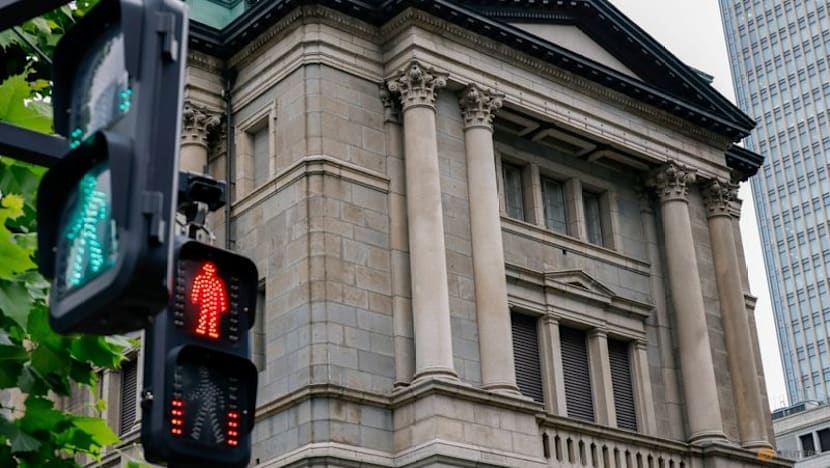
The Bank of Japan maintained its short-term interest rate at 1 percent on Friday, just hours after the government executed yen-buying operations in New York markets to arrest the currency's slide to four-decade lows. The decision came at the conclusion of a two-day policy meeting, with attention turning to whether the central bank would signal a faster pace of tightening ahead.
The timing of the currency intervention underscores the pressure on Governor Kazuo Ueda to demonstrate a more aggressive stance on borrowing costs. Having raised rates from 0.75 percent to 1 percent in June, the BOJ now faces criticism that its gradual normalization path is contributing to yen weakness, which has pushed import costs higher and squeezed household budgets across Japan.
Hajime Takata, the board's most hawkish member, was expected by some analysts to dissent and propose an immediate hike to 1.25 percent, though no official confirmation emerged following the meeting.
Outlook Revision Points to Growth Confidence
The central bank's quarterly outlook report, released alongside the rate decision, revised upward its growth forecast for fiscal 2026. The adjustment reflects diminished concerns about economic fallout from the Middle East conflict, which had earlier threatened supply chains and energy markets across Asia.
Inflation projections, however, saw a modest downward revision. Subsidies and lower oil costs from April levels contributed to the adjustment, though volatile energy markets and import-price pressures from the weak yen limited the scale of the cut.
Factory output data released Friday showed gains in June, with manufacturers projecting further increases through August. Core inflation in Tokyo accelerated to 1.7 percent year-on-year in July, indicating that price pressures are broadening beyond energy.
Tightening Timeline Under Scrutiny
Markets are parsing Ueda's post-meeting comments for signals on the next rate move. Most analysts surveyed expect the BOJ to raise rates to 1.25 percent before year-end, maintaining the pattern of one hike roughly every six months.
Kei Fujimoto, senior economist at SuMi Trust, noted that stronger growth forecasts reinforce the case for continued policy normalization. He added that accelerating import-price inflation could push the BOJ toward a faster tightening schedule than previously anticipated.
The challenge for Ueda lies in managing market expectations while balancing external pressures. The U.S. Federal Reserve held rates steady on Wednesday, though three board members dissented in favor of a quarter-point hike, a signal that borrowing costs may rise further and widen the rate differential that has weighed on the yen.
Earthquake Adds Uncertainty
A 7.1-magnitude earthquake struck Kumamoto prefecture in southern Japan earlier this week, damaging facilities operated by major manufacturers and semiconductor producers. The economic impact remains unclear, but the disaster introduces a variable that could temper the BOJ's appetite for aggressive tightening in the near term.
Pressure from the administration, which has historically favored accommodative monetary policy to support growth, may also constrain the central bank's room to maneuver. The government's decision to intervene in currency markets suggests frustration with the BOJ's pace, yet it also reflects the limits of monetary policy alone in stabilizing the yen when rate differentials with the U.S. remain wide.
The yen intervention marks the first direct market action since the June rate hike failed to deliver lasting support for the currency. Whether the BOJ accelerates its tightening path or maintains its gradual approach will likely depend on incoming data on inflation, wage growth, and the economic toll from the Kumamoto earthquake.
For now, the central bank's message is one of cautious resolve: rates will continue to rise, but the timeline remains flexible. That ambiguity leaves room for adjustment, but it also prolongs the uncertainty that has kept yen bears active in currency markets.
RELATED STORIES

Bank of Japan Prepares Third Rate Increase in Ten Months
Aiko Nakamura · 3 min
Bank of Japan to Continue Rate Increases to Anchor Inflation at 2 Per Cent
Aiko Nakamura · 3 min

Japan Wage Growth Hits 29-Year High, Reinforcing Central Bank Rate Path
Aiko Nakamura · 3 min

Japan's Central Bank and Markets Diverge on Rate Hike Trajectory
Aiko Nakamura · 3 min
Spot something wrong? Email editor@briefasia.com. We log every correction publicly.