Finance · Markets
Asian Tech Stocks Surge 3% Despite Escalating Gulf Conflict
Tokyo and Seoul equities rallied on renewed tech appetite while oil markets absorbed news of Iranian strikes on US military installations in Kuwait and Bahrain

KEY TAKEAWAYS
- ·Tokyo rose more than 3% and Seoul climbed 3.6% Tuesday as technology stocks rebounded from recent losses driven by AI valuation concerns.
- ·Iranian forces struck US radar and air defense installations in Kuwait and Bahrain following US attacks on Iranian military capabilities in the Strait of Hormuz.
- ·Major tech earnings from Tesla, Alphabet, Microsoft, Meta, Apple, and Amazon over the next two weeks will test whether AI infrastructure spending delivers sustainable profits.
Tech Rally Defies Geopolitical Turbulence
Asian equity markets posted sharp gains Tuesday, led by technology stocks that had suffered steep losses in recent sessions over valuation concerns. Tokyo's benchmark index climbed more than 3%, Seoul advanced 3.6%, and Shanghai rose nearly 2%, tracking strength in US tech shares from the previous session.
The rebound came despite fresh hostilities in the Gulf, where Iranian forces targeted US radar and air defense installations in Kuwait and Bahrain late Monday. The strikes followed a new round of US attacks that Washington said aimed to degrade Iranian military capabilities used against commercial shipping in the Strait of Hormuz.
European markets opened with modest gains. Frankfurt edged up 0.2% and Paris gained 0.1%, while London slipped 0.1% in early trading.
Doubts Linger Over AI Valuations
The technology sector had tumbled in recent days on persistent worries about overheated valuations in artificial intelligence, with semiconductor manufacturers bearing the brunt of selling pressure. Monday's Nasdaq advance sparked a wave of buying across Asian chipmakers and platform companies.
Stephen Innes of SPI Asset Management cautioned that the recovery lacks conviction. The rebound does not reflect "a decisive improvement in the AI fundamentals," according to Innes, who noted that major technology companies must now demonstrate that AI revenues, margins, and cash flow can justify the massive capital commitments to infrastructure.
Earnings season for the sector begins this week with Tesla and Alphabet reporting results, followed by Microsoft, Meta, Apple, and Amazon next week. Investors will scrutinize whether spending on data centers, chips, and AI models is translating into sustainable profit growth.
Oil Markets Absorb Middle East Escalation
Oil prices edged lower Tuesday despite the weekend fighting that killed three more US service members. President Donald Trump vowed Iran would pay "many times over" for the deaths, prompting the US military campaign late Monday.
Iran's military command announced it had struck US assets including air defense systems, radar installations, and administrative buildings in Kuwait and Bahrain. The Houthi movement in Yemen, aligned with Tehran, said Monday it would blockade Saudi ports, threatening Riyadh's ability to route some oil exports around the Strait of Hormuz.
Michael Wan at MUFG said any disruptions are unlikely to persist given the Houthis' limited capability to enforce a blockade and identify Saudi-linked vessels. "All-in from a market perspective we think it's still a reasonable base case that there is resolution in the conflict, even if things may get worse before it gets better," Wan said.
Trade and Diplomatic Tensions Widen
Trump signed executive orders Monday imposing 50% tariffs on a range of Canadian goods, citing what the White House called "discriminatory treatment" of American alcohol, automobile, and dairy products. The move adds to a growing list of trade frictions between Washington and its traditional allies.
In Southeast Asia, US Secretary of State Marco Rubio condemned China's actions in the South China Sea following a confrontation with the Philippine navy. Rubio arrived for an Asean foreign ministers' meeting where maritime security is expected to dominate discussions.
UK Fiscal Data Surprises
British government borrowing fell more sharply than forecast in June, according to official data released Tuesday. The figures offered a measure of relief to Prime Minister Andy Burnham, who inherited strained public finances and announced plans to remove tax on household electricity bills.
Bond yields had risen after Burnham's announcement, reflecting investor concerns about the fiscal implications of the tax cut. Tuesday's borrowing data suggested the government retains some room to maneuver on revenue policy.
The divergent forces shaping markets this week highlight the tension between corporate earnings momentum in technology and the risks posed by geopolitical instability and trade policy. Investors are balancing optimism about AI-driven growth against the reality that much of that growth remains unproven, while oil markets weigh supply risks from the Gulf against ample global production capacity.
RELATED STORIES

Japan Deploys $96.5 Billion in Currency Intervention to Halt Yen's Slide
Aiko Nakamura · 3 min
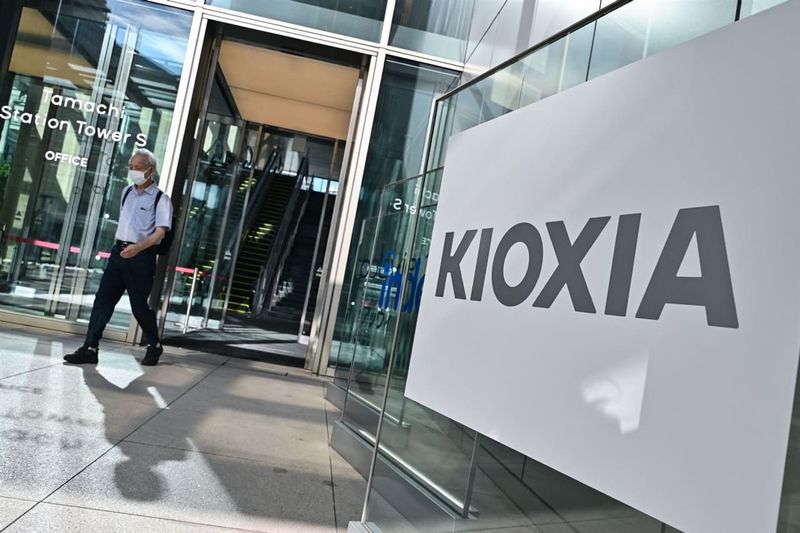
Kioxia Pushes Flash Memory to Replace DRAM Amid Market Squeeze
Jun-ho Seo · 3 min

Honda Demands 30% Price Cuts From Suppliers in $9.4 Billion Cost Plan
Cheng Wei-Lun · 3 min

Malaysia's Rare Earth Deposits Draw Foreign Interest Ahead of China Export Controls
Priyanka V. Rao · 3 min
Spot something wrong? Email editor@briefasia.com. We log every correction publicly.