Sustainability · Energy
Asia's Top Environmental Fund Backs Japan's Chipmakers for AI Energy Solutions
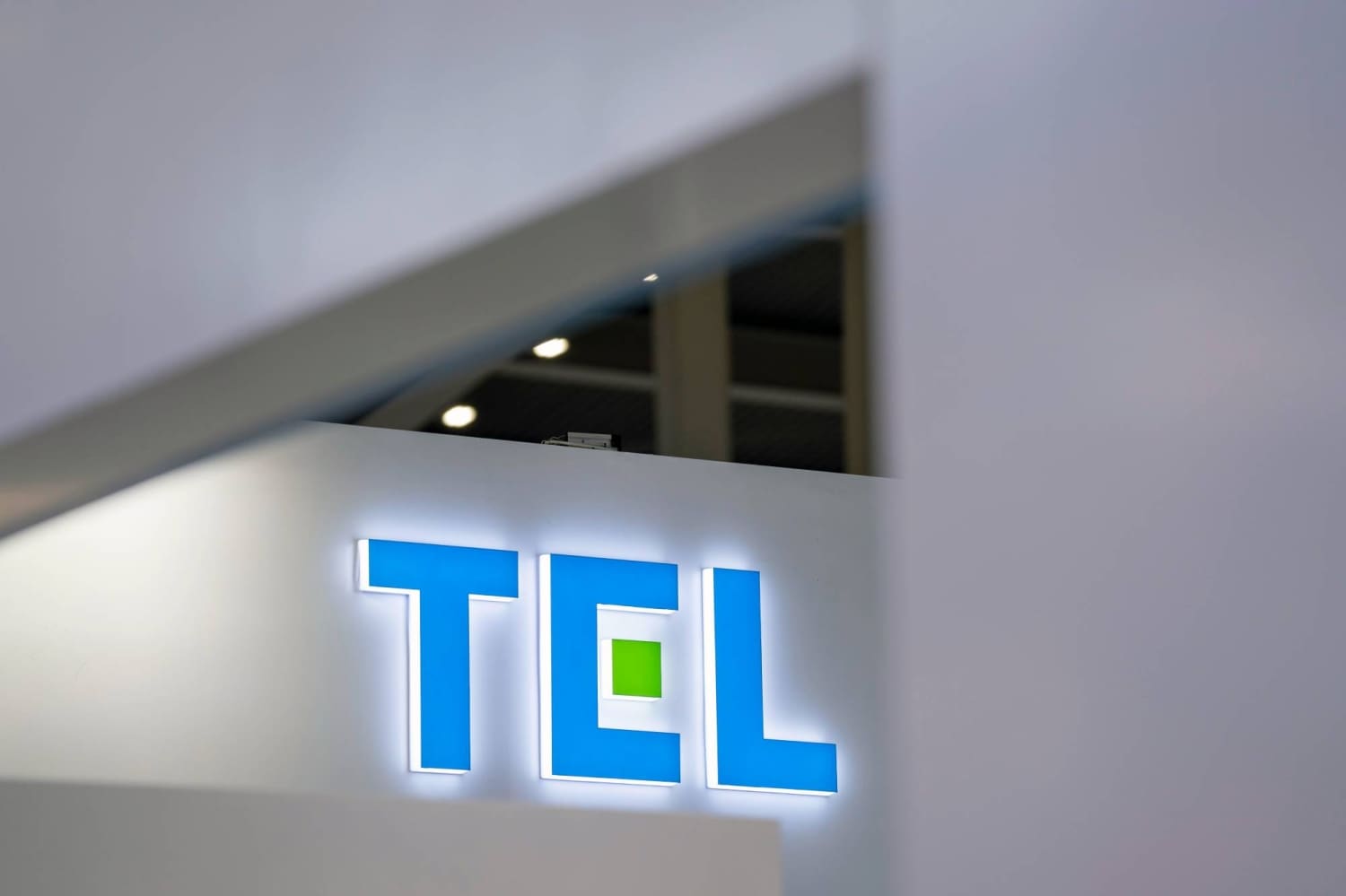
Tokyo Electron leads portfolio as fund managers bet on semiconductor efficiency to power data center growth across the region
KEY TAKEAWAYS
- ·Asia's best-performing environmental fund has made Tokyo Electron and Japanese semiconductor equipment makers top holdings, citing energy-saving chip technology as critical for AI infrastructure growth.
- ·Japanese chipmaking tool suppliers benefit from ¥450 billion in government subsidies through 2027 for energy-efficient semiconductor projects, ahead of similar programs in South Korea and Taiwan.
- ·Data center power constraints across Singapore, Tokyo, and other Asian hubs are forcing hyperscalers to prioritize chips optimized for lower electricity consumption per compute unit.
Semiconductor Efficiency Moves to Center Stage
Asia's leading environmental fund has placed Japanese semiconductor equipment manufacturers among its core holdings, signaling a strategic shift in how institutional investors view the intersection of artificial intelligence and energy consumption. Tokyo Electron, a major supplier of chipmaking tools, features prominently in the portfolio as fund managers identify energy-saving technology as a bottleneck constraint for AI expansion.
The positioning reflects growing concern across Asian financial centers about power infrastructure keeping pace with data center buildout. Electricity demand from AI training and inference workloads has surged 40 percent year-on-year across major cloud providers, according to industry estimates, straining grid capacity in markets from Singapore to Seoul.
The Japan Angle
Japanese equipment makers hold structural advantages in precision manufacturing processes that reduce energy waste during chip production. Tokyo Electron's lithography and etching systems are designed to minimize power draw per wafer processed, a metric increasingly scrutinized by hyperscalers evaluating total cost of ownership for their semiconductor supply chains.
The fund's thesis centers on regulatory tailwinds. Japan's Ministry of Economy, Trade and Industry has earmarked ¥450 billion in subsidies through 2027 for semiconductor projects that meet energy efficiency thresholds, creating a direct incentive for equipment upgrades. South Korea and Taiwan have introduced parallel programs, but Japan's focus on equipment rather than fab capacity gives its suppliers early mover positioning.
Portfolio Construction Beyond Hype
Fund managers avoided pure-play AI stocks, instead concentrating on companies that enable efficiency gains across the technology stack. This approach insulates returns from valuation swings in software and cloud names while capturing structural demand for lower-power chips.
Tokyo Electron's order backlog reached record levels in the first half of 2026, driven by logic and memory customers retooling production lines. The company's extreme ultraviolet lithography systems consume 30 percent less electricity than prior-generation tools, a specification now written into procurement contracts by leading foundries.
Other Japanese holdings in the environmental fund include industrial gas suppliers and thermal management specialists, both categories experiencing margin expansion as chipmakers optimize for energy density. The fund has underweighted Chinese semiconductor names despite lower valuations, citing uncertainty around export control compliance and grid reliability in western provinces where new fabs are concentrated.
Regional Power Constraints Tighten
Data center operators across Asia face harder tradeoffs than their North American counterparts. Land scarcity in Singapore has forced new facilities into Malaysia and Indonesia, where power quality and latency create operational risk. Tokyo and Osaka offer stable grids but electricity costs run 20 percent above Hong Kong, pressuring hyperscalers to extract more compute per kilowatt-hour.
This dynamic favors chip architectures optimized for inference workloads, which dominate revenue for cloud providers serving enterprise customers. Tokyo Electron's deposition and etch tools are critical for manufacturing the advanced packaging required by these designs, positioning the company at a chokepoint in the supply chain.
What Comes Next
The fund's exposure to Japanese semiconductor equipment reflects a broader reallocation within ESG strategies, moving capital from renewable energy generation into demand-side efficiency. Solar and wind assets have faced margin compression as manufacturing overcapacity in China drove panel and turbine prices down 35 percent since 2024, eroding returns for project developers.
Semiconductor equipment offers higher barriers to entry and stickier customer relationships, with Tokyo Electron maintaining service contracts that generate recurring revenue over 10-year equipment lifecycles. The fund views this business model as more defensible than commodity hardware plays.
Asian governments are likely to tighten energy efficiency mandates for data centers, following the European Union's rollout of power usage effectiveness requirements in 2025. Investors expect Japan to lead regional standard-setting given its historical role in industrial energy policy, creating home-market advantages for domestic equipment makers before rules cascade to other jurisdictions.
Fund performance data shows the strategy delivered returns 280 basis points above its benchmark in the trailing twelve months, with semiconductor holdings contributing two-thirds of outperformance. Managers plan to maintain overweight positions through the next capex cycle, viewing AI energy consumption as a multi-year investment theme rather than a transient concern.
RELATED STORIES
Japan's Military Adopts NTT Optical Network for AI-Ready Defense Communications
Aiko Nakamura · 3 min

Japan Wage Growth Hits 29-Year High, Reinforcing Central Bank Rate Path
Aiko Nakamura · 3 min
Preferred Networks Eyes Public Listing to Scale AI Chip Production
Aiko Nakamura · 2 min
Yen Climbs to Eight-Month High as Rate Hike Expectations Shift Sentiment
Jun-ho Seo · 3 min
Spot something wrong? Email editor@briefasia.com. We log every correction publicly.