Technology · Products
Apple Lifts iPhone 17 Prices in Japan by 10 Percent Amid Yen Weakness
Currency headwinds force pricing adjustment in one of Asia's largest smartphone markets, testing consumer loyalty in a price-sensitive economy.
KEY TAKEAWAYS
- ·Apple raised iPhone 17 prices in Japan by 10 percent due to the weak yen, marking one of the steepest single-year increases in the market.
- ·The adjustment tests consumer loyalty in a mature, price-sensitive market where replacement cycles are lengthening and competition is intensifying.
- ·The move signals Apple's priority on margin defense over volume and may set a precedent for pricing adjustments across other Asian markets facing currency pressures.
Pricing Pressure in Tokyo
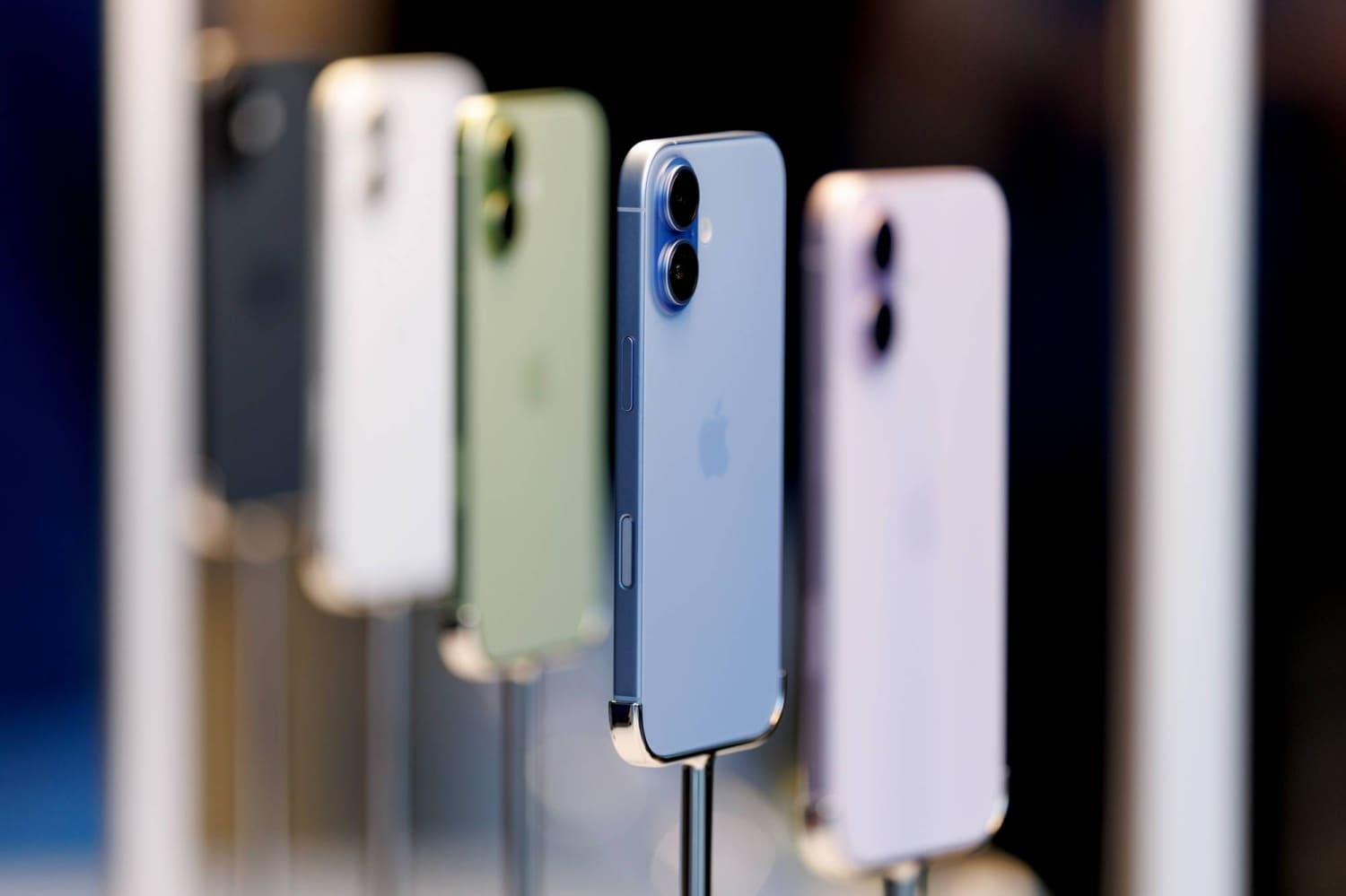
Apple has raised the retail price of its iPhone 17 lineup in Japan by 10 percent, a move driven by the persistent weakness of the yen against the US dollar. The adjustment affects all models in the new generation and represents one of the sharpest single-year price increases the company has implemented in the Japanese market in recent years.
The decision underscores the challenges multinational technology firms face when navigating currency volatility across Asian markets. Japan remains one of Apple's largest revenue sources in the region, with iPhone penetration rates among the highest globally. The price hike arrives at a delicate moment: consumer spending in Japan has shown signs of recovery, but household budgets remain stretched by broader inflation.
Currency Math and Margin Defense
Apple prices its products in US dollars at the corporate level, then converts those figures into local currencies for each market. When the yen weakens, the company faces a choice: absorb the margin hit or pass costs to consumers. This time, Apple chose the latter.
The yen has traded in a relatively narrow but weak band against the dollar over the past year, hovering near levels that make imports more expensive for Japanese consumers. For Apple, maintaining global pricing parity while protecting margins has meant adjusting sticker prices in yen terms. The 10 percent increase brings the iPhone 17's entry-level model closer to ¥140,000, depending on configuration, a threshold that was once reserved for premium-tier devices.
Competitors in Japan's smartphone market, including Samsung and domestic players like Sony, have faced similar pressures. However, Apple's brand strength and ecosystem lock-in give it more latitude to raise prices without immediately losing share. The question is whether that pricing power has limits, especially as Chinese brands expand their presence in Asia with aggressively priced alternatives.
Market Dynamics and Consumer Response
Japan's smartphone market is mature, with replacement cycles lengthening and consumers increasingly weighing value against incremental feature upgrades. The iPhone 17, while offering improvements in processing power and camera capabilities, does not represent a dramatic leap over its predecessor. That makes the price increase harder to justify on technical grounds alone.
Carriers in Japan, which bundle handsets with service plans and often subsidize device costs, will play a key role in determining how much of the price hike consumers actually feel. Historically, Japanese carriers have absorbed some pricing adjustments to retain subscribers, but their willingness to do so has limits, particularly as they face their own cost pressures.
Early reactions from retail channels suggest mixed sentiment. Premium consumers and those deeply embedded in the Apple ecosystem are likely to proceed with upgrades regardless. However, price-sensitive buyers, particularly younger demographics and first-time smartphone purchasers, may delay purchases or consider alternatives.
Regional Implications
Apple's decision in Japan carries implications for pricing strategy across Asia. If the company can successfully implement a double-digit price increase in a market as sophisticated and competitive as Japan, it may embolden similar moves in South Korea, Taiwan, and Southeast Asian markets where currencies have also faced pressure.
However, each market presents distinct dynamics. South Korea's strong domestic brands, Taiwan's tech-savvy consumers, and Southeast Asia's rapid growth in mid-tier Android adoption all complicate the pricing calculus. Japan serves as a test case: a high-income market with strong Apple loyalty but also deep consumer expectations around value and quality.
The yen's trajectory will be closely watched. If the currency stabilizes or strengthens, Apple may face pressure to reverse some of the increase or hold prices flat for the next generation. If weakness persists, further adjustments are likely, potentially eroding the company's market position over time.
What Comes Next
Apple has not commented publicly on the pricing decision beyond updating its online store and retail channels. The company rarely discusses currency-driven adjustments in detail, preferring to let market dynamics play out. Investor focus will shift to unit sales data in the coming quarters, which will reveal whether demand in Japan remains resilient or begins to soften.
For now, the 10 percent hike stands as a clear signal: Apple is prioritizing margin preservation over volume growth in markets where currency risk cannot be hedged away. Whether Japanese consumers accept that trade-off will shape pricing strategy across the region for years to come.
RELATED STORIES

Honda and Nissan Align on Software-Defined Vehicle Development
Cheng Wei-Lun · 2 min

Fujitsu to Exit Commodity Hardware as AI Shifts Production Strategy
Aiko Nakamura · 4 min
Honda and Nissan Form Alliance to Develop Software-Defined Vehicle Platforms
Aiko Nakamura · 3 min

Japan's Military Adopts NTT Optical Network for AI-Ready Defense Communications
Aiko Nakamura · 3 min
Spot something wrong? Email editor@briefasia.com. We log every correction publicly.