Finance · Markets
Vietnam's Overnight Lending Rate Falls to 15-Month Low
Interbank overnight rate drops to lowest level since March 2024 amid abundant liquidity in banking system
KEY TAKEAWAYS
- ·Vietnam's overnight interbank lending rate has fallen to its lowest level since March 2024, indicating abundant liquidity in the banking system.
- ·The rate compression suggests banks hold excess capital with limited immediate borrowing demand, raising questions about credit appetite in the economy.
- ·Lower funding costs may eventually transmit to retail lending rates, though this depends on borrower demand and banks' willingness to expand lending in viable sectors.
Liquidity Surge in Banking System
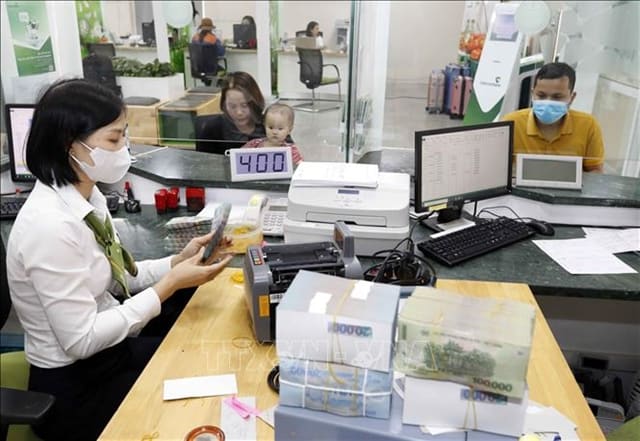
Vietnam's overnight interbank lending rate has dropped to its lowest level since March 2024, marking a significant shift in the country's money market conditions. The rate decline reflects a substantial increase in liquidity within the banking system, as lenders find themselves with excess capital and limited immediate borrowing demand.
The overnight rate serves as a critical barometer for short-term liquidity conditions in any banking system. When banks hold surplus cash, they lend to each other at lower rates overnight rather than leaving funds idle. The current compression suggests Vietnamese banks are experiencing comfortable liquidity positions, reducing the urgency for short-term funding.
Credit Growth and Economic Activity
The rate environment points to a broader dynamic in Vietnam's financial sector. While banks hold ample liquidity, the question turns to where that capital is flowing and whether credit demand from businesses and consumers matches the available supply.
Vietnam's economy has been navigating a complex recovery phase, with export manufacturing showing resilience while domestic consumption and real estate investment remain mixed. The banking sector entered 2024 with government directives to expand lending, particularly to priority sectors including manufacturing, infrastructure, and small enterprises.
Lower interbank rates typically precede adjustments in retail lending rates, as banks pass through reduced funding costs to borrowers. However, the transmission mechanism depends on credit appetite from viable borrowers and banks' willingness to expand balance sheets in sectors they view as adequately collateralized.
Regional Monetary Context
Vietnam's rate movement comes against a backdrop of diverging monetary policy across Asia. While some regional central banks have maintained restrictive stances to combat persistent inflation, others have begun easing cycles. The State Bank of Vietnam has signaled a supportive monetary posture, prioritizing economic growth while monitoring inflation dynamics.
The dong has remained relatively stable against the dollar in recent months, providing the central bank with room to maintain accommodative conditions without triggering capital outflows or currency volatility. This stability differentiates Vietnam from some regional peers that face sharper trade-offs between domestic easing and external pressures.
Implications for Credit Markets
For corporate treasurers and financial institutions, the current rate environment presents both opportunities and signals. Lower funding costs improve the economics of working capital financing and short-term bridge facilities. Companies with strong cash management can optimize returns on surplus balances, though yields on overnight placements have naturally compressed.
The persistence of low overnight rates will likely influence term structure across the yield curve. If liquidity remains abundant, pressure will build for rates to decline across longer maturities, affecting everything from corporate bond pricing to mortgage rates.
Looking Forward
The trajectory of Vietnam's money market rates depends on several factors in coming months. Credit growth acceleration would absorb excess liquidity and potentially stabilize rates. Conversely, if loan demand remains tepid despite low funding costs, the overnight rate could remain compressed or drift even lower.
Seasonal patterns also matter. Vietnam's banking system typically experiences liquidity tightening around Lunar New Year and at quarter-ends when regulatory reporting and cash demand peak. The current rate levels suggest banks are positioning well ahead of those predictable stress points.
The State Bank's open market operations will continue to shape short-term rate dynamics. If policymakers view current liquidity conditions as excessive, they could adjust reserve requirements or conduct sterilization operations to drain surplus funds and support a higher rate floor.
For now, the overnight rate stands as a clear indicator that Vietnam's banking system holds more capital than it can immediately deploy, a condition that reflects both successful liquidity management and lingering questions about the pace of economic activity that will drive credit absorption in the quarters ahead.
RELATED STORIES

Vietnam Pursues Deeper Capital Market Ties with London
Tran Quoc Bao · 3 min

Vietnam Gold Hits One-Month Peak as Global Prices Surge 5% in a Week
Priyanka V. Rao · 3 min

Viettel Secures Spectrum License in Dominican Republic Telecom Auction
Priyanka V. Rao · 2 min
Vietnam's National Assembly Closes Extraordinary Session With Nuclear and Renewable Energy Approvals
Tran Quoc Bao · 3 min
Spot something wrong? Email editor@briefasia.com. We log every correction publicly.