Asia · Business
Singapore's Dollar Stores Face Existential Threat as E-Commerce Slashes Margins
Japan Home's losses more than doubled to S$2.3 million as rental and labor costs collide with online competition from Taobao and TikTok Shop
KEY TAKEAWAYS
- ·Japan Home closed multiple outlets and licensed remaining stores to Value Dollar owner Radha Exports after losses exceeded S$2.3 million in fiscal 2025, more than double the prior year.
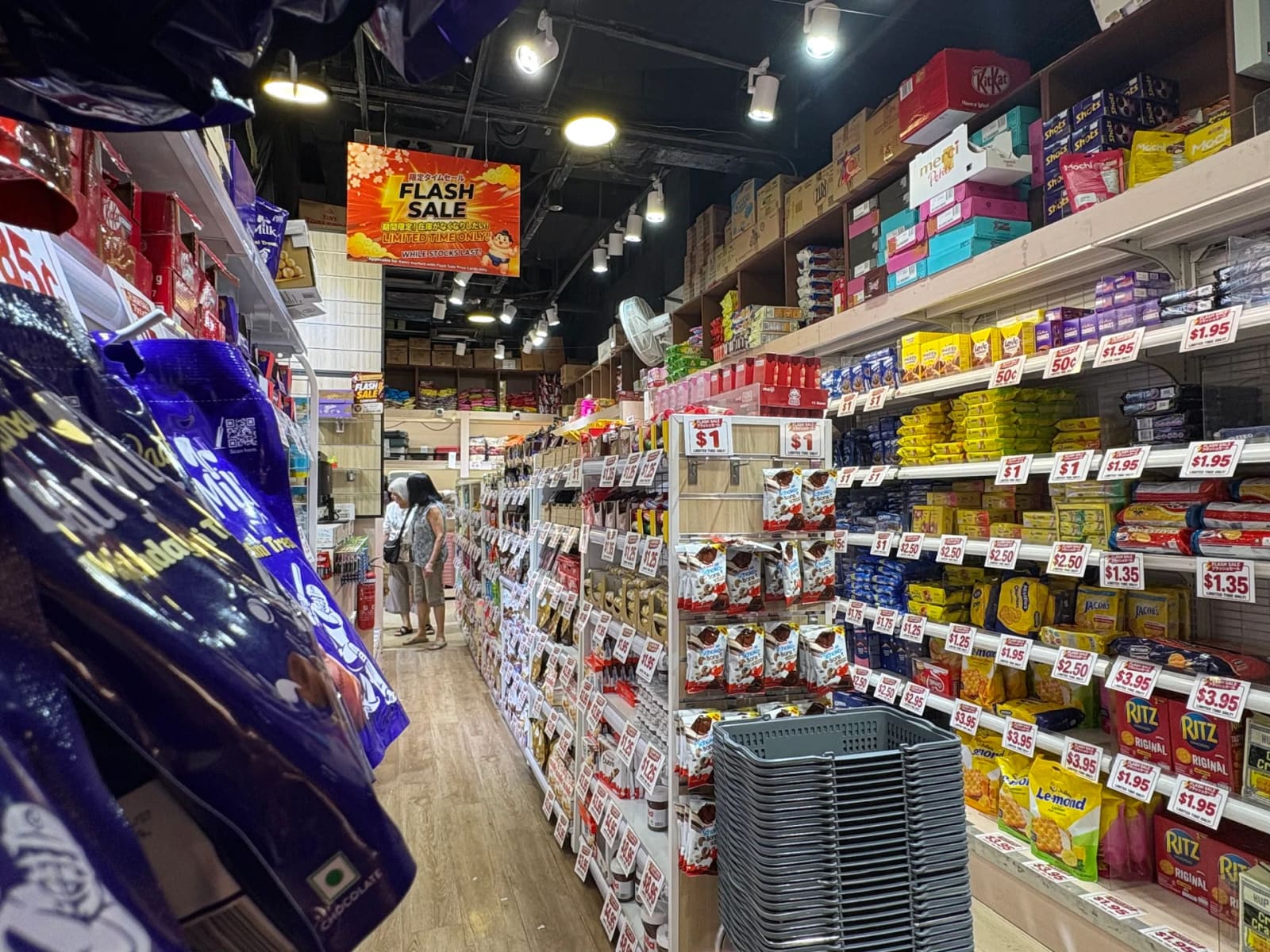
- ·E-commerce platforms like Taobao and TikTok Shop eliminate rental and inventory costs that burden physical dollar stores, while same-day delivery replicates in-person convenience.
- ·Analysts suggest data analytics and tighter inventory management may offer survival paths, but high overhead costs make low-price physical retail increasingly unviable in Singapore.
The Squeeze Intensifies
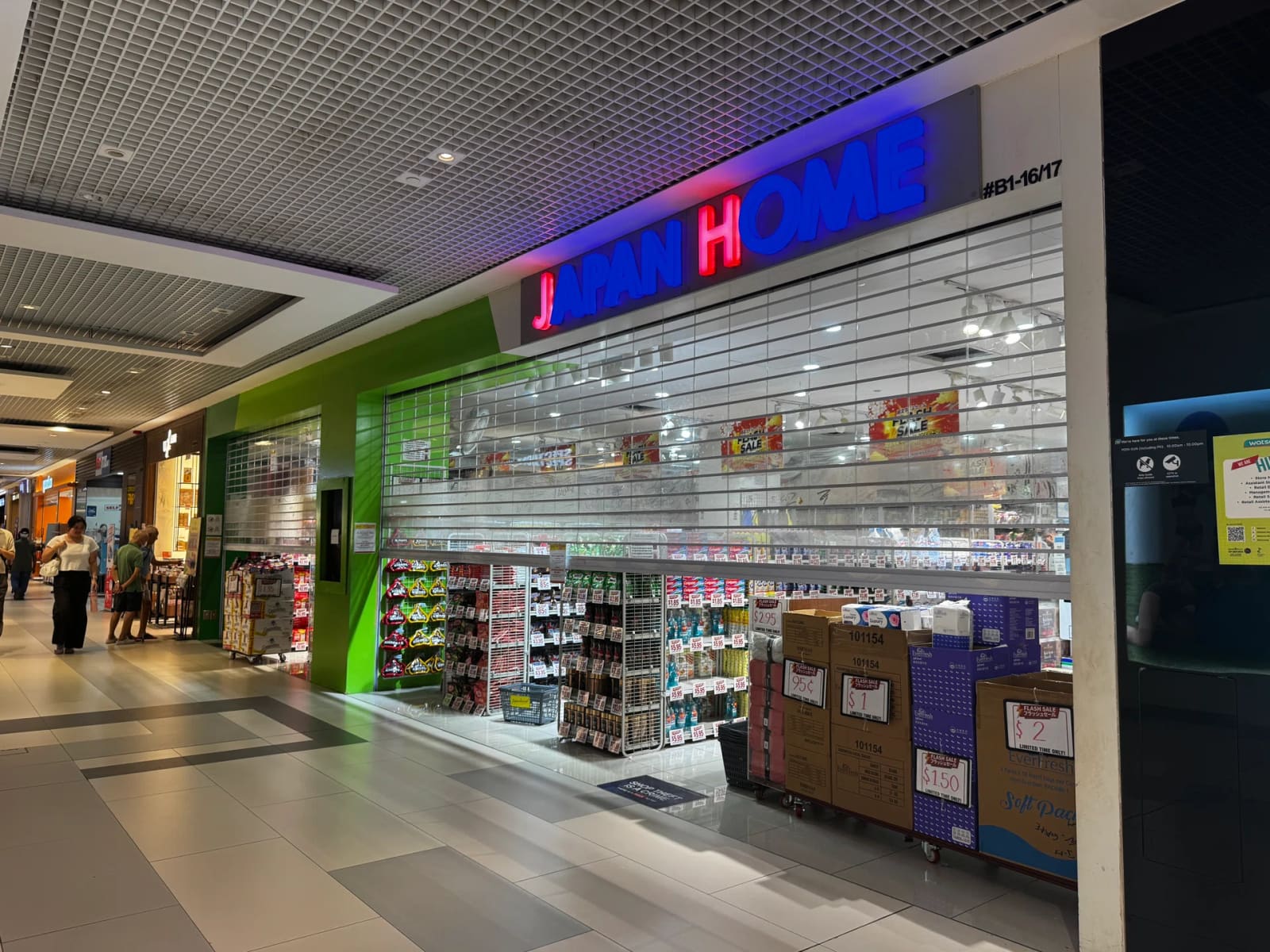
Japan Home shuttered multiple Singapore branches in June and July before licensing its remaining outlets to Radha Exports, the fast-moving consumer goods company behind rival chain Value Dollar. The move came after the household retail chain's losses after tax climbed to S$2.3 million for the financial year ended April 30, 2025, more than double the S$858,596 loss recorded the previous year, according to data from the Accounting and Corporate Regulatory Authority.
The chain had posted declining profits for three consecutive years before 2024. Financial results for the year ended April 30, 2026 remain unavailable.
Radha Exports assumed operational control of Japan Home's surviving stores on August 19, folding them into its dollar store portfolio. The transaction highlights mounting pressure on Singapore's physical discount retailers as they struggle to justify storefront economics in an increasingly digital marketplace.
Overhead Costs Versus Online Efficiency
Lee Swee Siong, vice-president of the Association of Small & Medium Enterprises, pointed to razor-thin margins as the core problem. Physical stores must maintain sufficient margins to cover rental costs, but sales volumes at Japan Home likely fell short of what was needed to sustain operations.
Rental and labor expenses form the heaviest burden for dollar stores, compounded by utilities and logistics costs. Shipping expenses have climbed further due to disruptions from the Iran conflict, adding pressure on chains dependent on cargo deliveries.
The competitive landscape has grown more hostile. Budget Chinese brands including Miniso have expanded their footprint in Singapore, while the upcoming Johor-Singapore Rapid Transit System Link will make cheaper products across the Causeway even more accessible to consumers.
Yet the most disruptive force remains e-commerce platforms. Taobao, Pinduoduo, and TikTok Shop operate without physical storefronts, eliminating the rental overhead that weighs on brick-and-mortar competitors. Same-day delivery options from these platforms replicate much of the convenience once exclusive to in-person shopping.
Lee noted that online shops connect consumers directly to manufacturers for order fulfillment, a model that bypasses inventory holding costs and rental expenses. Physical stores cannot match that structural advantage.
Daiso Retreats, 7-Eleven Endures
Daiso, another popular discount chain in Singapore, closed three outlets in 2026 at 100AM mall in Tanjong Pagar, Tampines 1, and Sembawang Shopping Centre. Song Seng Wun, economic adviser at fintech firm SDAX, framed the challenge as a mismatch between rising operating costs and revenue growth. The question is whether product turnover keeps pace with expenses, he said.
Convenience store chain 7-Eleven has weathered the same cost pressures by leaning on strategic locations across Singapore. Customers accept higher prices in exchange for proximity and round-the-clock access, a value proposition that transcends pure price competition.
The disruption extends beyond Singapore. E-commerce platforms are eroding the business model for dollar stores in Malaysia as well, according to industry observers.
Data as a Lifeline
Song suggested that survival hinges on better manpower management and smarter inventory decisions. Physical dollar stores operating on thin margins must track which products move and which do not, making purchasing decisions critical.
Data analytics can sharpen this edge, helping businesses reduce manpower costs or guide employees toward more cost-effective stock choices. Stores that deploy these tools may carve out a path forward in an environment where structural disadvantages loom large.
Lee from ASME remained skeptical. High overhead costs make low-price retail nearly impossible to sustain in person, he argued. Without the cost structure of online platforms or the location premium of convenience stores, dollar chains face a narrow window for reinvention.
The fate of Japan Home and the closures at Daiso signal a broader reckoning for discount retail in Singapore. Whether better data and tighter operations can offset the fundamental cost gap remains an open question.
RELATED STORIES

Singapore Authorities Open Investigation Into Global Iron Ore Trading House Radiant World
Priyanka V. Rao · 5 min

Sembcorp Eyes Clark Industrial Park as Singapore Model Expands to Philippines
Priyanka V. Rao · 3 min
Japan Home Hands Singapore Operations to Valu$ Parent Under Three-Year License
Lim Hui Ying · 3 min

Sunway Construction Wins $257 Million Contract From US Tech Multinational
Cheng Wei-Lun · 3 min
Spot something wrong? Email editor@briefasia.com. We log every correction publicly.