Technology · Products
Realme Pulls Out of China as Oppo Streamlines Domestic Brand Portfolio
The smartphone maker has ceased production for the Chinese market, with parent company Oppo pivoting to OnePlus for its home market strategy while redirecting Realme resources overseas.
KEY TAKEAWAYS
- ·Realme has halted all smartphone production for the Chinese market and will launch no new domestic models as parent company Oppo consolidates overlapping brands.
- ·Oppo will concentrate its China smartphone strategy on OnePlus, eliminating brand overlap and redirecting Realme resources toward higher-growth international markets including India and Southeast Asia.
- ·The exit reflects broader industry trends as Chinese manufacturers streamline multi-brand portfolios amid domestic market contraction and shift focus to profitability over volume growth.
Brand Consolidation Reshapes Oppo's Domestic Strategy
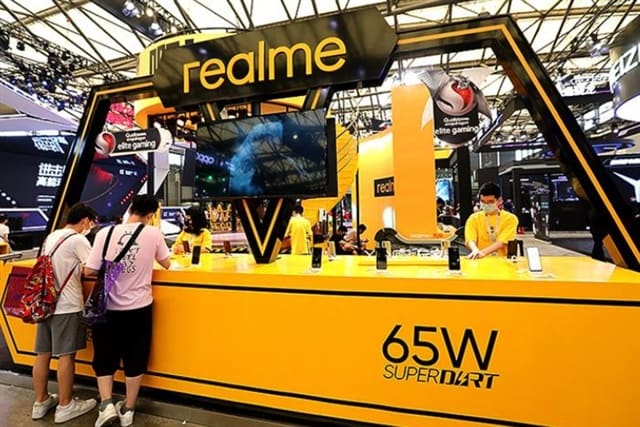
Realme has ended smartphone production for the Chinese market and will not release new models domestically, according to company statements. The withdrawal marks a strategic shift by parent company Oppo, which is consolidating its brand portfolio at home while channeling Realme's focus toward international expansion.
Oppo announced it will concentrate its domestic smartphone efforts on the OnePlus brand, eliminating overlap between the two subsidiaries in China. The move comes as Chinese smartphone manufacturers face intensifying competition in their home market, where overcapacity and margin pressure have forced companies to rationalize their multi-brand strategies.
Realme will continue operations in overseas markets, where it has built significant presence in Southeast Asia, India, and parts of Europe since its 2018 launch. The brand had initially targeted younger Chinese consumers with aggressive pricing, but struggled to differentiate itself from Oppo and OnePlus in an already crowded domestic landscape.
OnePlus Takes the Reins at Home
OnePlus will now carry Oppo's flag in China, inheriting the domestic market position previously shared with Realme. The brand has maintained stronger recognition among Chinese consumers in the premium and mid-range segments, making it the logical choice for a unified domestic strategy.
The consolidation reflects broader trends in China's smartphone industry, where manufacturers are pruning brand portfolios to reduce costs and sharpen positioning. Multiple brands under one corporate umbrella often compete for similar customer segments, diluting marketing spend and supply chain efficiency.
Oppo's decision mirrors moves by other Chinese manufacturers who have streamlined operations amid slowing domestic growth. China's smartphone market has contracted in recent quarters as replacement cycles lengthen and consumers delay upgrades in a challenging economic environment.
Regional Implications for Asia's Handset Landscape
The exit reshapes competitive dynamics across Asia, where Chinese brands have steadily gained share from Samsung and Apple. Realme's continued presence in markets like India, Indonesia, and the Philippines means the brand will concentrate resources on regions with higher growth potential and less saturated competition.
In India, where Realme ranks among the top five smartphone vendors, the company will likely intensify its focus. The Indian market offers stronger volume growth than China and has become a critical battleground for Chinese manufacturers seeking to offset domestic stagnation.
Southeast Asian markets present similar opportunities. Vietnam, Thailand, and the Philippines have seen rising smartphone adoption, and Chinese brands have captured significant share by undercutting Samsung and local players on price while matching features.
Supply Chain and Manufacturing Adjustments
The production halt in China will require Realme to adjust its supply chain footprint. The company has historically leveraged Oppo's manufacturing facilities in Guangdong province for both domestic and export production. With no new China-focused models, Realme may shift more production to facilities in India and potentially Vietnam to serve regional markets more efficiently.
This realignment could reduce costs by avoiding tariffs and benefiting from local manufacturing incentives. India's production-linked incentive scheme for electronics has already attracted billions in investment from Chinese smartphone makers, and Realme is positioned to expand its local manufacturing capacity.
The move also insulates Realme from potential regulatory scrutiny in China, where authorities have occasionally pressured brands to maintain domestic production levels. By exiting the home market, Realme avoids those expectations while retaining flexibility to allocate production based purely on export demand.
What It Signals for Oppo's Global Ambitions
Oppo's brand rationalization suggests the company is prioritizing profitability over market share, a shift that aligns with broader industry trends. After years of chasing volume growth through multi-brand strategies, Chinese manufacturers are now focusing on operational efficiency and sustainable margins.
The decision to keep Realme active overseas while consolidating at home indicates Oppo sees value in maintaining distinct brand identities in international markets, where consumer perceptions and competitive landscapes differ. OnePlus and Realme can target different segments abroad without the channel conflict and brand confusion that plagued their coexistence in China.
For competitors, Realme's China exit removes one player from an already brutal domestic market, potentially easing price pressure. However, the concentration of Oppo's resources behind OnePlus may make that brand a stronger domestic competitor, particularly in the premium tier where margins are healthier.
The restructuring also frees capital and management attention for Oppo to invest in technology differentiation, including foldable devices, camera systems, and chip development, areas where Chinese brands are trying to close the gap with Samsung and Apple.
RELATED STORIES
China's Chip Makers Split Three Ways Beneath the Revenue Growth
Tran Quoc Bao · 3 min

LG Pivots to AI-Defined Vehicle Platform as Korea Chases China's Self-Driving Lead
Jun-ho Seo · 3 min

China's Auto Chip Race Shifts to Volume as Horizon Robotics Crosses 15 Million Units
Jun-ho Seo · 3 min
JCET Eyes $968 Million to Scale AI Packaging Lines
Tran Quoc Bao · 3 min
Spot something wrong? Email editor@briefasia.com. We log every correction publicly.