Asia · Politics
Philippines Pushes New Steel Standards After Earthquake Highlights Infrastructure Risks
Trade ministry targets August release for updated building material requirements aligned with seismic design protocols
KEY TAKEAWAYS
- ·The Philippines Department of Trade and Industry plans to issue updated steel standards by August following recent earthquakes and building collapses that exposed material quality gaps.
- ·The revised specifications align with the National Structural Code and ban steel products failing seismic performance tests, restricting the market to higher-grade materials.
- ·Industry groups including the ASEAN Iron and Steel Council have pressed for faster enforcement as the country allocates billions in infrastructure spending through 2030.
Updated Specifications Target Seismic Resilience
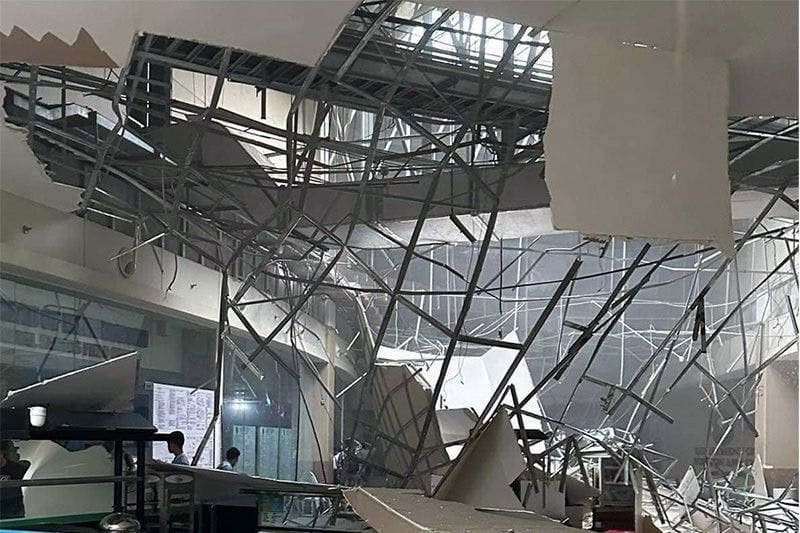
The Philippines Department of Trade and Industry is preparing to release revised steel standards by August, a move driven by the archipelago's high seismic exposure and recent infrastructure failures. Trade Secretary Cristina Roque confirmed the timeline, noting that earthquake activity has sharpened the government's focus on construction material quality.
The agency will convene a public consultation Thursday on the draft memorandum circular updating the Philippine National Standard for Deformed Steel Bars, which currently operates under Department Administrative Order 18-08 series of 2018. The session is designed to collect feedback from manufacturers, contractors, and technical experts before final publication.
The Philippines sits on the Pacific Ring of Fire, recording thousands of tremors annually. Recent seismic events in Mindanao and a building collapse in Pampanga province have intensified scrutiny of the steel supply chain and compliance with structural codes.
Industry Coalition Presses for Implementation
Steel sector associations including the Philippine Iron and Steel Institute, South East Asia Iron and Steel Institute, and ASEAN Iron and Steel Council have urged faster adoption of the new requirements. Ronald Magsajo, who chairs the South East Asia group and leads the regional ASEAN council, said the updated standards have been developed but lacked a clear enforcement date.
According to the DTI Bureau of Philippine Standards, the revised specifications align with the National Structural Code of the Philippines and international seismic design protocols. The new rules explicitly prohibit steel products that fail to meet seismic performance thresholds, a departure from earlier standards that allowed broader material tolerances.
Magsajo emphasized that enforcement would restrict the market to higher-grade steel, reducing the risk of substandard materials entering critical infrastructure projects. The Philippines has historically struggled with enforcement gaps in construction material standards, a challenge compounded by fragmented supply chains across its 7,600 islands.
Regional Context and Compliance Pressure
Southeast Asian nations with comparable seismic profiles, including Indonesia and Japan, have progressively tightened steel specifications over the past decade. Japan's experience after the 2011 Tohoku earthquake led to stricter rebar standards and third-party testing mandates, a model that Philippine regulators have studied.
The timing of Manila's push also reflects broader regional infrastructure investment. The Philippines has allocated significant capital to transport, energy, and housing projects under its national development plan, raising the stakes for material quality assurance. The Asian Development Bank estimates the country needs $180 billion in infrastructure spending through 2030 to sustain economic growth above 6 percent annually.
Industry observers note that higher steel standards may increase project costs in the near term, particularly for smaller contractors operating on thin margins. However, advocates argue that front-end investment in quality materials reduces lifecycle costs and catastrophic failure risk, a calculus familiar to insurers and multilateral lenders active in the region.
Enforcement and Market Implications
The DTI's draft circular is expected to specify testing protocols, certification requirements, and penalties for non-compliance. While details remain under consultation, the framework will likely expand the role of accredited laboratories and introduce traceability measures for imported steel, which accounts for a significant share of domestic supply.
Trade officials have not disclosed whether the new standards will trigger tariff adjustments or import license conditions, but steel producers in China, South Korea, and Taiwan are watching closely. The Philippines imported roughly 2.3 million metric tons of steel products in 2025, according to customs data, making it a meaningful market for regional exporters.
The August target reflects political urgency as well as technical readiness. Infrastructure safety has become a higher-profile issue following recent incidents, and the trade ministry is under pressure to demonstrate regulatory responsiveness. Whether the timeline holds will depend on how smoothly the consultation process resolves technical disagreements and industry concerns over compliance costs.
For now, contractors and developers are awaiting clarity on transition periods and grandfathering provisions for projects already in the pipeline. The revised standards represent a test case for the Philippines' capacity to enforce quality controls in a construction sector that has historically operated with uneven oversight.
RELATED STORIES

Philippine Water Operator Earmarks $400 Million for Southeast Asia Expansion
Mariel D. Santos · 2 min

Philippines Energy Budget Climbs 26% as Electric Vehicle Funding Surges
Priyanka V. Rao · 3 min
Philippine Manufacturing Expands at Fastest Pace Since 2016
Priyanka V. Rao · 3 min

Filipino Household Income Rose 16% but Spending Outpaced Gains
Mariel D. Santos · 3 min
Spot something wrong? Email editor@briefasia.com. We log every correction publicly.