Asia · Trade
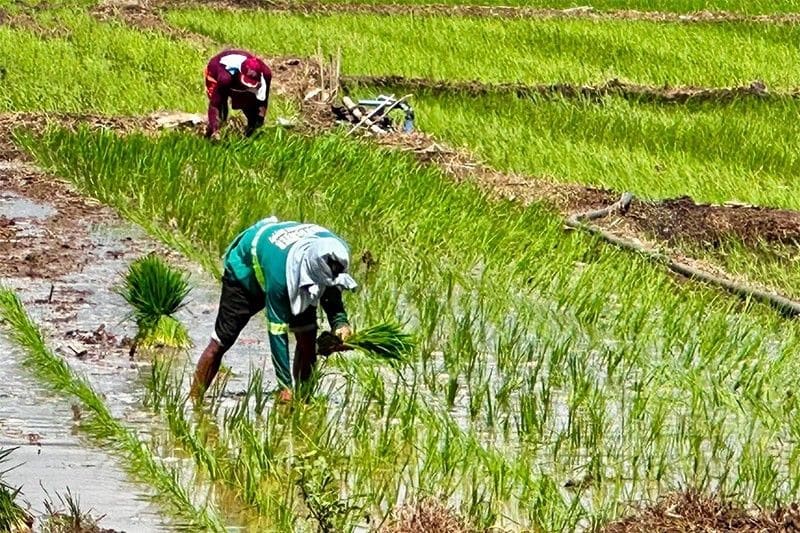
Philippine Farmers Push for 30% Safeguard Duty on Rice Imports
Producers cite P50 billion in annual losses from oversupply as rice shipments triple since 2019 tariffication law
KEY TAKEAWAYS
- ·The Federation of Free Farmers and Magsasaka party-list have petitioned for a 30% safeguard duty on rice imports, adding to the current 15% tariff, citing oversupply that costs farmers roughly P50 billion annually.
- ·Rice imports into the Philippines have tripled to an average of 3.45 million metric tons per year since the 2019 Rice Tariffication Law, with the first half of 2026 recording 2.75 million MT.
- ·The Tariff Commission is investigating the petition and is expected to issue findings by September, with the outcome determining whether Manila tightens import flows to protect domestic producers.
Petition Filed Amid Record Import Surge
The Federation of Free Farmers and Magsasaka party-list have formally petitioned the Tariff Commission to impose a 30% safeguard duty on rice imports, escalating pressure on Manila to protect domestic producers from what they describe as an oversupply crisis. The proposed duty would stack on top of the existing 15% tariff on imported rice.
Accompanying the safeguard request, the groups proposed revising the minimum access volume system to allow more active regulation of import flows while staying within World Trade Organization parameters. The Tariff Commission is conducting an investigation and is expected to deliver findings by September.
Rice shipments into the Philippines have climbed sharply since the Rice Tariffication Law took effect in 2019, averaging 3.45 million metric tons per year compared to roughly 1.15 million MT annually before the law's passage, according to the Federation of Free Farmers. In the first six months of 2026 alone, the Bureau of Plant Industry recorded 2.75 million MT of rice imports, nearly 83% of the average annual volume over the previous seven years.
Cost to Domestic Producers
Raul Montemayor, national manager of the Federation of Free Farmers, acknowledged that the country requires rice imports to meet domestic demand. The problem, he said, lies in importing volumes that exceed actual needs, creating oversupply that drives down farmgate prices for palay, the unmilled rice grain.
The groups estimate import surges, particularly during harvest seasons, have inflicted roughly P50 billion in annual losses on domestic rice farmers. Excess volume has grown steadily, peaking at almost two million MT in 2024. Even in 2025, when an import ban was in place during the final quarter, total arrivals still exceeded the supply gap by nearly one million MT, including a two-month buffer stock allowance, according to the Federation of Free Farmers.
Safeguard measures under Republic Act 8800, the Safeguard Measures Act, allow the government to raise tariffs or cap import volumes after an investigation confirms that incoming goods have caused substantial harm to local industries.
Investigation Underway
The Department of Agriculture has reinforced the farmers' case by issuing Department Order 18, formally requesting the Tariff Commission to investigate the surge in rice imports. A preliminary probe by the department found a causal link between increased imports and serious injury to the domestic rice sector.
The Philippines remains the world's largest rice importer. The US Department of Agriculture projects the country will bring in approximately 5.7 million MT of rice in 2026, driven in part by lower production forecasts following El Niño-related weather disruptions.
Policy Crossroads
The petition places Manila at a crossroads between supporting domestic agriculture and managing consumer rice prices in a country where the grain is a staple. The Rice Tariffication Law replaced quantitative restrictions with tariffs, opening the door to higher import volumes but also exposing local farmers to price volatility.
If the Tariff Commission's investigation substantiates the farmers' claims, the safeguard duty could reshape the country's rice trade dynamics, potentially tightening import flows and lifting farmgate prices. The outcome will signal whether the government prioritizes producer protection or continued reliance on global supply chains to stabilize domestic rice availability.
RELATED STORIES
Filipino Workers Abroad Send Home $3.6 Billion in July
Mariel D. Santos · 3 min
Five ASEAN Members Back Regional Oil Stockpile as Study Nears Completion
Tran Quoc Bao · 3 min

Southeast Asian Firms Overlook Digital Pact Worth USD 2 Trillion
Lim Hui Ying · 4 min

PhilWeb Commits P4.23 Billion to JKS Tech in Cross-Investment Deal
Tran Quoc Bao · 4 min
Spot something wrong? Email editor@briefasia.com. We log every correction publicly.