Real Estate · Homes
Philippine Building Permits Fall as Developers Pause Residential Projects
Residential construction dropped 2 percent in June while overall project values climbed 22 percent, reflecting a shift toward commercial and infrastructure work amid high vacancy rates.

KEY TAKEAWAYS
- ·Approved building permits in the Philippines fell 0.3 percent to 17,081 projects in June, with residential construction down 2 percent to 11,392 permits as developers responded to elevated vacancy rates.
- ·Non-residential project values surged 56 percent to P43.80 billion in June, while residential values dropped 26 percent to P20.24 billion, signaling a shift toward commercial and industrial assets.
- ·The slowdown reflects oversupply from the Philippine offshore gaming operator ban, higher material costs from Middle East supply disruptions, and underperformance in government infrastructure spending.
Residential Construction Retreats
Construction activity in the Philippines contracted slightly in June, with approved building permits totaling 17,081 projects, a 0.3 percent decline from 17,126 projects in the same month last year, according to preliminary data from the Philippine Statistics Authority. The pullback came primarily from residential developers who have slowed new launches in response to elevated vacancy rates across Metro Manila and other urban centers.
Residential buildings accounted for 67 percent of all projects in June but recorded 11,392 permits, down 2 percent from 11,634 a year earlier. The value of residential work fell more sharply, dropping 26 percent to P20.24 billion from P27.29 billion in June 2025.
Despite the decline in project count, total construction value rose 22 percent to P74.34 billion in June, lifted by non-residential and infrastructure-related work. The divergence signals a reallocation of capital toward commercial, industrial, and mixed-use developments as developers reassess demand in the residential segment.
Commercial and Industrial Projects Gain Ground
Non-residential construction moved in the opposite direction, with permits climbing 5 percent to 3,352 projects in June from 3,204 a year earlier. The value of this segment surged 56 percent to P43.80 billion, reflecting larger-scale industrial facilities, office complexes, and retail projects that have advanced through the permitting pipeline.
Alteration and repair projects declined 7 percent to 1,189 permits but saw their aggregate value more than double, jumping 112 percent to P8.82 billion. The spike suggests owners are investing in refurbishments and upgrades to existing structures rather than pursuing greenfield development.
Additions to existing buildings fell 2 percent to 538 projects, though their combined value rose 19 percent to P728.84 million. Other construction categories, which include specialized structures and civil works, increased 34 percent in volume to 610 projects but declined 13 percent in value to P750.43 million.
Excess Supply and Policy Headwinds
The slowdown in residential permits reflects a confluence of supply-side pressures and policy shifts. Rizal Commercial Banking Corp. chief economist Michael Ricafort attributed the decline to persistent oversupply in the condominium market, particularly in areas that previously housed Philippine offshore gaming operators before the sector was effectively banned in late 2024. Vacancies remain elevated across residential, office, and commercial properties in these clusters.
Geopolitical disruption also played a role. Supply chain strain stemming from the Middle East conflict that began in February drove up construction material costs and borrowing expenses, dampening both developer appetite and buyer demand. Higher interest rates have compressed affordability for end-users and increased financing costs for project sponsors.
Government infrastructure spending has lagged amid scrutiny of flood control procurement, further weighing on construction activity. Ricafort noted that underspending on public works has limited the multiplier effects that typically support private-sector development.
Outlook Hinges on Public Spending
Looking ahead, the trajectory of construction activity will depend heavily on the pace of government infrastructure disbursement. Ricafort expects that accelerated public spending on transport, water, and energy projects, underpinned by improved governance standards, could serve as a catalyst for broader construction growth and lift GDP performance in the second half of the year.
For now, the data underscores a cautious posture among residential developers and a strategic pivot toward commercial and industrial assets. The sector's recovery will hinge on whether vacancy rates normalize and whether policy certainty returns to both the gaming and infrastructure domains.
The Philippine construction industry contributed approximately 6 percent to GDP in 2025, and its performance remains closely watched as a leading indicator of broader economic momentum across Southeast Asia's fifth-largest economy.
RELATED STORIES

Philippine Court Restores Villar Power Firm's License on Due Process Grounds
Priyanka V. Rao · 3 min
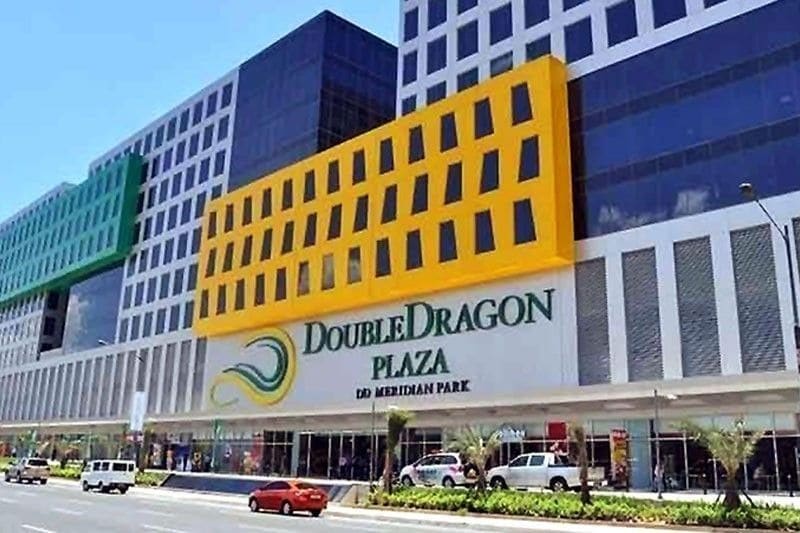
DoubleDragon Core Earnings Jump 162% as Property Portfolio Matures
Priyanka V. Rao · 4 min

San Jose del Monte Water Supply Rebounds After Operator Clears Neglected Treatment Plant
Mariel D. Santos · 4 min

Apple Pay Gains Ground in Philippine Market Despite Limited Bank Coverage
Priyanka V. Rao · 3 min
Spot something wrong? Email editor@briefasia.com. We log every correction publicly.