Real Estate · Land
Megaworld Posts 5% Profit Growth on Resilient Recurring Income
The Philippines developer's hotel, mall, and office segments drove first-half revenue to P44.2 billion, with its Iloilo hotel expansion leading hospitality gains.
KEY TAKEAWAYS
- ·Megaworld Corp. reported net income of P12.7 billion for the first half of 2026, a 5% increase, with total revenues reaching P44.2 billion driven by hotels, malls, and offices.
- ·The hotel segment posted the fastest growth at 11% to P3.1 billion, led by the 405-room Belmont Hotel Iloilo opening, expanding the company's Iloilo Business Park portfolio to nearly 1,000 keys.
- ·Residential pre-sales rose 15% year-on-year to P63 billion, with provincial projects driving demand and the company securing renewals for over 80% of office leases expiring in 2026.
Township Model Delivers Steady Returns
Megaworld Corp. logged net income of P12.7 billion for the first half of 2026, up 5% from the year-ago period, as recurring revenue streams from hotels, retail, and office space offset headwinds in the broader Philippine property sector. Total revenues climbed to P44.2 billion, according to the Manila-listed developer.
The company's integrated township strategy continues to underpin performance. By clustering residential, commercial, and leisure assets in master-planned estates spanning Metro Manila and key provincial cities, Megaworld has built a portfolio less exposed to the lumpy nature of residential sales cycles. President and CEO Lourdes Gutierrez-Alfonso pointed to the complementary nature of these uses as a buffer, with office leases, mall rents, and hotel stays generating predictable cash flows even as property pre-sales fluctuate.
Hotels Lead Segment Growth
Megaworld Hotels and Resorts posted the fastest expansion among recurring income lines, with revenues jumping 11% to P3.1 billion. The segment's performance was anchored by the opening of the 405-room Belmont Hotel Iloilo, now the largest hotel in Iloilo City by key count. The property brought the company's room inventory in Iloilo Business Park to nearly 1,000 keys, consolidating its position in a provincial market that has drawn increasing corporate and MICE demand.
The Iloilo expansion reflects a deliberate pivot toward regional cities, where hospitality supply remains tight relative to business travel growth. Megaworld operates a portfolio spanning branded full-service hotels and select-service properties across its township developments, a vertical integration that captures visitor spend within its ecosystems.
Retail and Office Segments Hold Firm
Megaworld Lifestyle Malls reported an 8% revenue increase to P3.6 billion, supported by tenant sales growth and sustained foot traffic. The company added over 16,000 square meters of gross leasable area during the first six months, with new openings concentrated in food and beverage, fashion, and experiential retail formats. Portfolio occupancy stood at 95%, a level that has held steady despite broader concerns about consumer spending.
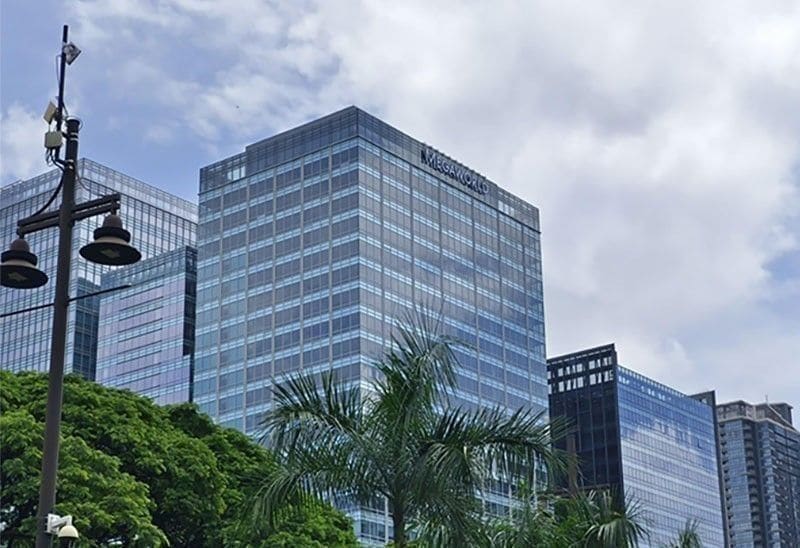
Office rental income rose 5% to P7.8 billion, with lease renewals covering 122,000 square meters in the first half. Megaworld secured commitments representing more than 80% of leases scheduled to expire this year, a retention rate that speaks to the stickiness of its tenant base. The company operates two office platforms: Megaworld Premier Offices, targeting multinational corporations and large domestic enterprises, and Megaworld Global Offices, focused on business process outsourcing and shared services tenants. Both segments have benefited from Manila's return-to-office momentum, though net absorption has moderated from pandemic-era peaks.
Residential Pre-Sales Climb on Provincial Demand
On the transactional side, residential pre-sales rose 15% year-on-year to P63 billion, with provincial projects accounting for an outsized share of the gain. Revenue bookings from residential units reached P27.2 billion, driven by construction progress on ongoing developments. The company has maintained capital deployment throughout the period, advancing projects to meet delivery schedules and contractual obligations to buyers.
The pre-sales uptick contrasts with softer sentiment in Metro Manila's mid-market condominium segment, where inventory overhang and rising interest rates have weighed on transaction velocity. Megaworld's provincial exposure, particularly in cities like Iloilo, Bacolod, and Cebu, has provided a partial hedge, as these markets exhibit different demand dynamics and less speculative activity.
Balance Sheet Flexibility in Focus
Gutierrez-Alfonso emphasized the company's financial capacity to navigate volatility, citing a balance sheet managed with an eye toward liquidity and leverage ratios. Megaworld has historically maintained conservative gearing relative to peers, a posture that affords flexibility to pursue selective acquisitions or accelerate development timelines when opportunities arise.
The company's recurring income mix has also improved its cash flow profile, reducing reliance on project financing tied to pre-sales collections. As of mid-2026, rental and hospitality operations generate roughly a third of total revenues, a proportion that has crept upward over the past five years. This shift mirrors broader industry trends in Southeast Asia, where diversified developers are prioritizing income-generating assets to smooth earnings and support dividend capacity.
Megaworld's first-half results arrive as the Philippine property sector contends with a high base-rate environment and cautious household sentiment. While the company's integrated model has delivered relative resilience, the trajectory of office demand, retail spending, and housing affordability will shape performance through year-end and into 2027.
RELATED STORIES

Cebu Landmasters Lines Up 5,600 Units Across Six Cities
Mariel D. Santos · 2 min
Filinvest Land Grows First-Half Profit 4% on Leasing Strength
Mariel D. Santos · 3 min

MREIT Posts 34% Distributable Income Growth in First Half
Mariel D. Santos · 2 min

Half of Laurean Residences Buyers Hold Despite Ayala's Project Pause
Priyanka V. Rao · 3 min
Spot something wrong? Email editor@briefasia.com. We log every correction publicly.