Technology · Dev
Frencken Group Pushes Beyond Semiconductor Label With Multi-Industry Play
Singapore precision engineering firm supplies components for smartphones, luxury vehicles, and medical equipment as it seeks broader recognition
KEY TAKEAWAYS
- ·Frencken Group supplies precision components for semiconductor equipment, luxury automotive interiors, and medical devices, operating invisibly within global supply chains.
- ·President Dennis Au says the company's competitive edge lies in engineering capabilities applicable across industries, not dominance in any single sector.
- ·Frencken partners with a small group of top-tier customers to ensure long-term growth, contrasting with high-volume contract manufacturers serving hundreds of clients.
Behind the Machines
Frencken Group operates in the background of global manufacturing, producing components that never carry its name yet power devices from semiconductor fabrication tools to cardiovascular patient tables. The Singapore Mainboard-listed precision engineering company supplies modules for smartphone chip manufacturing equipment, analogue clocks fitted in luxury automobiles, and medical systems used in operating theatres.
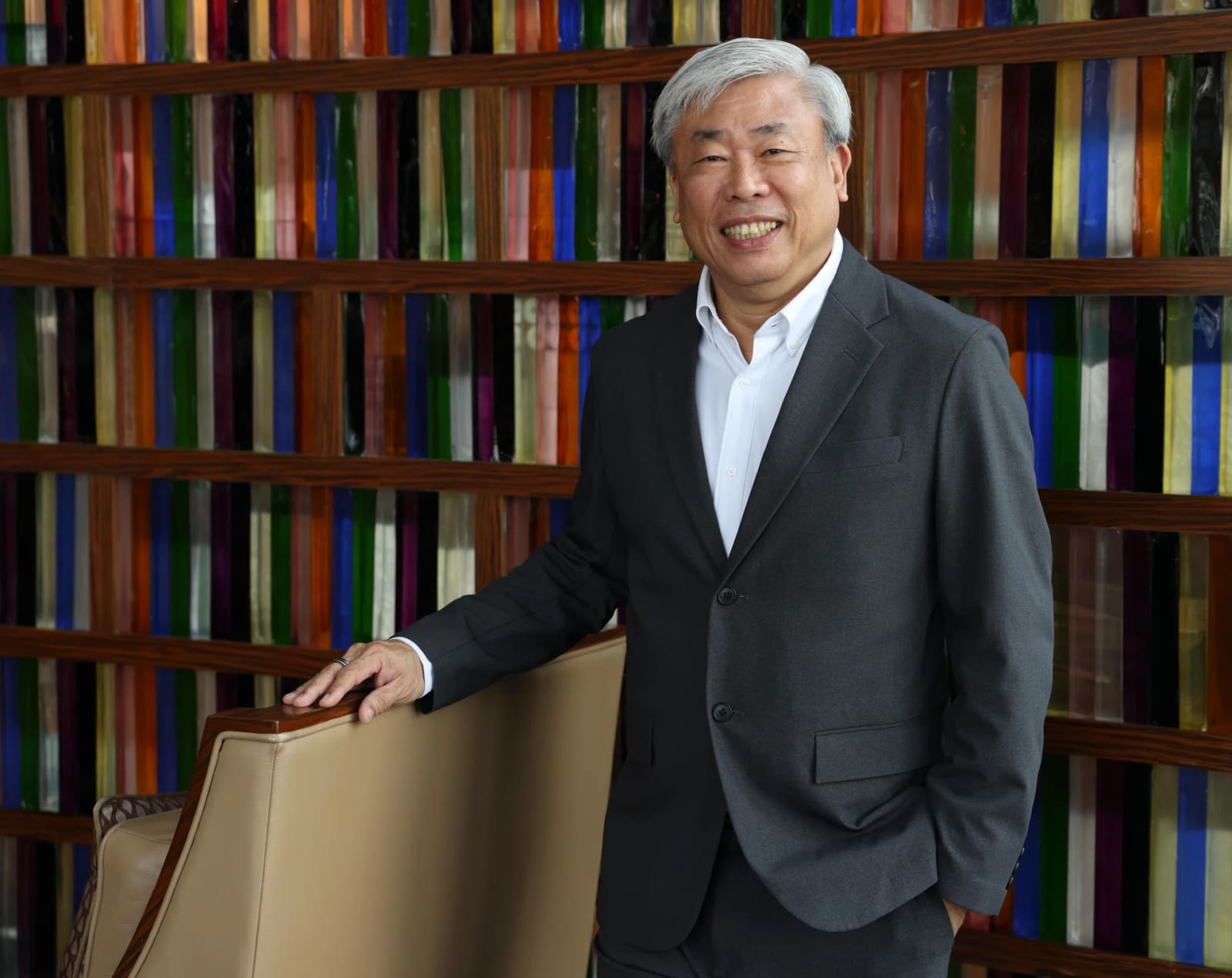
"You don't see 'Made by Frencken' or Frencken branding around it," Dennis Au, president of Frencken Group, told local media. "It's more like 'Frencken inside', because we've created the modules that are placed in those systems."
The company's visibility problem reflects its business model: Frencken sits in the middle of supply chains, engineering subsystems that original equipment manufacturers integrate into final products. That positioning has allowed the firm to diversify across sectors while remaining largely unknown outside industrial circles.
Engineering as the Core Asset
Au emphasized that Frencken's competitive advantage lies in its engineering capabilities rather than any single industry vertical. The company designs and manufactures precision modules with applications spanning consumer electronics, automotive, and medical technology. This cross-sector approach insulates the business from cyclical downturns in any one market.
The strategy involves partnering with a select group of top-tier customers. According to Au, the company deliberately keeps its client base relatively small to ensure long-term relationships and sustained growth. This model contrasts with high-volume, low-margin contract manufacturers that serve hundreds of clients.
Frencken's customer concentration also reflects the complexity of its work. Precision engineering for semiconductor equipment or medical devices requires deep technical collaboration and long qualification cycles, making switching costs high for both supplier and buyer.
Perception and Market Position
Au acknowledged that Frencken is "not an easy company to understand" for investors and the public. The firm's diversified portfolio and behind-the-scenes role make it difficult to categorize. While many associate Frencken primarily with semiconductors due to its exposure to chip manufacturing equipment, the company insists its identity extends far beyond that sector.
The smartphone component supply chain offers one example: Frencken manufactures parts for the machines that produce chips, not the handsets themselves. In luxury automotive, the company produces interior components like analogue instrument clusters. In healthcare, it builds modules for cardiovascular and surgical equipment.
This breadth means Frencken's fortunes are tied to capital expenditure cycles in multiple industries. Semiconductor equipment demand, for instance, follows fab investment waves, while medical device sales track hospital procurement budgets and regulatory approvals.
Asia's Precision Manufacturing Landscape
Singapore remains a hub for precision engineering, with firms like Frencken benefiting from the city-state's advanced manufacturing ecosystem, skilled workforce, and proximity to major Asian electronics and semiconductor clusters. The company competes with regional players in Taiwan, South Korea, and Japan, as well as European specialists in medical and automotive components.
Frencken's multi-industry strategy mirrors broader trends among Asian contract manufacturers seeking to reduce dependence on consumer electronics. As semiconductor equipment spending fluctuates with chip industry cycles and automotive electrification reshapes supply chains, diversification offers a hedge.
The company's emphasis on engineering-led partnerships rather than pure manufacturing scale also reflects a shift in how mid-tier suppliers position themselves. With commoditized assembly work migrating to lower-cost regions, Singapore-based firms increasingly focus on high-mix, low-volume production requiring technical depth.
What Comes Next
Frencken's challenge is translating its operational diversity into a coherent market narrative. Investors typically value companies that dominate a niche or ride a clear secular trend. Frencken offers neither, instead betting that engineering versatility across sectors will prove more durable than single-market exposure.
The company's customer concentration strategy carries risks: losing a top-tier client or a sharp downturn in one sector could materially impact revenue. Yet Au's comments suggest Frencken views this trade-off as worthwhile, prioritizing deep relationships over breadth.
As semiconductor equipment demand remains volatile amid geopolitical tensions and uneven AI infrastructure spending, and as automotive and medical sectors face their own headwinds, Frencken's ability to balance exposures will determine whether its "hard to understand" model becomes a strength or a liability.
RELATED STORIES

Singapore Targets High-Value Data Centre Workloads as Neighbors Scale Up Capacity
Cheng Wei-Lun · 3 min
Frencken Stock Falls 7.5% After $100 Million Share Placement
Cheng Wei-Lun · 3 min

Southeast Asian Firms Overlook Digital Pact Worth USD 2 Trillion
Lim Hui Ying · 4 min

Addvalue Technologies Lands $5 Million in Space and Radio Contracts
Tran Quoc Bao · 3 min
Spot something wrong? Email editor@briefasia.com. We log every correction publicly.