Finance · Markets
Chinese Memory Chipmaker CXMT Surpasses Tencent in Market Value
The memory-chip manufacturer's $524 billion valuation reflects investor appetite for AI hardware over traditional internet giants as semiconductor self-sufficiency becomes a national priority
KEY TAKEAWAYS
- ·CXMT reached a $524 billion market cap, surpassing Tencent's $510 billion valuation and becoming China's most valuable company after a 467 percent July debut surge.
- ·Tencent shares dropped over 26 percent in 2026 as the company more than doubled AI spending in Q2, raising investor concerns about return on ballooning technology investments.
- ·MSCI added CXMT to its China All Shares Index effective August 10, bringing automatic inflows from passive funds and structural support for the memory chipmaker's rally.
A New Champion Emerges
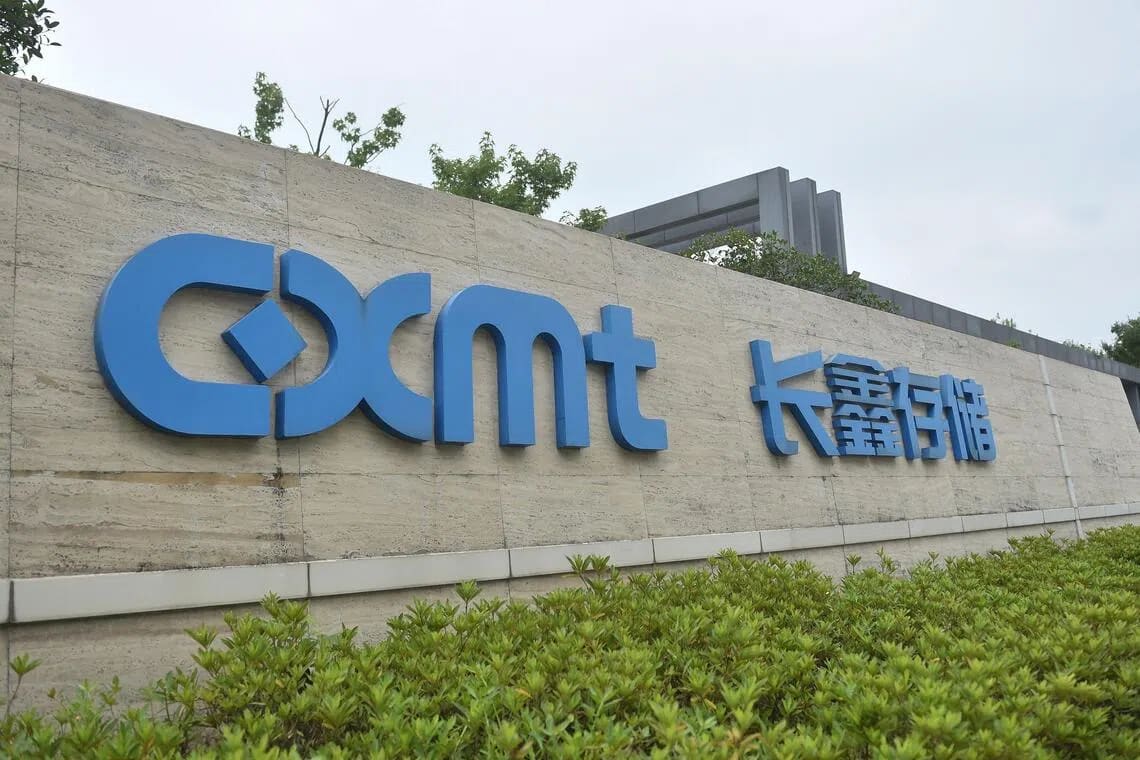
CXMT has claimed the title of China's most valuable company, pushing past Tencent Holdings with a market capitalisation of $524 billion. The memory-chip manufacturer's ascent marks a decisive shift in investor priorities, with AI-linked hardware now commanding premiums once reserved for internet platforms.
Tencent's valuation slipped to $510 billion on August 13, dragged down by concerns over ballooning artificial intelligence expenditure. The Hong Kong-listed tech giant, owner of WeChat and Riot Games, has seen its shares tumble more than 26 percent in 2026 as it races to close the AI gap with competitors. The company more than doubled its AI spending in the June quarter, according to Tencent, a move that triggered a 4.5 percent single-day drop in its stock price.
The Memory Play
CXMT debuted on the Shanghai exchange in July with a 467 percent surge, instantly becoming China's largest onshore-listed firm. The stock has added another 8 percent since that explosive launch, even as shares dipped 1.2 percent on August 13. The company ranks as the world's fourth-largest producer of dynamic random-access memory, the essential chips that power everything from smartphones to advanced AI server clusters.
The valuation gap between CXMT and Tencent appears poised to widen. Gary Tan, a portfolio manager at Allspring Global Investments, framed the market dynamic bluntly: "CXMT exceeding Tencent is a message from the market - chips are the new clicks. Our sense is the gap between the two will widen as agentic AI take increasing share of internet flows."
Index Inclusion Adds Fuel
MSCI's decision to include CXMT in the MSCI China All Shares Index, effective August 10, has amplified buying pressure. The index addition brings automatic inflows from passive funds tracking the benchmark, providing structural support beneath the stock's momentum-driven rally.
CXMT has become a proxy for two converging themes: China's push toward semiconductor self-sufficiency and the global scramble for AI infrastructure. Export controls imposed by the United States on advanced chip technology have made domestic memory production a strategic imperative for Beijing. CXMT's production capacity directly addresses bottlenecks in the supply chain for AI training and inference hardware.
The Internet Giant's Stumble
Tencent's decline reflects more than just relative underperformance. The company faces mounting pressure to demonstrate returns on its AI investments while navigating a regulatory environment that remains unpredictable. Its gaming division, once a reliable profit engine, now competes with a new generation of AI-driven entertainment and productivity tools that threaten to fragment user attention.
The contrast in trajectories underscores a broader reordering within China's technology sector. Hardware manufacturers tied to national priorities are attracting capital that once flowed to consumer-facing platforms. Memory chips, once a commodity business with thin margins, now carry the strategic weight of national security and technological sovereignty.
What Comes Next
The sustainability of CXMT's valuation will depend on execution. The company must navigate geopolitical headwinds, including potential supply chain restrictions and competition from established players like Samsung and SK Hynix. Its ability to scale production while maintaining quality standards will determine whether current prices reflect fundamental value or speculative excess.
For Tencent, the challenge is demonstrating that its AI spending translates into revenue growth and margin expansion. The company's vast user base across social, gaming, and enterprise software provides distribution advantages, but converting those users into AI product adopters requires flawless execution in a crowded market.
The market has rendered its verdict for now: in China's technology hierarchy, the companies building the physical infrastructure for AI have overtaken those building the applications. Whether that ranking holds will depend on which layer of the stack captures more value as artificial intelligence moves from hype cycle to production deployment.
RELATED STORIES

Tencent Takes Control of AI Startup Manus After Meta Deal Collapses
Cheng Wei-Lun · 2 min
Nvidia Mobilizes $500 Billion Financing Push for AI Data Centers
Cheng Wei-Lun · 4 min
Alibaba Cloud Opens First Commercial Zhenwu M890 Supernode in Inner Mongolia
Cheng Wei-Lun · 3 min

Unitree Robotics Frenzy Highlights China's Tech Hunger Amid Mixed Market Signals
Cheng Wei-Lun · 3 min
Spot something wrong? Email editor@briefasia.com. We log every correction publicly.