Technology · Products
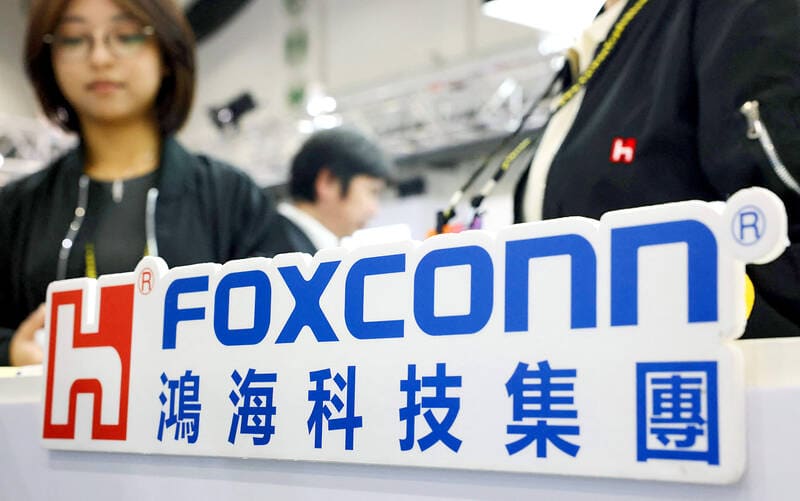
Apple Begins Mass Production of iPhone 18 as Foxconn Accelerates Hiring
Manufacturing partners are ramping output earlier than usual, signaling the company's confidence in its AI-driven product strategy for the upcoming flagship lineup.

KEY TAKEAWAYS
- ·Apple has started mass production of the iPhone 18 lineup earlier than previous cycles, with Foxconn accelerating hiring and output across China and India facilities.
- ·The company is positioning AI capabilities as the central feature, including upgraded neural engines and on-device machine learning to compete with rivals in the premium segment.
- ·India-based assembly is expected to reach nearly 20 percent of global iPhone 18 output, up from 12 percent for the previous model, as Apple diversifies beyond China.
Production Ramp Begins Ahead of Schedule
Apple has initiated mass production of the iPhone 18 series, with its primary manufacturing partner Foxconn accelerating both output and workforce expansion earlier than in previous product cycles. The move reflects Apple's heightened expectations for a device lineup the company considers strategically pivotal.
Foxconn's hiring surge across its iPhone assembly facilities in China and India points to a production schedule moved forward by several weeks compared to the iPhone 17 timeline. Industry observers note that early manufacturing starts typically signal either supply chain risk mitigation or anticipated higher-than-usual demand. In this case, both factors appear to be at play.
AI as the Central Pitch
Apple has positioned artificial intelligence capabilities at the core of the iPhone 18's value proposition. The device is expected to feature an upgraded neural engine and tighter integration with on-device machine learning models, a strategic shift that places the company in direct competition with rivals already embedding generative AI into hardware.
The timing aligns with broader industry momentum. Across Asia, semiconductor foundries and assembly partners have reported surging orders tied to AI-enabled consumer devices. Taiwan's supply chain, in particular, has seen a wave of capacity bookings for advanced packaging and high-bandwidth memory, components critical to running AI workloads on mobile processors.
Manufacturing Footprint and Geopolitical Hedging
Foxconn's expansion is not limited to its traditional Shenzhen and Zhengzhou campuses. The contractor has been scaling operations in Tamil Nadu, India, where it now assembles a growing share of iPhones destined for both domestic and export markets. The diversification reflects Apple's multi-year effort to reduce concentration risk in China amid ongoing trade tensions and export control regimes.
India's share of iPhone production has climbed steadily since 2022, supported by government incentives under the Production-Linked Incentive scheme. For the iPhone 18, analysts estimate that India-based facilities could account for nearly 20 percent of global output by the end of the production cycle, up from 12 percent for the iPhone 17.
Supply Chain Pressure Points
Despite the early start, Apple faces persistent bottlenecks. Advanced display panels incorporating low-temperature polycrystalline oxide technology remain in tight supply, with only two qualified vendors capable of meeting Apple's yield and volume requirements. Similarly, the rollout of new camera modules featuring periscope telephoto lenses has encountered quality control setbacks at one key supplier, forcing Apple to rely more heavily on a secondary source.
Memory and storage components have also come under scrutiny. The iPhone 18 Pro models are expected to ship with up to 12 GB of LPDDR5X RAM, a configuration that pushes the limits of current mobile memory architecture. Suppliers in South Korea have been working closely with Apple's engineering teams to optimize power efficiency without sacrificing performance.
Market Context and Competitive Landscape
The iPhone 18 arrives at a moment of heightened competition in the premium smartphone segment. Chinese manufacturers have been gaining share in Asia and Europe with devices that match or exceed Apple's specifications at lower price points. Meanwhile, Samsung's Galaxy S series continues to command a loyal base, particularly in markets where carrier subsidies favor Android devices.
Apple's bet on AI is partly a response to this pressure. By embedding capabilities such as real-time language translation, advanced computational photography, and contextual assistant features directly into the device, the company aims to differentiate on software integration rather than hardware specs alone.
What Comes Next
The iPhone 18 is expected to be unveiled in September, with retail availability following in late September or early October. Pre-order data and initial sell-through rates will offer early signals of whether Apple's AI-first messaging resonates with consumers, particularly in price-sensitive markets across Southeast Asia and India.
For Foxconn and the broader supply chain, the next eight weeks will be critical. Any disruption in component flow or assembly yield could force Apple to adjust launch volumes or delay availability in certain regions. The company's decision to begin production early suggests it is taking those risks seriously, even as it pushes to capture what it views as a significant upgrade cycle.
RELATED STORIES

Xiaomi Unveils 3nm Mobile Processor to Challenge Qualcomm and MediaTek
Cheng Wei-Lun · 3 min

Taiwan Indicts Nvidia Manager in Chip-Smuggling Investigation
Cheng Wei-Lun · 4 min
Hon Hai Posts Record August Revenue on AI Server Demand
Jun-ho Seo · 3 min

Eurasian Security Bloc Convenes as Shein Prices Hong Kong IPO
Cheng Wei-Lun · 3 min
Spot something wrong? Email editor@briefasia.com. We log every correction publicly.