Review: The Quiet House promises a phone-free Bali. I spent four days finding out if it delivers
A new US$2,200-a-night digital-detox retreat in Ubud bans screens at the gate and bets the whole experience on what fills the silence. My verdict, after four phone-free days.

- ·Capital rotates out of US/EU equities into hard ASEAN infrastructure.
- ·Data centres, power transmission and ports are the three priority lanes.
- ·Vietnam, Indonesia and the Philippines absorb the largest allocations.
UBUD, Bali — They take your phone at a teak desk before you have even seen your room. Not metaphorically; literally. A staff member in undyed linen slides a felt-lined box across the counter, you place your handset and laptop inside, she locks it, and she hands you a brass token instead. The box goes into a safe. For the next four days, at The Quiet House, I would not see a screen, and neither would anyone else.
This is the proposition, and at roughly US$2,200 a night it is not a cheap one: a retreat in the rice-terraced hills above Ubud that bans personal devices entirely, for everyone, all the time, and stakes its entire luxury claim on what rushes in to fill the vacuum. I went to test whether a hotel can charge a fortune for taking something away.
BriefAsia reviews may contain affiliate links; our assessment is independent and the property did not see this article before publication. I paid a discounted media rate and disclosed that I was reviewing.
The first day is the worst
The withdrawal is real and it is faintly embarrassing. For the first afternoon my hand kept travelling to a pocket that held only the brass token. I caught myself, twice, looking for a screen to consult about the view I was already looking at. The Quiet House clearly knows this happens; the staff are trained to be gently, relentlessly present, materialising with iced hibiscus tea at exactly the moments boredom threatens to curdle into anxiety.
By the second morning something shifts, and it is the thing the whole concept is selling. Time thickens. A breakfast of black rice porridge, tropical fruit and single-origin Kintamani coffee, served on an open-air platform over the terraces, stretched to ninety unhurried minutes because there was nothing to cut it short. I cannot remember the last meal I ate without a phone on the table. It was, disconcertingly, wonderful.
The villas help. Mine was a single vast open-sided room of dark timber and pale stone, with a private plunge pool angled at the gorge and an outdoor bath under a frangipani. There is no television, obviously, but also no clock, and the absence of both is clearly deliberate. You are meant to read the day by the light, and after a while you do.
Where the silence is filled
A digital detox is only as good as its analogue programme, and this is where The Quiet House earns its rate. The days are loosely structured around optional offerings that are genuinely good rather than wellness-resort filler: a dawn walk through working rice paddies with a farmer who explains the Balinese subak water system, a pottery session with a Ubud ceramicist, a silent two-hour float in the property's spring-fed pool.
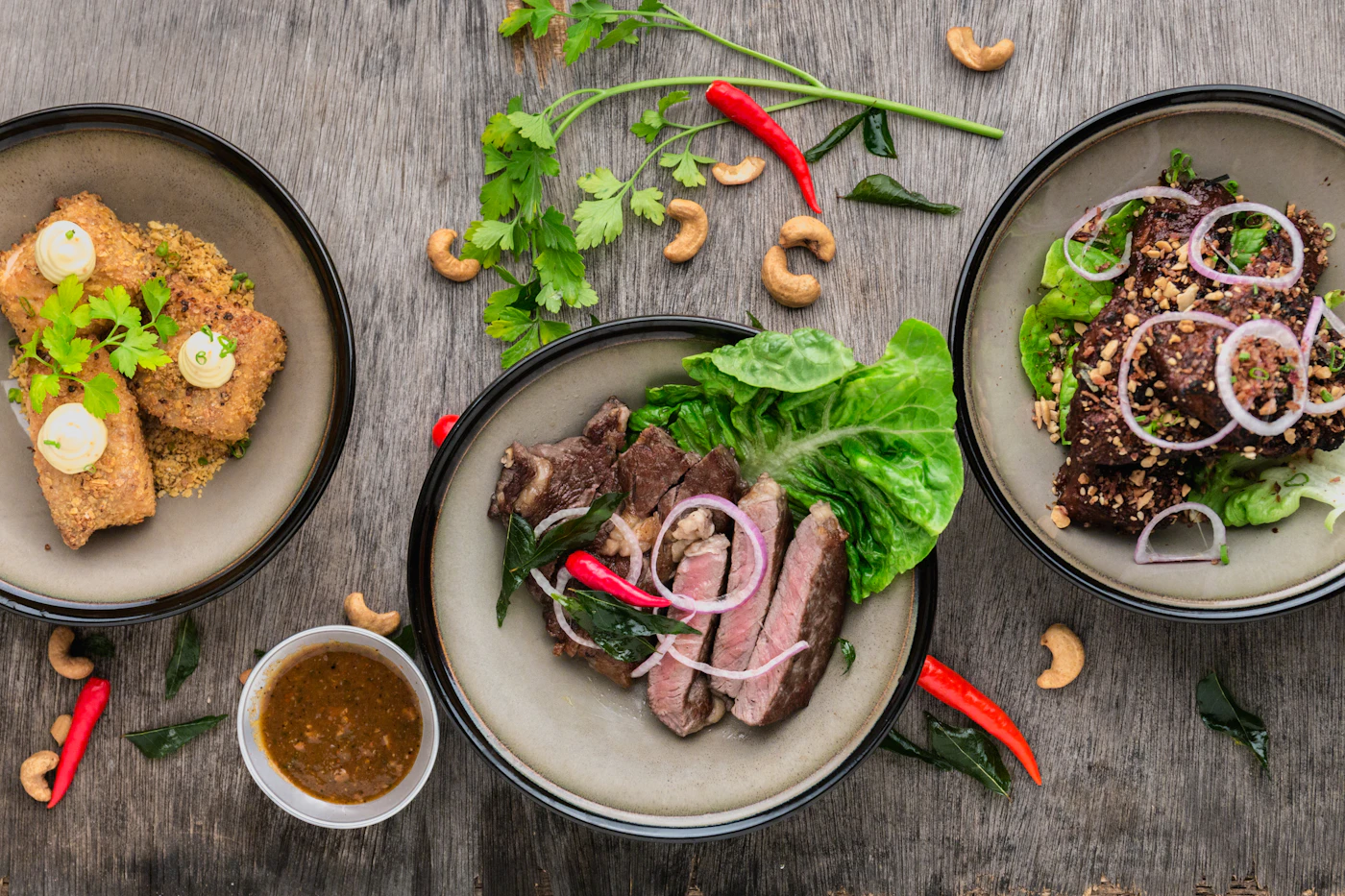
The cooking was the standout. The kitchen, led by a Javanese chef who trained in Copenhagen, serves a tight nightly tasting menu rooted in Balinese ingredients and technique but edited with a restraint the island's restaurants rarely manage. A dish of charred local eggplant with fermented candlenut and a sambal of estate-grown chillies was the single best thing I ate in Indonesia this year. Without a phone, I tasted it properly.
Most guests think they are here to escape work. By day three they realise they are here to escape the device, which is a different and harder thing, the general manager told me over dinner — the one staff member permitted a tablet, kept firmly out of sight.
Not everything lands. A scheduled sound-bath session tipped into the kind of vague mysticism that makes a sceptic itch, and the no-clock policy becomes mildly maddening when you are trying, analogue and squinting at the sun, to make a fixed dinner reservation. These are quibbles. The core experience is disciplined and coherent in a way the wellness category rarely achieves.
Who it is for, and who it is not
Be honest with yourself before booking. If you cannot be unreachable for four days — if you have young children at home, a deal closing, an ailing parent — the device ban is not a feature, it is a fault, and the staff's offer to relay genuine emergencies via the front desk is reassurance rather than solution. The Quiet House is engineered for people who can afford, financially and logistically, to disappear.
It is also, for all its sincerity, a luxury product wearing the clothes of asceticism, and the price reflects the former more than the latter. You are paying for staffing density, architectural restraint, an excellent kitchen and the operational discipline required to make a screen-free environment feel effortless rather than punitive. That last thing is genuinely hard to do and they do it very well.
The verdict
The Quiet House delivers exactly what it promises, which in the over-promising world of luxury wellness is itself remarkable. The device ban is not a gimmick layered over an ordinary resort; it is the organising principle, and everything else — the food, the design, the activities, the absence of clocks — is built to make the silence worth the money. For the right guest, in the right week, it is the most restorative four days money can currently buy in Bali.
Verdict: 4.5 out of 5. Book it if you can truly afford to vanish, and bring a paperback. They give the phone back at checkout, locked box and brass token, and the first thing I felt when the screen lit up was a small, specific dread that the previous four days had been designed, precisely and expensively, to make me notice. That, I decided on the drive down, was worth two thousand dollars a night.