Travel & Dining · Story
Hong Kong Tests Real-Name Booking for Geopark Trail After Visitor Surge
Authorities will trial a reservation system at Po Pin Chau in Sai Kung East Country Park to manage growing crowds at ecologically sensitive sites
KEY TAKEAWAYS
- ·Hong Kong will pilot a real-name booking system at the Po Pin Chau trail in Sai Kung East Country Park, part of a UNESCO-recognized geopark, to manage rising visitor numbers.
- ·The initiative addresses trail erosion and environmental damage at high-traffic natural sites, with approximately 40 percent of Hong Kong's land area designated as country parks serving 7.5 million residents.
- ·If successful, the access-control model may expand to other popular trails across the territory, following similar quota systems implemented at Mount Fuji and Taiwan's Taroko National Park.
Controlling Access to Fragile Sites
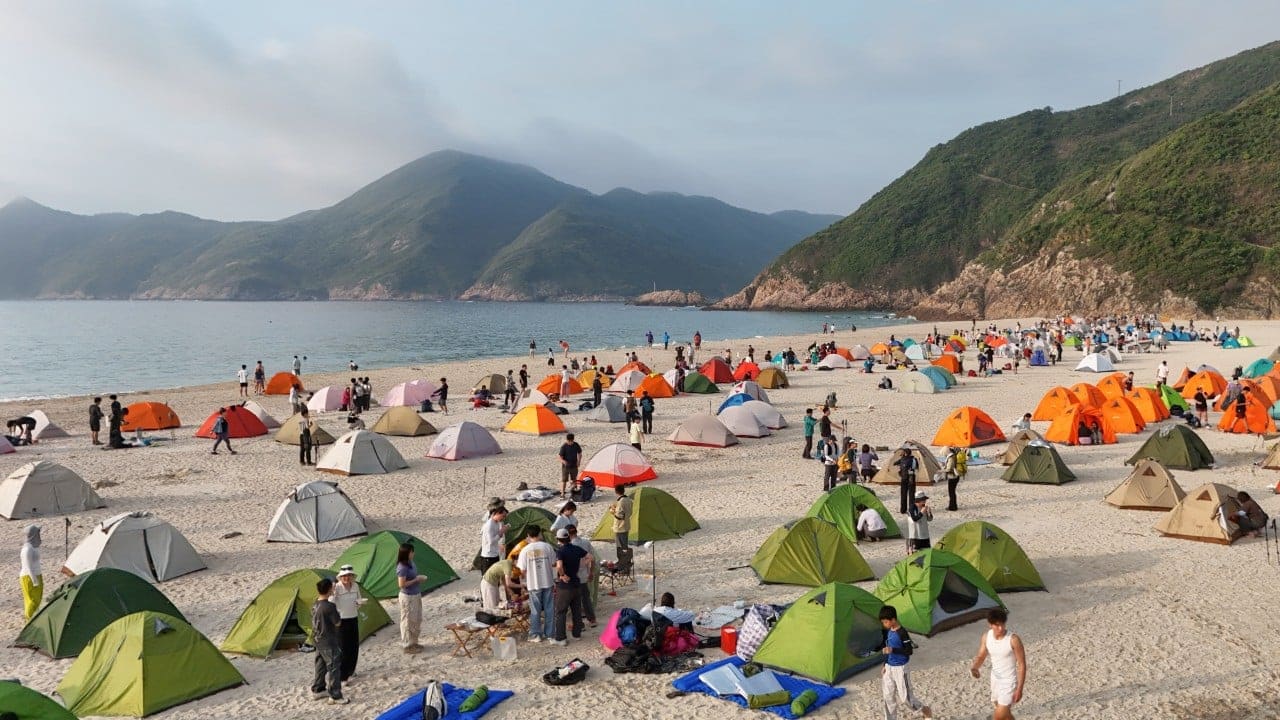
Hong Kong authorities have announced plans to implement a pilot real-name booking scheme for the Po Pin Chau trail in Sai Kung East Country Park, a move designed to protect one of the territory's most visited natural attractions. The trail sits within a UNESCO-recognized geopark known for its distinctive hexagonal rock columns and coastal geology.
The initiative responds to mounting pressure on the territory's rural areas, where foot traffic has intensified in recent years. The booking system will require visitors to register in advance using verified personal details before accessing the trail, allowing park managers to control daily visitor caps and monitor usage patterns.
Po Pin Chau, located on the eastern edge of the Sai Kung peninsula, has become a focal point for weekend hikers and photographers drawn to its dramatic sea stacks and volcanic rock formations. The site forms part of the Hong Kong Geopark, which achieved Global Geopark status under UNESCO's International Geoscience Programme in 2011.
Balancing Tourism and Conservation
The territory's compact geography creates unique pressures. With approximately 40 percent of Hong Kong's 1,100 square kilometers designated as country parks, these green spaces absorb significant recreational demand from a population of 7.5 million and a growing number of mainland Chinese and international visitors.
Trail erosion, littering, and damage to vegetation have become visible at high-traffic sites. Park rangers have documented widening footpaths, trampled vegetation along trail edges, and accumulation of waste at scenic viewpoints. The booking system aims to distribute visitor loads more evenly throughout the week while establishing enforceable limits during peak periods.
Similar access-control measures have been tested elsewhere in Asia. Japan's Mount Fuji introduced a daily climber cap and entry fee in 2024 after years of overcrowding during climbing season. Taiwan's Taroko National Park has operated a permit system for certain trails since 2019, requiring advance registration for high-risk or ecologically sensitive routes.
Implementation Questions
Details of Hong Kong's pilot program remain under development. Key operational questions include the daily visitor quota, advance booking windows, enforcement mechanisms for no-shows or unauthorized entry, and whether fees will be charged to offset administrative costs.
The Agriculture, Fisheries and Conservation Department, which manages the territory's country parks, will need to address staffing requirements for on-site verification and crowd management. Digital infrastructure for the booking platform must accommodate both local residents and tourists who may lack Hong Kong phone numbers or local payment methods.
Public consultation will likely surface concerns about equitable access. Residents of outlying areas have historically enjoyed unrestricted use of nearby trails, and any quota system may disadvantage spontaneous weekend hikers in favor of those able to plan and book in advance.
Wider Network at Risk
Po Pin Chau represents a test case, but the underlying challenge extends across Hong Kong's network of hiking trails and natural attractions. The MacLehose Trail, Dragon's Back, and Lantau Peak all experience seasonal crowding that strains infrastructure and degrades the visitor experience.
If the Sai Kung pilot proves effective at reducing environmental impact while maintaining reasonable public access, the model could expand to other high-demand sites. Success will depend on enforcement capacity, public acceptance, and the willingness of park authorities to adjust quotas based on ecological monitoring data.
The initiative also reflects broader shifts in how Asian cities approach their natural assets. As domestic and regional tourism grows, destinations that once welcomed unlimited visitors are recognizing the need for active management to preserve the landscapes that attract people in the first place.
Hong Kong's move toward controlled access marks a pragmatic acknowledgment that popularity and preservation require careful calibration. The geopark's volcanic columns and coastal cliffs have weathered millennia of natural forces; managing human impact may prove the more immediate challenge.
RELATED STORIES
Hong Kong Launches Public Input Round on First National Five-Year Blueprint
Cheng Wei-Lun · 5 min

Australia's Battery Surge Trims 1,500 Kilometers From Grid Expansion Plan
Priyanka V. Rao · 4 min

Jefferies Warns Investor Returns May Derail AI Rally
Cheng Wei-Lun · 3 min

Australia's Job Market Cools as Vacancies Fall and Unemployment Creeps Higher
Priyanka V. Rao · 4 min
Spot something wrong? Email editor@briefasia.com. We log every correction publicly.