Singapore's Grade-A Towers Fill Up as Older Stock Empties
A widening gap between premium and ageing office buildings is reshaping the Marina Bay skyline, with prime rents climbing even as citywide vacancy ticks higher.
- ·Capital rotates out of US/EU equities into hard ASEAN infrastructure.
- ·Data centres, power transmission and ports are the three priority lanes.
- ·Vietnam, Indonesia and the Philippines absorb the largest allocations.
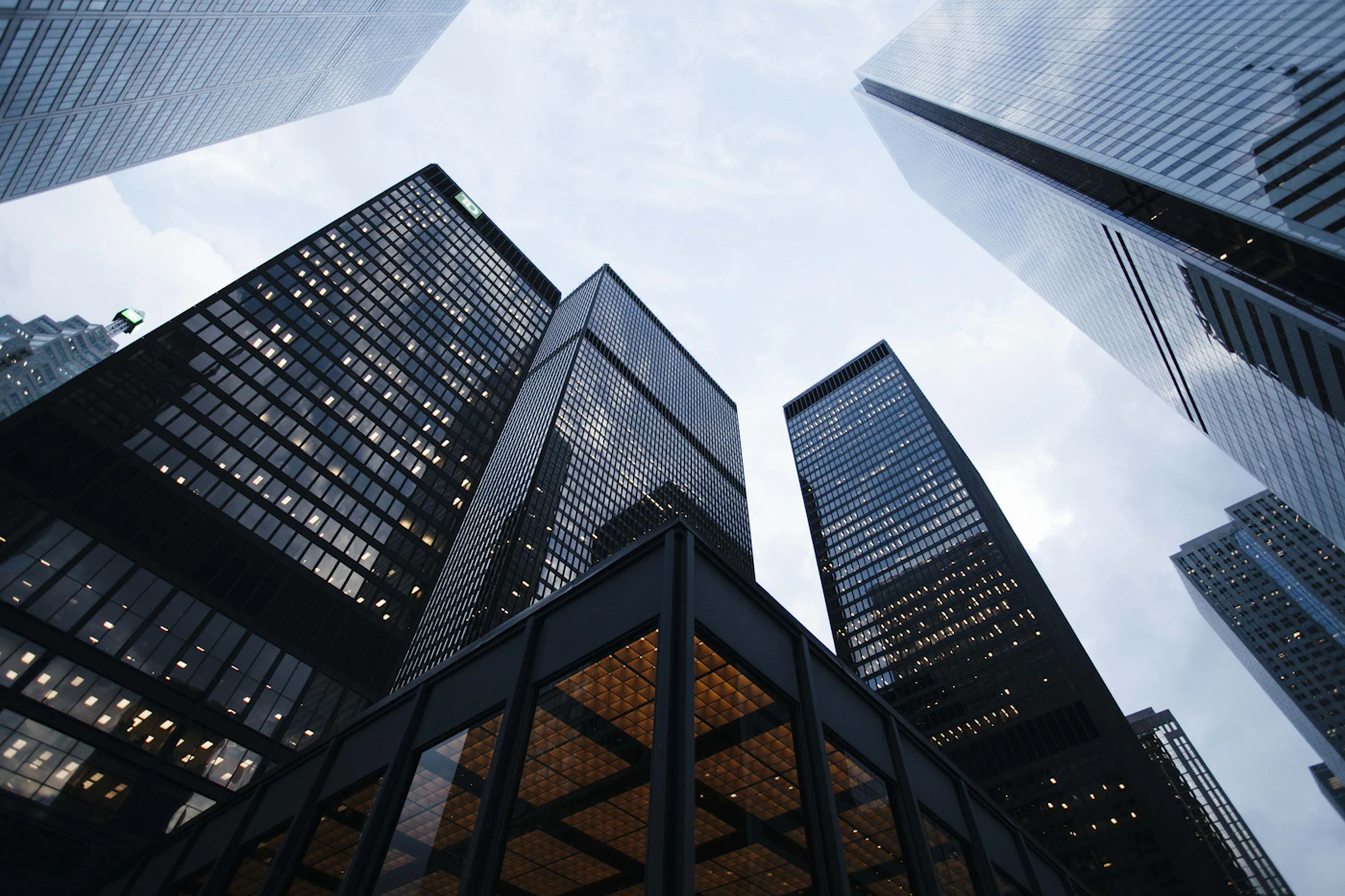
On the 38th floor of a newly topped-out tower at Marina View, leasing agent Clarissa Teo has a problem most landlords would envy: she is out of space. The building, delivered in March by a joint venture between a local developer and a Japanese trading house, signed its last available floor in early June, eleven weeks before anyone expected. The tenant, a Swiss private bank, paid a headline rent of S$15.20 per square foot a month, a level unheard of in the district two years ago.
Three blocks away, a 1990s tower on Cecil Street tells the opposite story. Roughly a third of its floors sit dark. Its owner, a Hong Kong family office, has cut asking rents twice since January and is now quietly exploring whether the building can be gutted and reclad, or sold to a hotel operator. The two buildings are a kilometre apart and a world apart, and together they explain why Singapore's office market is confusing nearly everyone who watches it.
Citywide vacancy edged up to 9.4 per cent in the second quarter, according to figures compiled by the brokerage Caldwell Pacific, the highest since the pandemic. Yet prime Grade-A rents in the central business district rose 3.1 per cent over the same period. The averages, analysts say, are hiding the real story.
A market splitting in two
What is happening in Singapore is what brokers call a flight to quality, and it has rarely been this stark. Tenants signing new leases in 2026 are overwhelmingly trading up: moving from older, lower-floor space into newer towers with better column spacing, stronger green credentials and floor plates that suit hybrid work. The buildings winning that competition can raise rents. The buildings losing it are discovering there is no floor under their prices.
Caldwell Pacific counts nine office assets in the core CBD where occupancy has fallen below 70 per cent, all of them built before 2005. Collectively they hold about 2.1 million square feet of space that the firm now classifies as structurally at risk, meaning unlikely to re-let at viable rents without major capital works. That is roughly the equivalent of three new towers standing empty, scattered across the older grid.
The split is also visible in capital values. A premium tower changing hands today fetches a yield near 3.4 per cent, reflecting investor confidence in its income. An ageing building of similar floor area, if it trades at all, is being priced closer to land value plus the cost of conversion, a gap that has quietly doubled since 2023.
Why the new towers win
Occupiers are unusually candid about what they want. A regional technology firm that consolidated three older leases into one new floor this spring told BriefAsia it was chasing two things above all: a building it could put in a sustainability report without an asterisk, and floor plates large enough that staff would actually come in. Its old space, carved across small Cecil Street floors, made hybrid scheduling a logistical headache.
Green certification has become a hard filter rather than a nice-to-have. Several multinational tenants now carry internal mandates to occupy only buildings rated to the highest local energy bands, a rule that silently disqualifies most of the city's pre-2010 stock. Landlords of those older towers face a brutal arithmetic: spend heavily on a retrofit that may still not win the certification, or accept that their building drifts down-market.
The averages tell you the market is soft. The leasing floor tells you it is the hottest it has ever been for the right twenty buildings. Both are true, and that is the whole problem, said Marcus Lim, head of Singapore research at Caldwell Pacific.
What it means for landlords
For the city's listed landlords, the divergence is reshaping strategy. REITs with portfolios concentrated in newer Marina Bay and Raffles Place towers have guided investors toward rental reversions of high single digits this year. Those still holding older suburban and fringe-CBD assets are talking instead about asset enhancement, the industry's gentle phrase for spending money to stop bleeding tenants.
The conversion route is gaining momentum. At least four ageing CBD towers are in active discussions to be turned into serviced apartments, hotels or, in one case, a vertical campus for a private university, according to two advisers involved in the talks. The economics are forbidding, with conversion costs running well above S$400 per square foot, but the alternative, a near-empty office tower generating no income, is worse.
Urban planners are watching with interest rather than alarm. A controlled thinning of obsolete office stock, some argue, is exactly what a maturing financial centre needs, provided the displaced floor area finds new life as homes or hotels in a land-scarce city rather than simply standing dark.
The next test
The pressure point arrives in 2027 and 2028, when a fresh wave of premium supply is due to complete. If those towers lease as fast as Marina View did, the flight to quality will accelerate and the older stock will face its reckoning sooner. If demand cools, even some newer buildings could feel the chill, and the comfortable narrative of an unstoppable prime market will be tested for the first time in this cycle.
For now, Teo is already fielding calls about a sister tower her firm will deliver next year. Three prospective tenants have asked about top-floor space that does not yet physically exist. A kilometre away, on Cecil Street, the lights stay off, and the family office in Hong Kong waits for a buyer who has not yet called.
